Category: jointposts

  • Leading Virtual Teams Revisited – with Martin Hawksey

    Leading Virtual Teams Revisited – with Martin Hawksey

    This week we are going back to the origins of Leading Virtual Teams! Join us, Maren Deepwell and Martin Hawksey, in this joint blog post and special podcast episode:

    Maren: Hi Martin! Been a while since we last blogged about leading virtual teams and hybrid working. So… I have lots of questions to get us started: tell us a bit about what your current work set up is like, and what you are particularly interested in when it comes to all things virtual/hybrid working. 

    Also, I am curious to hear how you think things have changed since the dark days of lockdown working. I have been doing some research into the data around home-working and evolving policies here in the UK (for example this 2023 report and the flexible working bill and this WIRED article provides a helpful insight into what’s not being tackled). What’s your take on the evolving picture of hybrid working?

    Martin: Hi Maren, thanks for having me back! For just over the last year I’ve been working for a UK based Google Partner. We have offices in Manchester, Edinburgh and Utrecht, but the focus is very much on remote working. Even in a post pandemic world I see many businesses still trying to find the right fit around hybrid culture. One of the key challenges I see is how to replicate the benefits of being co-located when employees are hundreds of miles apart. For now let’s put these benefits in the broad bucket of ‘watercooler moments’, ad-hoc opportunities for social interaction as well as work discussions. Seemingly effortless and tricky to measure the benefit. It’s something I remember us talking a lot about and I know you’ve shared a number of approaches and strategies which can help. Where I work a recent internal ‘pulse’ survey has highlighted a desire for increased opportunities to work collaboratively. The business is exploring various approaches, including one of the skeuomorphic virtual office spaces, Kumospace. This pilot highlighted there could be real benefits in restructuring the way teams work, a virtual focal point with awareness mechanisms like location, icons, and camera status making it easier to immediately speak to someone if they are available. The challenge was the price point. It was interesting to read the surveys you highlighted which include data on the overall economic benefit of hybrid working. Whilst we had many anecdotal examples of conversations that unblocked issues or identified business opportunities it is hard to put a value on them. The other challenge was there was low engagement across the business in the pilot space. So while we could see benefits for our team, but possible to justify for the business. Does this example resonate with what you’ve seen? Do you get a sense that organisations are still trying to work out how to make hybrid working work?

    Maren: It’s clear that businesses are still on a learning curve when it comes to hybrid working long-term. In the media, there is a lot of debate on whether or not there’ll be a big return to the office, but I think recruitment and retention without a flexible offering will be so challenging, that organisations won’t have a choice. There are a lot of parallels between the use of technology in education and training, and the use of technology in the workplace. Similar to how student expectations have shifted when it comes to digital, so have employee expectations, too. Organisations who don’t offer flexibility or effective hybrid working won’t be able to recruit or retain the diverse talent they need without entrenching structural inequalities further, for example disadvantage employees with care responsibilities. A few years ago we talked about the effort it takes to create and sustain employee engagement online, and your experience with the skeuomorphic virtual office space really chimes with me. Anecdotally it feels like ‘everyone’ wants more connection and collaboration, but at the same time they’d like that sense of connectedness to be maintained by others, so that they can dip in and out as they wish. Even something as simple as internal chat channels require a lot of effort to maintain. If you are using something like Slack or Mattermost to coordinate customer support tickets, then every support ticket becomes a reason to engage (and the value proposition is clear). However if you are in a water cooler or social space there is usually no external prompt to engage and someone usually has to take responsibility for kick-starting engagement by posting something. What are your thoughts on this?

    Martin: The term ‘effort’ resonates with me. Internally in our department we’ve switched to using an all day Google Meet with breakouts for individual teams. In a recent conversation with a colleague about using this space effectively we talked about how it takes effort to join the virtual office, similar to the effort it would take to get to a physical office. I would also agree it requires someone taking responsibility for the use of virtual spaces. I would go even further and say it requires leadership. Similar to having an office manager it needs someone to take responsibility for monitoring and supporting the online office. Something I remember us discussing previously was effort in terms of cognitive load. Part of this is the brain doing overtime trying to analyze micro movements in facial expressions. Looking towards the future I think this could get a lot easier with the next generation video conferencing hardware. I recently had the pleasure to have a short demonstration of Google’s Starline immersive conferencing solution. This combines technology that can scan a face in 3D, and present this to the viewer maintaining a depth of field without the need of special glasses or headsets. The result is incredibly impressive. It was only a brief experience so I can’t talk to the long term effects. Two things I did learn was that maintaining a realistic 1:1 scale was important, so it’s unlikely we’ll see this technology on smaller screens. The other detail was for this solution they are focusing on capturing and displaying detail in the face. For example, when the person on the call held up an apple there was a strong 3D effect, but I could see some fragmentation in the detail between the apple and the person’s fingers. Still lots of unknowns with this type of technology including whether it will ever be affordable for the masses, but interesting times!

    Maren: It’s really interesting to look out how technology might shape things in the future and what sort of skills and capabilities folk may need to develop to effectively deploy more advanced solutions. One thing I have been thinking about a lot recently, and also a topic I covered in the hybrid working course I ran recently, is increasing productivity whilst stepping away from the screen. There are a lot of reasons why we are glued to our screens, but the longer I work in a hybrid or fully remote setting the more I realise that I need to design my days to be a lot less desk based in order to be at my most productive. From getting more movement in and giving my eyes a break, to finding new ways to connect and communicate without staring at a screen I am interested in how we can mix things up a little more. 

    Listen to the full conversation in the podcast 🙂

    Enjoyed this post? Get my free monthly newsletter directly to your inbox.

  • Sharing our approach to leading a virtual team and surviving a pandemic – special podcast episode

    This is the last of the conversational blog posts (cross-posted here) between Martin Hawksey (@mhawksey) and Maren Deepwell (@marendeepwell) and an opportunity to reflect on the past year. Our ALT Staff team will continue to blog about the journey as a virtual team and we look forward to what 2021 holds in store for us. 

    But for now, we want to recognise Martin’s contribution as over the past three years, over dozens of posts and blog posts and 65,000 words (!!!), we have been using this approach to create some space to think together about leading a virtual team – and continuing to do so in ‘unprecedented times’.

    As many of our readers and listeners will already know, after many years of making a big impact as a senior member of staff, Martin will be leaving ALT in January 2021 to move onto new adventures as an intrepid edtech explorer.

    Whilst the staff and Trustees of ALT are making preparations to say thank you (contribute to Martin’s virtual leaving card (read: spreadsheet) via this Google form), it also means that, sadly, this series of monthly posts is coming to an end. 

    So this month we are recording a special podcast episode, a reflective conversation about working from home, leading a virtual team… the ups and the downs… our best tips and tricks and also some of the highlights we have written about together over the past three years.

    December 2020 – January 2021

    Maren: So, here we are, about to record our last podcast in this series, and there is SO MUCH I’d like to talk about. When we started writing these blog posts, I don’t think I ever imagined that we’d still be doing so three years and 65,000 words later! Quite apart from all the things I’ve learnt and discovered about leading a virtual team, our conversation itself has been a key part of my day to day work and of great value in itself. When we started blogging, just as ALT made its transition from having an office to operating as a distributed organisation, many people gave me funny looks. Not having a physical HQ seemed a bit suspect, I think, and now, in no small part due to the pandemic, it feels to me like everyone in our sector is working from home and not planning to return to their physical work places. Things have definitely changed and our posts reflect the journey we have been on with our team and our organisation. Thinking back to 2017/18, what tips and tricks do you wish we had known that we know now? 

    Martin: The end of 2017 and ALT’s new journey into becoming a distributed team seems a world away. Given one of my hats has always been technology it is interesting to think about what we implemented then and what we use now. Looking back to the solutions we implemented then and now not much has changed in terms of our offering. Whilst platforms and services have inevitably evolved in the interim the tech landscape remains very similar, what I would say has changed is how we as a team use our tools. For me it feels like there is greater maturity in the tools we use as in a better understanding of how things like shared documents, chat and video calls are used to support a distributed team. As an organisation I think we are also better at recognizing the required skills of homeworkers and incorporating this into both our recruitment process and team support. Given your role are there any standout things you would tell the 2017 version of yourself?  

    Maren: I guess to someone who is always several steps ahead when it comes to tech, it must feel like not much has changed 🙂 I agree with you that the way we use technology as a team has scaled up and developed very much over the past three years, both in terms of the skills and capacity individual staff have developed and also the enthusiasm for and familiarity with different platforms. 

    This time three years ago, the CEO in me was closely monitoring risk registers, just as I am doing now. The difference is that then the changes we were making were planned, strategic, intentional. Becoming a small, independent employer, moving to a virtual team, employing staff distributed across the UK. Just today, I said goodbye to the last piece of furniture I picked up from our office in Oxford this time three years ago. Goodbye, old office chair, hello, new home office chair. In hindsight, I would tell myself, hey, you are making all the right decisions (in 2017 not having an office seemed a lot less possible to many people). I would also tell myself that I was right to be cautious, as lots of things that aren’t a problem in the first 6 months can turn out to be a bit more difficult down the line. Also, working from home and caring for one’s own wellbeing takes more discipline than I had imagined. 

    Martin: In the beginning of this series I felt my focus was more on the practical, tangible problems, the ‘interfacing’ of a distributed team. I feel there is still an aspect of that but increasingly, and I think largely thanks to your perspective, I’ve come to have a better understanding of myself and how to support others who are working remotely. I can completely relate to the idea that wellbeing takes discipline and also how often there are very personal solutions like particular smells, sounds or light. I’ve also come to realise how important the process we have adopted, sharing our reflections in a conversational format, has been. When we started I could see how others could benefit from us sharing ALT’s transition to a distributed team, but I never anticipated it being such an important part in terms of creating an opportunity to regularly reflect and share how things were going. Have you had any unforeseen benefits of doing this series of posts?

    Maren: Absolutely! Quite aside from learning how a lot about working from home and being part of a virtual team, our collaboration has taught me much about the value of collaboration, particularly in a leadership role. Having a conversation rather than just my own perspective, has enriched my perspective on the work we do, and how we do it. It’s also enabled me to develop my skills in collaborative, conversation writing and over the past few years I have been able to expand the group of people I work and blog with, including for example writing a series of posts with my former coach, Margaret, and also writing with other colleagues in the staff team. It’s been a very rewarding experience for me and enjoyable to boot! Here is an open invitation to you to drop back in and share with us your new adventures – you will always be welcome as a special guest contributor 🙂 

    Martin: I’m looking forward to continuing to follow ALT’s journey through the ‘virtual teams’ posts. Also thank you for the opportunity to be part of this first chapter. Your gentle encouragement throughout this endeavour has been particularly welcome, especially having a stimulus to reflect and discuss progress when the pressures of delivering ALT’s strategic objectives has sometimes meant less time has been available. 

  • Virtual Teams – the final episode and… keeping blogging!

    What is it like to lead a virtual team? What are the high points? What are the challenges?

    For the past three years we have been chronicling our experiences in a series of monthly blog posts and podcasts and collecting them on our blogs.

    Martin will be leaving ALT in January 2021 to move onto new adventures and if you would like to contribute to Martin’s virtual leaving card (read: spreadsheet), please contribute them via this Google form .  We are also planning a farewell karaoke special for the end of January, so get ready to practice your #TunesForHawksey

    I am excited about our last podcast and looking forward to a conversation with Martin talking about working from home, virtual teams and what we learnt in the process 🙂

    I feel this is a great opportunity to reflect not only on our approach to leading virtual teams, but also the process of conversational blogging itself. Blogging about blogging 😉

    There is a lot of inspiration for blogging just now, things that I’d like to blog about such as… our awesome Sunday Specials on ds106 radio:

    And also catching up on a lot of conferences and conference chats that I have been able to take part in recently:

    and also about some of the exciting projects that I am currently involved in at work…

  • How we survived a pandemic: Part 6 – Wellbeing as a home-worker… where are you on the unicorns ‘?’ and pumpkins ‘?’ scale?

    This is a conversational blog post (cross-posted here) between Martin Hawksey (@mhawksey) and Maren Deepwell (@marendeepwell). We are using this approach to create some space to think together in ‘unprecedented times’. 

    In this month’s post we reflect on wellbeing as homeworkers, particularly under the pressures and strains of current times.  As part of this we look at ways individuals and teams can check-in on how they are doing using resources from the What Works Centre for Wellbeing and Mental Health First Aid (MHFA) England. We also discuss ways that we have used to find a better balance such as using the Digital Data Detox Kit and even removing ‘work’ from our phones.

    October 

    Maren: Two years (or what feels like a lifetime ago) we wrote a post on ‘the serious upsides of working in pyjamas’. I really enjoyed revisiting this post, in which we discuss some of the advantages of working from home and also reflect on different aspects of wellbeing as a home-worker. Since then, throughout this year, working from home has become a necessity rather than a choice for many. In our case, our choice to work from home has turned into working from home under very different circumstances. Recently, as I have gained a better idea of what the next 6 months will look like at work, I have started to make a concerted effort to reframe my own thinking, focusing on working from home as a positive choice again. For example, one of the things I mentioned two years ago is how liberating it was for me no longer to have to have a daily commute and this is a huge bonus for me still. I don’t miss the day to day train journeys for meetings. I know many people are discovering this just now and I love having time to do more exercise or meditation instead of leaving the house when it’s dark to catch a train to London. At this time of the year especially I find it a huge bonus that I can go outside (lockdown permitting) when there’s daylight most days. Something new for us this year is that we have made a much bigger effort to build wellbeing activities into our routine operations. Last month’s post shared examples and one of my favourite is inventing new scales to describe how we are. We already talked about this two years ago, but now that I can convey my wellbeing in unicorns and pumpkin scales, I feel we have stepped up our game. Looking back, is there anything that really resonates with you?

    Martin: I find myself revisiting that “as winter draws in these are curtailed and I find myself already trying to mentally prepare myself for the long grey winter days” with the extra dimension of doing this with COVID-19 being a factor. Recently working on the ALT Annual Survey questions I was looking at the ‘Workplace wellbeing question bank’ published by the What Works Centre for Wellbeing. The question bank “is a collection of validated questions, which have been developed and used by various organisations to measure different aspects of wellbeing” and “includes questions that cover all relevant aspects of wellbeing derived from existing frameworks of wellbeing and work”. As part of this there are some validated questions from other sources including the 5-item World Health Organization Index (WHO-5), which is described as “a reliable and valid instrument to capture mental health problems such as depression and anxiety”

    If folks would like to play along at home in the last 2 weeks indicate the closest you’ve been feeling for the following statements where 0 = At no time, 1 = Some of the time,  2 = Less than half of the time, 3 = More than half of the time, 4 = Most of the time,  5 = All of the time  

    012345Don’t know
    I have felt cheerful and in good spirits
    I have felt calm and relaxed
    I have felt active and vigorous
    I woke up feeling fresh and rested
    My daily life has been filled with things that interest me

    If you add up your score for each statement “a value of 0 represents the least healthy mental state and high risk of depression. A value of 25 represents the healthiest possible psychological state”. Adding up my ‘?’ on this I’m 13, which isn’t as bad as I expected. I don’t expect you to share your score Maren, but any thoughts on the WHO-5?

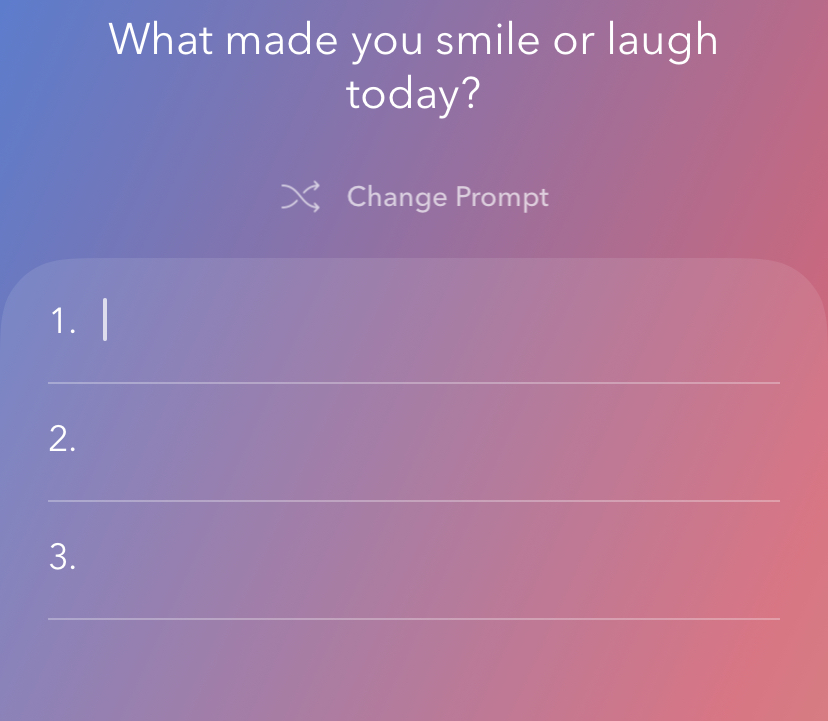
    Maren: Oh, that is useful. I tried out the question for myself and this week’s score is 18, after a day of rest yesterday, which probably has a lot to do with it. I recently explored a popular mindfulness app called Calm, which I find helpful. It includes daily check-ins with yourself, letting you choose emoji to indicate how you are and also includes prompts to reflect on things, such as “What inspired you today?”, Where in your surroundings have you felt calm recently?” and “What made you smile or laugh today?”. 

    I find tools like these really helpful and for many years I have kept both a professional and a personal journal as part of my self care routine. That said, times like these call for more active measures in my case, and I find the app makes it easier for me to engage – easier than sitting down and looking at a blank page may be. I came across the Mental Health First Aider programmes, such as this https://mhfaengland.org/organisations/workplace/, and I found this an interesting idea. Whilst we have staff trained in First Aid, we haven’t previously considered this kind of programme. As an employer, we have offered support for individuals throughout the year, and I was inspired by this offering. Particularly during the current crisis, and as it extends over many months, I feel it’s very useful to refresh my own knowledge about and approach to how to talk about mental health and wellbeing in a work context. Has this year changed your perspective? 

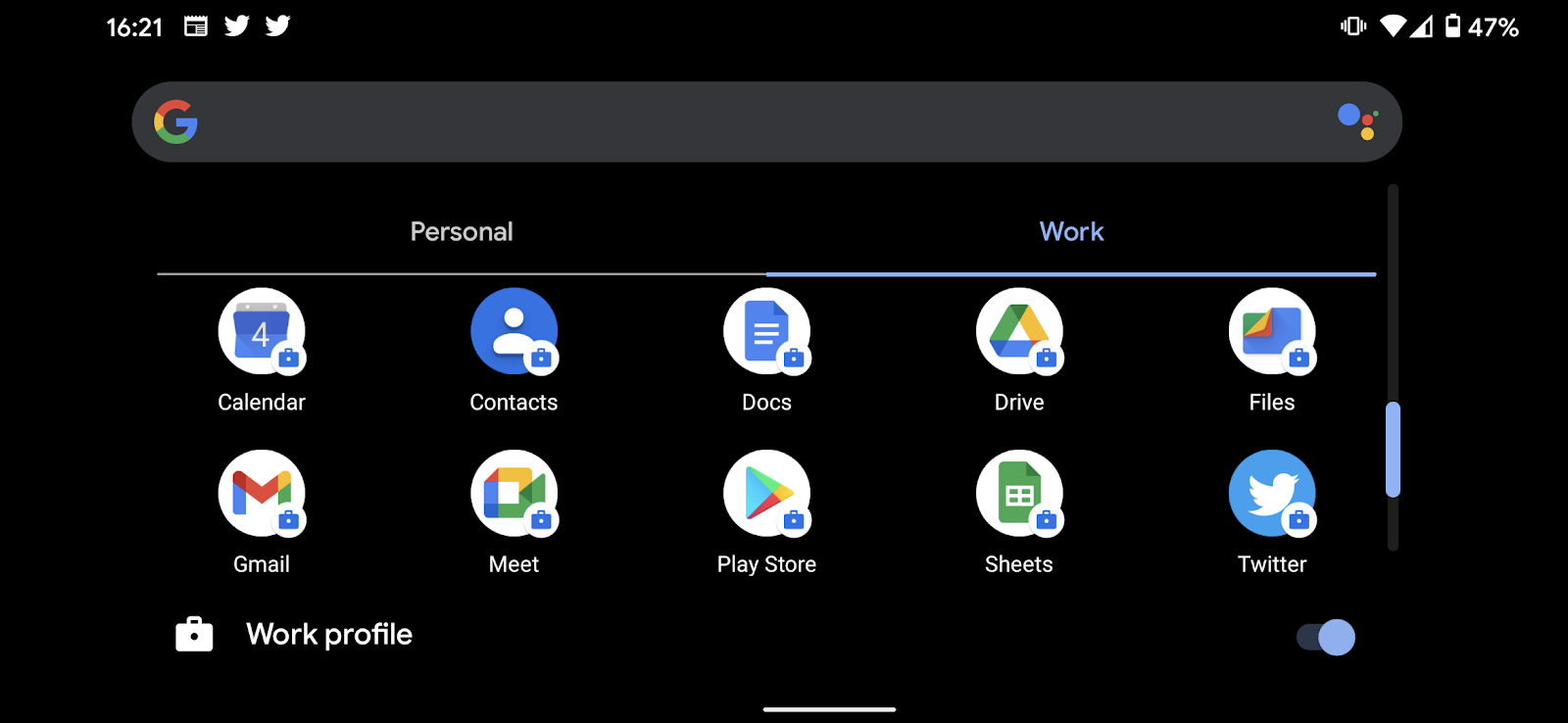
    Martin: I’m not sure if the year has changed my work perspective that much but I’m perhaps more aware of making sure when permitted I get out for some air. Your link to Mental Health First Aid (MHFA) England sent me down a bit of a rabbit hole reading their community blog contributions. As mentioned recommendations like “getting outside each day even if it’s to stand on your doorstep or back garden if you can. If not, have a window open just to allow in some fresh air” [ref] really resonates with me. In another MHFA post they highlight the importance of providing space for teams to unplug and recharge, using screen breaks and annual leave to relax and recuperate. I’m relatively good at screen breaks, but I’m sure as many are finding personal life is somewhat both upside down and inside out right now. Something that has helped in this area is when setting up my new phone I separated my personal and work accounts. This means at a toggle of a switch I can completely turn off all work related notifications including all of our organisations social media accounts. This proved very effective during my last annual leave break allowing me to completely drop off the work grid.  

    Maren: That sounds like an excellent approach. I have been doing a similar clean up, inspired by the Digital Data Detox Kit, and I have moved some apps off my phone altogether, so that platforms like Twitter and LinkedIn, which I primarily use for work, are now on my browser only. I was expecting to miss the apps, but as it happens, that wasn’t really the case. Most of my social interactions nowadays are happening in messaging apps in any case. Despite my phone taking a step back from work-related social media, I probably value my peers and networks more now than ever before. For inspiration, support and knowledge sharing, I am more dependent on my online activities and I find them very rewarding. It’s about balance for me – just as you suggest in what you have written – to find ways to be connected in a way that has a positive impact on my professional and personal life. 

    If you have any of your own wellbeing tips and resources please feel free to share them with us. 

  • How we survived a pandemic: Part 5 – Virtual team meeting ice breakers from the ALT Staff Team

    This is a conversational blog post (cross-posted here) between Martin Hawksey (@mhawksey) and Maren Deepwell (@marendeepwell). We are using this approach to create some space to think together in ‘unprecedented times’. 

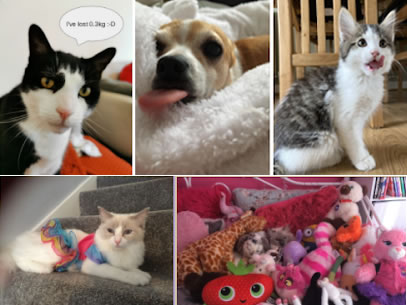
    This month’s post is a bit different from the usual, as we celebrate a team effort of inventing ice breakers for our weekly team meetings, which take place for an hour every Wednesday morning. We’ve got everything from “share your four-legged friends” to “lockdown recipe swap” to “pandemic playlist” to “humble brag” to “Pictionary Jam” and more.

    Thank you to our colleagues Jane, Fiona, Debbie and Emma-Jane, for giving us permission to share these ideas in the post for this month.  

    September!

    Maren: Since the start of July we have been rotating chairing our weekly team meetings. We have a shared document that we use as an agenda and each week we ask someone to volunteer to chair next week’s meeting. I have been delighted by how much everyone has contributed to our weekly meetings, bringing their own personality and style to the proceedings and I feel this new way of chairing the meetings has been an excellent addition to the way we work. One of the things we have started doing is ice-breaker activities to start the meeting, and I look forward to them each week. In this post, we are going to share examples of these starting with animal corner: For this activity we were asked to “share your four-legged friends here if you have one, or any animal that makes you smile!” . Another favourite of mine was to ask everyone: “What has been your favourite recipe discovered during lockdown?” through which is discovered Freezer Vegan Breakfast Burritos and Ottolenghi – Feta and oregano fries! 

    Martin: Rotating the chairing has been a lot of fun, particularly seeing how others bring their personality to proceedings. My favourite activity has to be “Musical Mayhem” where we shared a link to “whatever song or piece of music that makes you feel alive !”. This ended up with a very eclectic mix of songs and also gave a sense of what made our team tick, covering tracks from the Bee Gees to N-trance. As well as pets, food and music the ice breakers are also nice ways to catch up with how everyone is generally doing. As the second wave of the pandemic comes crashing down on us, whilst increased measures don’t impact my homelife as much as they do for others, the knowledge that while I rarely have friends over to see us, knowing that currently we can’t feels a little suffocating. Making the start of team meetings more variable I think has ultimately created some very rich and fun social engagement. Have you got any other favourite ice-breakers and what do you think the impact has been?

    Maren: It’s been interesting to see how little tech is needed for a very effective activity. In many cases a verbal prompt or question such as sharing box set or movie recommendations or finding out which Hogwarts House you belong to (our team includes someone from every house…) has stimulated rich conversations for everyone in the team. One aspect of our shared activities, comparing plans for an upcoming Bank Holiday weekend in August, for example, is that we learn more about each other’s local contexts. That might be a simple thing like sharing what the weather is like or indeed whether there is a local lockdown where we live or something a bit more personal, like what the kids are up to, which parent is having a birthday and what treats someone is planning on baking. I found out about a new kind of pizza oven as well as learning more about how two of our colleagues who are doing PhD are getting on with that. Each weekly activity has helped us combat cabin fever and the fact that we all miss each other. Since we become a virtual team in 2018 this is the longest period any of us have had without seeing someone they work with every day and that is a big deal! Talking of big deals… you provided a prompt for a team meeting in August that sparked some really great conversations – do you remember? 

    Martin: Ah yes the “Humble Brag” activity where I invited our team to share “a thought or memory that you go to for virtual air punches?”. There were a very interesting range of responses to this, which like “Hogwarts House” stimulated some nice conversations. Afterwards I did however feel that this was also a bit of a tricky activity as it perhaps forced people to reflect back on a time when the world was in a very different state, particularly given examples included things like flights and organised running events. Perhaps reminiscing isn’t such a bad thing … I don’t know, thoughts? Whilst tech hasn’t been the focus of these activities where it has been used has been a lot of fun. One of more recent activities was “Pictionary Jam” where we had a round of pictionary each drawing on a Jamboard (an interactive whiteboard app available in G Suite). I’ve only used Jamboard a couple of times in the past so the activity was also a fun bit of CPD to learn about this tool together. Plenty of other whiteboard tools for others to try this out and if a Pictionary game isn’t handy there is a website for that at http://wordrawapp.com/online_generator.html. With our colleagues showing off such great chairship and ability to find fun and interesting activities I feel increased pressure when it is my turn to find something for the start of our meetings … or is that just me?  

    Maren: For me it’s the other way round. I hadn’t realised how much work and thought I had to put in chairing the meeting week in week out and now I feel less pressure as we are jointly working on making each meeting work. I also think everyone is gaining more insight into why it’s important to prepare and actively take part. It’s up to us as a team to make our team meetings work and I have been delighted by the result of rotating who leads the meeting. I hope that it will help everyone realise how much each individual is achieving as well as how much progress we are making as a team, and that is especially important just now, with things being so uncertain. As you say, it’s not always a wholly positive thing to compare the here and now to previous experiences, and this new way of running team meetings feels like a positive addition to this year instead of being a slightly less fun version of a face to face meeting we may have had before. But now that the pressure is on… and I think it’s your turn to chair next week’s meeting… what have you got in mind to wow everyone 😉

    Martin: Well for our weekly family video calls (pre-covid they were voice only) lately we’ve been having a quiz. As part of this the winner is quizmaster the following week. As I aced the Scottish trivia quiz last week it’s my turn to come up with the questions. I’m feeling a little reuse coming on, my call with my parents being an opportunity to test drive a set of questions for the team. Whilst our team icebreakers have also been mostly low tech inspired by our ‘Pictionary Jam’ I thought it would be nice to try out one of our partner organisation tools, particularly if it is something we want to use at the ALT Online Winter Conference. To that end having looked at the Vevox quiz tool and the recent leaderboard feature I think it might be interesting to dip back into the competitive streak within our team … what can go wrong.

  • How we survived a pandemic: Part 4 – Virtual pizza nights and other distributed team social activities

    How we survived a pandemic: Part 4 – Virtual pizza nights and other distributed team social activities

    This is a conversational blog post (cross-posted here) between Martin Hawksey (@mhawksey) and Maren Deepwell (@marendeepwell). We are using this approach to create some space to think together in ‘unprecedented times’. 

    For regular readers this is a slight departure from our regular ‘Virtual Teams’ posts (you can read those on our Virtual Teams summary page) taking a broader view of work whilst midst global pandemic. 

    In this month’s post we share our reflections on socialising when you are a distributed team. We share our experiences of our first virtual pre-conference pizza night and look at some other social activities that remote teams might like to explore to maintain some sanity in the middle of a pandemic. 

    August… 

    Maren: August has always been a super busy and exciting month at ALT as we, normally, gear up for our Annual Conference. This year, we have been gearing up for our first ever fully virtual summit and I have been enjoying the mounting excitement both in our team and in our community. I have been amazed how many people are able to engage with the event despite how much they have going on both at work and at home. Pretty much everyone in Learning Technology is overworked, exhausted and coping with the challenges of living through a global pandemic. It’s been particularly special to see hundreds of participants from 22 countries signing up, making time and joining in. In our staff team, too, we have been finding ways to preparing for a large virtual event and its delivery from home, with most of us still home-based with more family than usual and very much still in various levels of lockdowns. I have blogged about my thoughts ahead of the event, that I miss meeting colleagues in person, but also some of the lighter upsides such as more shoetweet possibilities and no conference chicken. You normally travel with suitcases filled with laptops, cables and other tech… how has your summit run up been?

    Martin: Most of my preparation for the Summit has been similar to our other face-to-face conferences. Our event websites have always had a social aspect to them but we have looked at enhancing this with some extras. As my main role at face-to-face conferences is online delivery the project plan for the Summit was very familiar. The biggest change is probably swapping what equipment I can transport to what I have to hand and for the Summit mission control this meant I could benefit from lots of additional screen space. 

    ALT has a long history of delivering online only events and the ALT Winter Conference has been held entirely virtual every year since 2015. One of the challenges of online events, similar to remote teams, is creating those social networking opportunities. We’ve used the ‘virtual cafe’ model in all our online events, using a video conference space for participants to drop into. This model in itself has been improved over the years and now we provide a dedicated meeter and greeter to make sure there is always a friendly face. For our last couple of events Jim Groom and Co. and Reclaim Hosting have hosted virtual karaoke nights for us. These are always fun, but I was also struck by how the Summit karaoke night was also an opportunity for those informal conversations you often get at face-to-face events and because the live stream was still going there is a recording of that moment captured in Jim’s KaraOERoke Post-Mortem. I have to confess I’ve mixed feelings about there being a recording and deliberately not played it back to hear the dumb things I might have said, but a clear example of the network effect. I’m interested if there was anything at the Summit that gave you a sense of social connections?   

    Maren: I found the event really good for connecting with people, many of whom I haven’t been in touch with for months and also newcomers to ALT. I started blogging before the event, and that in itself sparked a lot of DM and Twitter conversations. I am fortunate that part of my job is to be at all the plenary sessions and welcome speakers, so I got a lot of conversations with wonderful speakers that way as well. Often I have been in touch with someone via email or calls for months before actually meeting them on the day, so that definitely helps. I also did a fair bit of #shoetweeting and that also sparked a lot of fun and connections, on a lighter tone than just summit chat. My favourite element of the conference social programme is hard to pick, but given my… er…. Reluctance when it comes to KaraOERke, I think it’s either the quiz or the online radio shows. Both really enabled me to play long or listen along with others, and in many cases meet new people either within the dedicated space or on Twitter. Within our team, we have a lot of backchannel chat during events and this year we even had a virtual pizza night via our watercooler chat and I loved that. Running this virtual event felt more like a shared experience for us a team this time round. Fortunately, the pizza wasn’t virtual! I think we have really grown into a collaborative team for online events over the past 2 years. What are your thoughts on this? 

    Martin: I really enjoyed turning one of our face-to-face team traditions into a ‘virtual pizza night’. Using text chat also felt less intrusive, meaning I could juggle personal commitments with engaging with the team. It was also nice to have this whilst one of the Summit social activities, ALT Members Radio, was going on as there was an opportunity to share a moment together and also enjoy some banging tunes. I feel these moments, along with some of our more informal team activities like remote birthday afternoon tea, are useful ways to support remote team health and wellbeing. I’m left wondering if and how other teams deal with this. Doing a quick search of tips and suggestions I’m struggling to find examples of things the ALT team doesn’t already do and it’s interesting to see the number of times some of the activities we do like ‘written feedback by post’, informal chat channels, virtual coffee breaks are referenced elsewhere. Like all guidance I think the key is not what the ‘experts’ tell you to do, but how these ideas are implemented. Personally this is where I think ALT and you as our CEO have been particularly good at navigating the line between formal and informal, not making people feel pressured into doing something they feel encroaches on their personal space or would make them feel uncomfortable. I’m interested to hear if there are any suggested remote team activities you’ve come across and thought ‘we are definitely not doing that’?

    Maren: You mean besides karaoke!? In my experience even the most basic activities can quickly become exclusive, eg activities that require you to have a shared cultural background or general knowledge, access to outside space, particularly foods or treats (dietary preferences are a big factor). I came across an activity as part of the unbounded (link) resources for online community building that involved telling a story related to one’s name and I immediately thought.. oh gosh, I wouldn’t know one! Meanwhile, in the past couple of months we have started to share responsibilities for chairing our weekly team meetings and I have been delighted with how much things have changed for the better as a consequence. Every member of staff takes turns. I especially like that everyone has invented team activities to start the day with… and each one, from animal corner to sharing recipes, and from sharing humble brags to movie recommendations has been successful and fun.  It’s been nice to see different personalities shape the tone of our meetings. It has also saved me a huge amount of time and effort most weeks, and given everyone more practical insight into what goes into chairing a successful meeting. A lot of folk have been socialising online more than I have this year and one thing I haven’t tried online is cocktails or a pub night. I don’t think our team is a party team, but at big events we have gone out together. I am not sure how I’d feel about that, but no doubt I’ll find out soon enough – how about you? 

    Martin: Outside of work I’ve been to a virtual social get together with old colleagues which we did instead of a traditional face-to-face meetup at the Edinburgh Festival. Not the same experience but it did mean one of our colleagues who moved to the US was able to join. With a smaller team with very diverse interests harder to find something we would all be interested in doing. Reading How Ars Technica’s tech-savvy staffers conduct happy hours in locked-down 2020 it was interesting to see the range of online social activities that are available including everything from poker, RPG to virtual ‘rec rooms’. It was the later Rec Room, which particularly caught my eye, “a free-to-play social-space app that includes a series of structured and free-form multiplayer games and activities”. Perhaps for the next ALT team social activity we could go bowling, play some table tennis or do a bit of paintballing 😉