This week is Open Education Week and I am super excited to join in the fun, celebrating all things open in education. If you want to catch me live, I am joining a whole host of special guests on air hosted by the one and only Alan Levine on Wednesday:
P.S. It was a lot of fun to join Alan online, and here is a screenshot of a moment that made me smile: all of us talking about online, digital, AI and so forth, surrounded by books.
Open practice is central to all the work I do and for the past ten years my interest in and commitment to open has only increased. So it’s been a special pleasure to take part in a series of conversations in the run up to this week:
Building Community with guest Martin Hawksey!, Reclaim TV, 9th February 2024 was the first of these. I was lucky to join my Reclaim colleagues Amanda and Taylor and our special guest Martin Hawksey, who for me is both a friend and long-term collaborator. Community building is really at the heart of open practice for me, and we chatted about how to engage with people, how to reach new communities and networks, the impact of the pandemic and the changes in the social media landscape. Martin has more experience in this space than most, having built, curated and supported communities from the local to the global scale over the past fifteen years or more. There is little he isn’t expert in when it comes to making technology serve communities, and in this session he shares some of his reflections as well as tips 🙂
Building on that conversation, Reclaim & OER #4Ever, with Meredith Huffman, Reclaim TV, 16 February 2024 took the community building one step further as we previewed a talk we are planning for OER24. The theme of the talk is putting community together with capabilities and CPD, sharing approaches for gaining skills and expertise in open educational technology. Plus, we share a lot of fun memories of what we got up to at open education conferences over the years.. (friendly warning: shoe tweets are mentioned in this episode). I love how Meredith explains how building on hosting and infrastructure the community piece can help empower staff to have a better relationship with tools and technology which benefits not only the institution, but students as well. I can’t wait for OER24!
For me the conversation that brought all the elements together was Using Open Source tools as key infrastructure, with Anne-Marie Scott, Reclaim TV, 1 March 2024. This is the one where we talk big picture, global policy and institutional change. I love listening to Anne-Marie share her rich, reflective perspective and admire her ability to explain even the most complex dynamic in open source and open tech with such clarity, that you always leave inspired and empowered in equal measure.
And to add another piece of blogging goodness, I have shared a bit more over on the Reclaim blog.
Don’t want to miss what I am up to? Get a free, monthly summary to your inbox:
Here is a snap-shot of today, 5 months into re-inventing Mondays:
This morning, a Monday morning, I woke up around half six. I got up, we had tea and the dogs had their breakfast. Around 8am I headed out with the dogs and for a change it wasn’t raining. We did a 5km route, down the river and back again. Not many people were out, but we said hello to the runners and cyclists we passed. Got back at quarter past nine, and shortly afterwards I was on the treadmill, for my first full 30 min run in a long time.
I got to my desk with coffee around half ten, after a shower and some household bits. Posey lay next to me, napping happily after her walk. We had some admin to tackle for a few hours, and got a lot of things sorted.
After lunch and a break, I spent the afternoon working on a project and reports, then I had an hour’s session with a fellow coach in the US, some more emails and… that was the end of my very peaceful Monday.
Not everyday is like today, and I am glad that there is both more excitement and more interaction with colleagues on a regular basis. Despite enjoying a slower day and the opportunity to spend more time outside or exercising, I wouldn’t like this level of quietude on its own. As part of a mix of days however, it is just what I was hoping for when I started this new phase of my career.
At the end of this month I’ll be hitting the six months milestone and there are a whole host of things that I have learnt along the way. Bills have been paid, projects have been completed, certificates have been gained and time has passed. I needed time to move on, to help me change my mindset from where I was last summer, and as we move into a new season I notice how much things have shifted for me. I have processed and reflected on how I got to where I am, and now I am on the cusp of writing a new chapter.
With spring and summer on the horizon, the new path I am taking is starting to feel a little less unfamiliar and there are some things that I am beginning to have longer term hopes for. Projects and people I am getting attached to, and organisations I particularly enjoy working with.
I am also discovering a less lonely way of working in a number of contexts. In my role as a CEO I often felt isolated and lonely. At the start when I first became a CEO, I found being everyone’s boss hard to get comfortable with and being in charge of decisions meant that plenty of people wanted my ear to convince me of their perspective. Representing a membership body was a huge privilege, and yet for me it also brought with it a lot of scrutiny from a range of stakeholders. It sometimes felt a bit like having lots of Line Managers and never being able to please them all.
Even when you have a lot of great people to collaborate with (and I often did!), there are plenty of worries and tasks that ultimately stay with you when you run an organisation and the buck stops with you. This is particularly true of a small one, in which you don’t have a big senior team or many directors to delegate to or consult with.
Moving to my current role, I no longer have that sense of being isolated. At the moment, I have a few projects where collaboration is happening, where partnerships are starting to form, and I am enjoying it immensely. Writing things together, figuring out solutions to problems, creating or organising activities and events… it’s refreshing for me not to always be in charge and instead have opportunities to collaborate on an equal footing, or indeed report to a client. It’s nice not to feel solely responsible for everything all of the time. It’s more than nice. It’s a huge relief.
Unsurprisingly, in the last few months, I have also found that when I need to step up and take responsibility, I have relished it. In my executive role I developed skills and capabilities that come in very useful indeed when a decision has to be taken or a crisis managed. I wasn’t quite sure whether dipping back into that aspect of leadership would feel like a burden, but it hasn’t. It’s felt interesting to see possibilities for taking on leadership responsibilities in a new way, different from how I would have operated in my previous organisation.
This is a really good example of why I wanted to have a change. This opportunity to reinvent myself a bit, to learn about myself and what I enjoy doing in new contexts, with new people and new organisations, feels so valuable. Fifteen years in one organisation meant that I grew up as a professional in only one context and I couldn’t think myself out of that perspective. Now that I have a change of scene, things look different indeed.
In these posts I have written frequently about uncertainty, and how the precariousness of starting over on a free-lance basis worries me at times. And despite the fact that these past few months have gone very well, that worry continues and it surfaces in unexpected ways. What I am learning as the months progress (and what for me sits on the other side of the uncertainty equation), is that the stories I tell myself, the habits I can’t break and the ones I don’t manage to make stick are not related to any particular role, but they come with me. Both good and bad.
This is where the collaboration + community angle comes in again. People around me, colleagues I am working with, are helping me to be accountable to take those breaks, to not work or think about work 24/7, and to get better at sharing how I am doing and what I am interested in. And so, I am re-discovering, reclaiming, the joy of what I am good at, what I can make happen and what I love doing.
Keen to keep in touch with what I am doing? Subscribe to my free monthly newsletter:
[newsletter_form type=”minimal”]
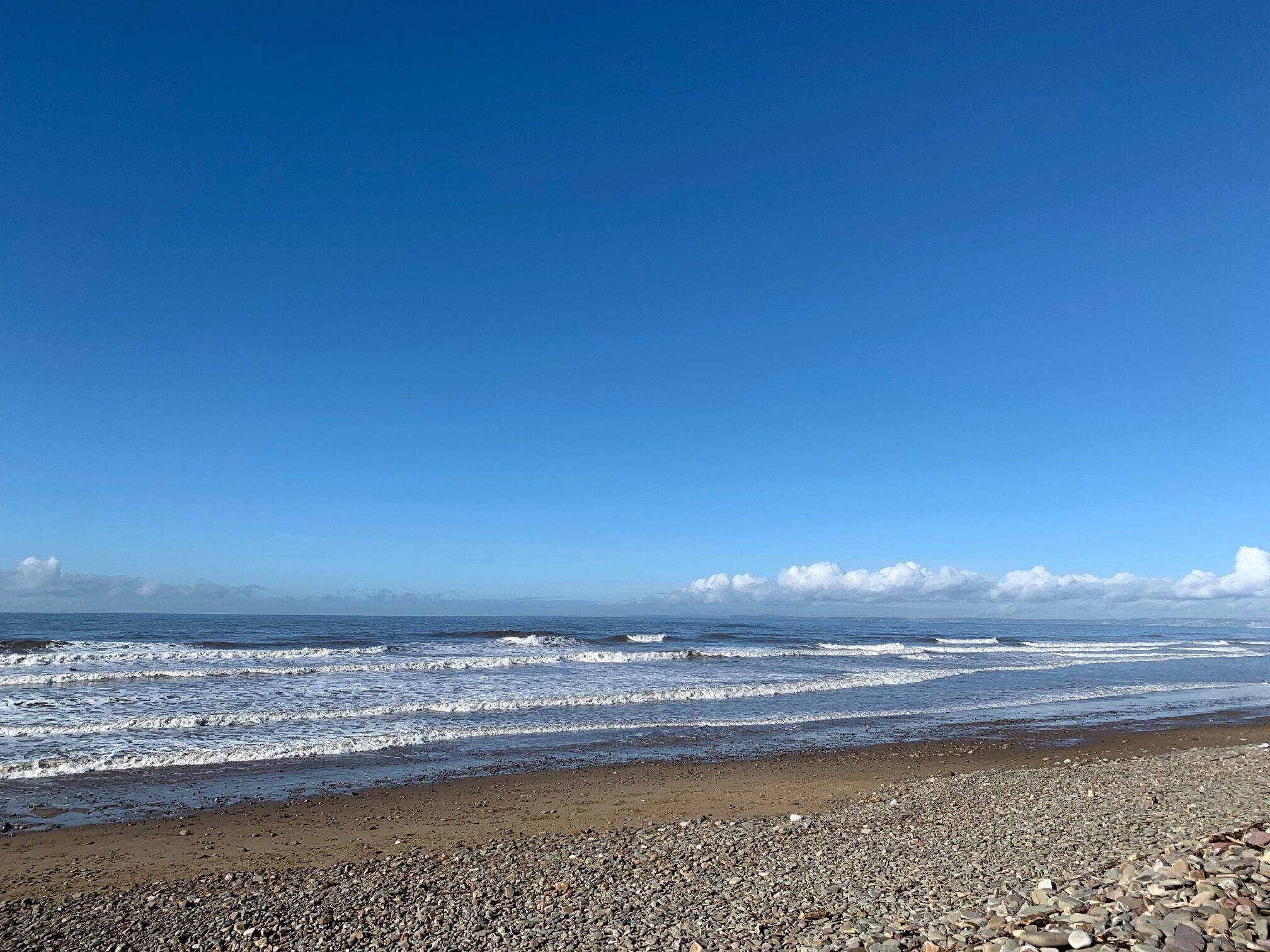
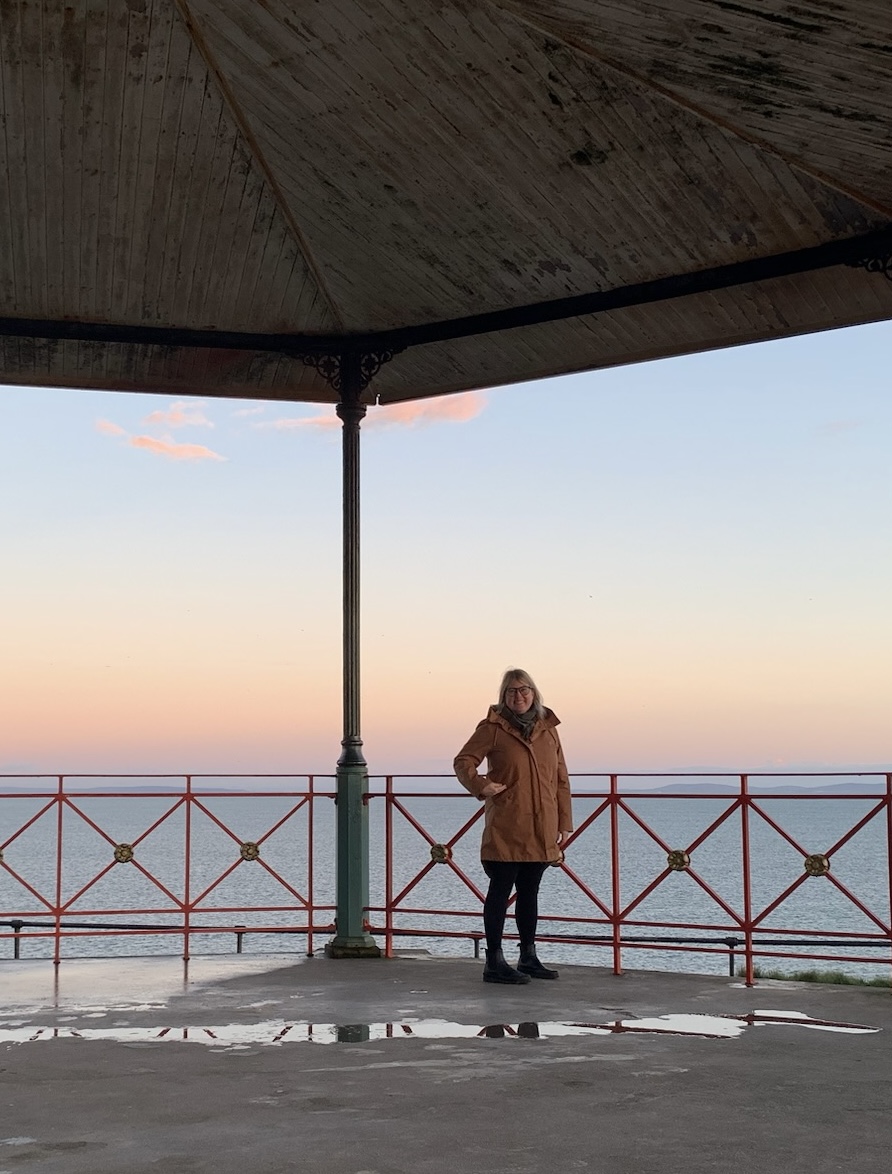
Image credit: CC-BY Maren Deepwell. Sker Beach on the only blue sky day since early January.
In a month today, I’ll be at the OER Conference in Cork, and I am really looking forward to it! I am huge fan of this event, and encourage you to have a look at the programme and register if you haven’t yet done so and are planning to come.
This year I am co-presenting two short sessions, starting with Reclaiming #Edtech4life in Open Education which is a joint venture with Meredith (Fierro) Huffman and Jim Groom. Here’s what we are planning to speak about:
How do you make innovation work when the day job as an (edtech) educator gets ever busier? Where do you find not only solutions to practical problems but someone who speaks your language? When your day job is largely edtech focused and your focus is in practice, not policy or research, it can be challenging to find communities of practice that advocate for open – open in the sense of software and licensing, but also open in the sense that the community is welcoming, open to new ideas, and open to change.
Over the past 10 years our organisation has built a growing community of practice on the back of our day to day business activities. Yes, we are a small commercial company, but we bring a lot of expertise of working in Higher Ed to the table and we walk the walk of open education.
In this presentation we’ll share practical approaches inspired by communities like Equity Unbound and the ALT Open Education Special Interest Group to connect with educators and edtechs from across the US and internationally sharing practice via community chats, micro courses, live streams and radio shows. We’ll share lessons learnt from running a hub for professional development every day of the year, a place in which open educators can engage in anything from trouble-shooting wordpress installations to tinkering with next generation tools. We offer a safe space to explore with peers, to play, to fail and make new connections along the way.
Last week Meredith and I did a community stream all about our prep for the conference as well as sharing lots of the love we have for the event, memories from previous years and giving a bit of a preview of what we hope to speak about.
You can watch the recording below, and join us on the road to OER24! See you there 🙂
Enjoyed this post? Subscribe to my free monthly newsletter:
I made a fun discovery today: It’s now been over ten years since I started this list of things I have done. Wow! I had no idea it had been that long, and seeing those entries from 2013 made me pause and reflect on the habit of keeping the list, a decade in the making.
Why did I start tracking progress in this way?
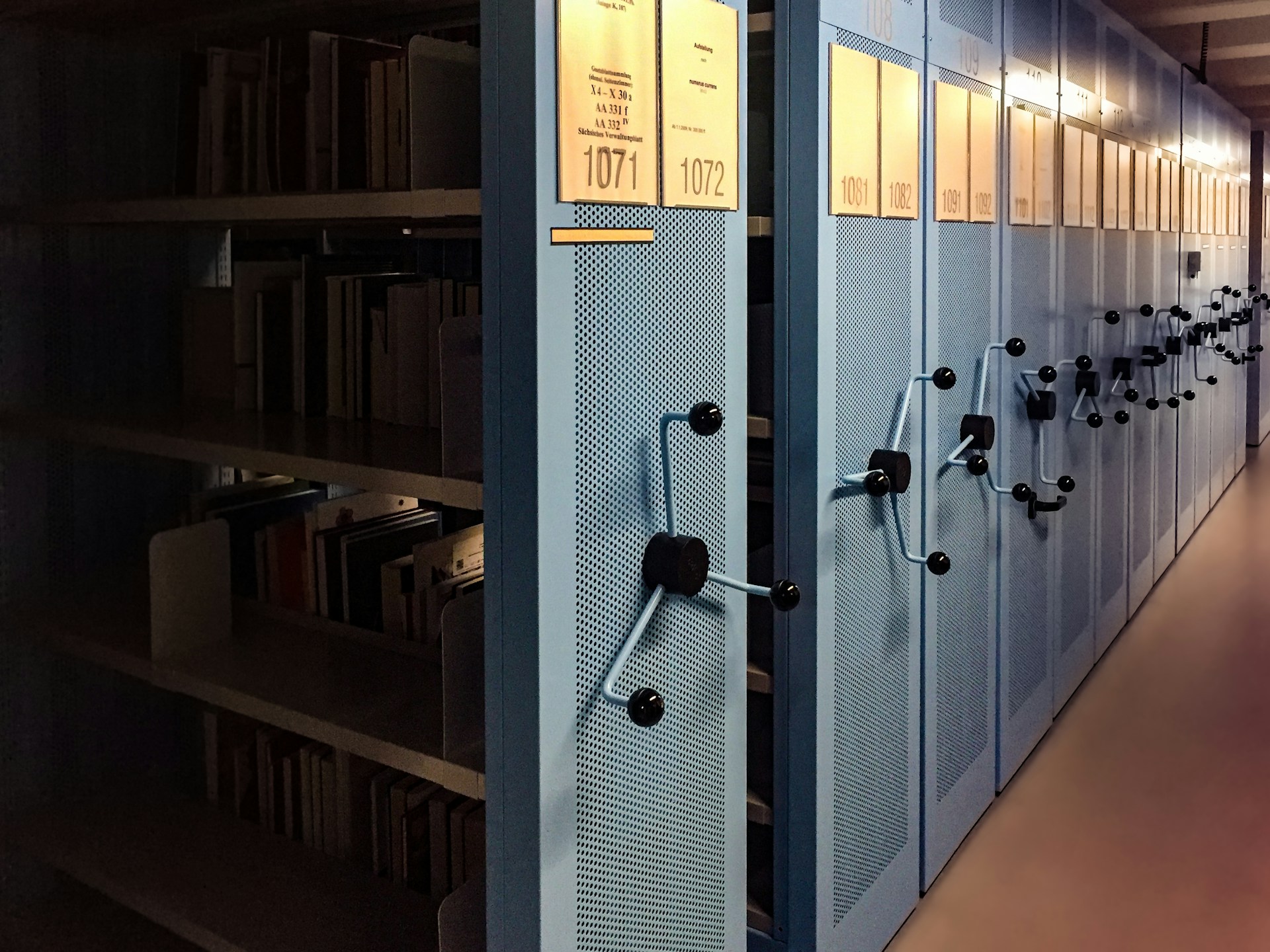
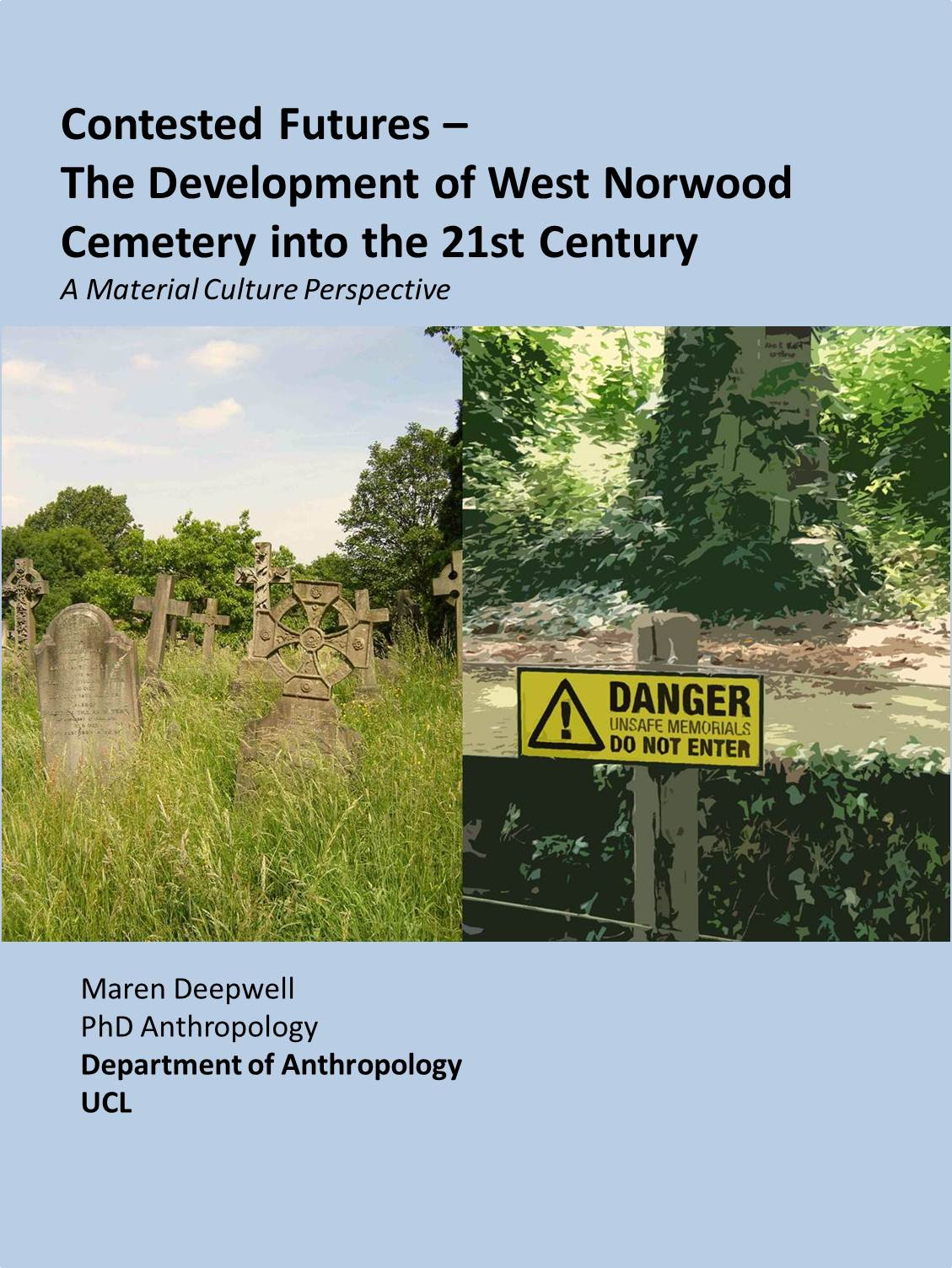
My archive page is a lot like a personal vault. If you scroll all the way to the bottom of the page you’ll see that at the start I added some entries a bit like you would on a CV. I added dates of degrees I completed and images of things like my doctoral thesis from 2008:
Initially, I added these things as I was moving blogs, and I didn’t want to loose track of what I was up to. I was just in the finishing years of my graduate studies, and started working full-time and I had no real idea of what was going to happen next.
For a while, in the first few years of working at ALT, I didn’t really keep a record of anything until I started blogging publicly again in 2010 on WordPress, rather than my old Google Blogger sites. But then from 2013 onwards I started keeping a running list of projects I completed, conference papers, media stuff and so on.
Looking back to 2013, this entry makes me smile: June: Radio 4, Today Programme . Not particularly helpful for anyone other than myself, but it does bring back the morning I spent nervously sitting next to a very intimidating John Humphreys in the BBC radio studios in London. Similarly, in 2014 I went to the European Parliament in Brussels… noted in a similarly cryptic entry, but equally memorable for me. And although the 2015 link to an appearance on Parliament TV still works, many of the older links have rotted.
As we progress through the years the list of things I recorded each year becomes both longer and more comprehensive, particularly as I started to add links to blog posts on my own domain that contain a lot more information about a specific event or project. 2020’s entry is a bit shorter, but it looks remarkably ‘normal’ given everything that happened that year.
What do I use it for?
So, how is this useful?
Well, the practice of making the list and adding new entries to it is useful to me in itself. I could probably use a tool to compile this kind of information for me, but there’s great value for me in the act of processing what I have done and reflecting on it as I make the list.
For example, adding new items to the 2024 section of the list earlier today made me realise just how busy a year I have had so far, and we are only three weeks into it:
Workshop: Leading Hybrid Teams. Senior Leadership Team Away Day, University of Edinburgh, January 2024;
Article: Are you returning to the office, five days a week? Exploring the future of hybrid working. Learning Magazine, January 2024
So on a regular basis, as I publish something or a new project gets scheduled or completed, I will update the list, add links and date each entry. Wherever possible I try to capture what I am doing in a blog post as I add it to the list, so that I don’t have to rely on external websites to retain the information.
Then, on a monthly basis as I compile my newsletter, I refer back to the list, and cross-check what else I may want to mention. This is super helpful for me and makes compiling the newsletter pretty easy.
I also use the list as an archive in case someone asks me what talks I have recently given or what papers I have published on a particular topic and I make use of it for reviewing my progress or performance.
It’s a kind of super power when it comes to things like annual appraisals or planning career development. It doesn’t take me long to answer the questions like ‘What have you done in the past year ?’ or make a list of articles I have published. That is magnified if I want to write end of year reviews or reflections.
It’s important to me to keep learning and developing and over the years keeping this archive up to date has become a natural process of my workflow, just as blogging or journalling have become part of my practice.
Tips for starting your own archive
If you are keen to start your own list, get started with literally anything. You could add a workshop you have run or an event you attended, or even books you’ve read. You could add projects you have been involved with or led, or papers you have published.
The key is not to worry whether something is worthy of being included, and to simply include everything. I find once you start making a list of everything, things quickly amount to more than expected.
Over time, as you practice keeping the list, the satisfaction of adding to it will become a good motivator for keeping going but initially it can be difficult to find the courage to get started.
You might prefer to keep your list private, which is completely fine. The reason I have mine on my blog is that I am comfortable working here and I use my blog every few days. It’s a convenient place for me to refer back to or to send people to, but I don’t think the page that shows my archive gets a lot of visitors.
For me however it is priceless, and it reminds me when I have low days how much I have achieved over the years. Maybe your list will do the same for you.
One consideration for me is that I want to do what I can to keep the data safe. That is why I don’t rely on a platform like LinkedIn to keep this information. In an ideal world I might update the information somewhere like that, a network where folk who consider working with me might more easily get an idea of what I have accomplished. However, although that would be useful, I don’t trust that the information will still be there in 10 years or that it won’t suddenly get reformatted or repurposed as platforms change. Thus, I keep it here on my own domain first and foremost, and I update everywhere else when I feel it’s necessary.
So, good luck if you are just getting started and kudos to you if you are already on your way to keeping that precious list of everything you’ve done.
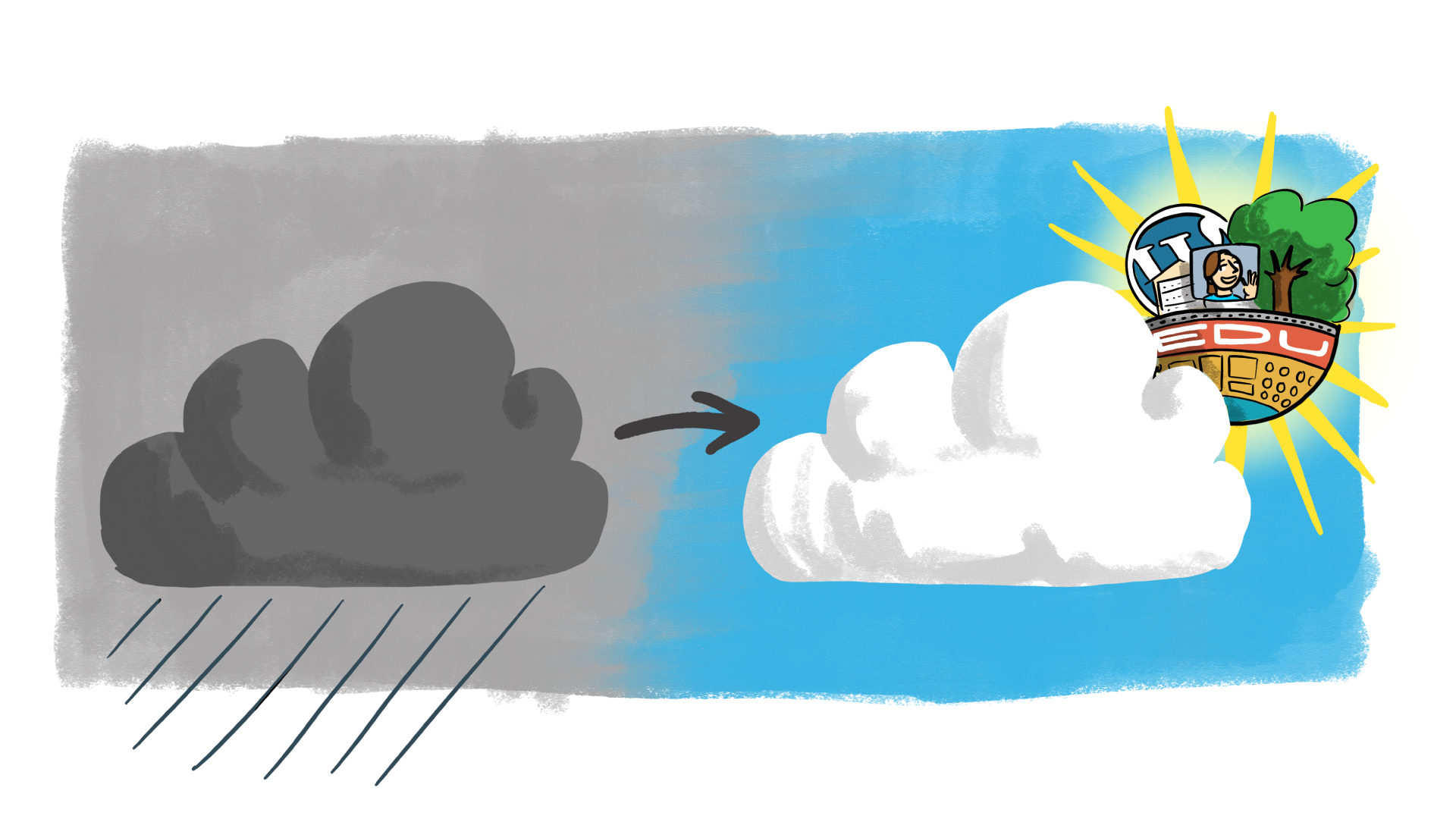
The recent launch of ReclaimEDU has got me blogging… always a good sign.
Now, working with the team at Reclaim has many perks, one of which was to learn more about this new offering before it was even launched. Jim talked us through it in the way only he can, and although I am learning more about the technology that makes this all possible what really did grab my attention immediately was the artwork.
I love the work Bryan has created with Reclaim Hosting for nearly ten years now and this ReclaimEDU launch is a great example of why it is so powerful. You don’t really need the words to get the idea. ReclaimEDU feels like a long way down the road from the origins of Hippie Hosting more than a decade ago… but many things remain constant. And one of those is that it continues to be is meticulously informal. That’s the bit I am particularly interested in.
Meticulous informality is a phrase that Martin Weller coined in 2019, in relation to the ALT Annual Conference. In the years since, and as our professional relationship turned into a personal one, we have often come back to the concept in our conversations and found it helpful in describing something we both value about a certain way of working, particularly since a lot of our interactions are happening online nowadays.
So what does it mean to be meticulously informal, and why do I think it matters? Let me try to explain what it means to me:
In the context of event planning, for example, I would describe it as a result of planning ahead so well that on the day you can lean back and enjoy it, knowing that you have most eventualities covered and can deal with any impromptu things that come up. It also means treating the individuals whom you work with not as generic actors in the event (the keynote, a panel speaker) but take into account their context: someone coming from far away who’s not been in the country before, someone who’s never given a keynote before, someone who’s nervous… and so on. It’s also about being present. Walking the walk. And that takes a lot of emotional energy.
I’ve been lucky enough to be at some events that really encapsulated that balance perfectly (yes, I am looking at you, wonderful OER Conference) and yet events aren’t the only place where meticulous informality matters.
When it comes to hybrid working, it really makes a difference, and it’s not something you can fake. When it comes to meticulous informality, people can tell whether you are going through the motions or truly making an effort. Effort is the operative word here as a meticulously informal workplace takes a lot of it. It’s no accident that one of the flex courses Reclaim’s Edtech team ran was all about hybrid working. I came on board to work on this course because we were interested in exploring all the different ways in which we can foster those interactions and habits that create a sense of meticulous informality in a team.
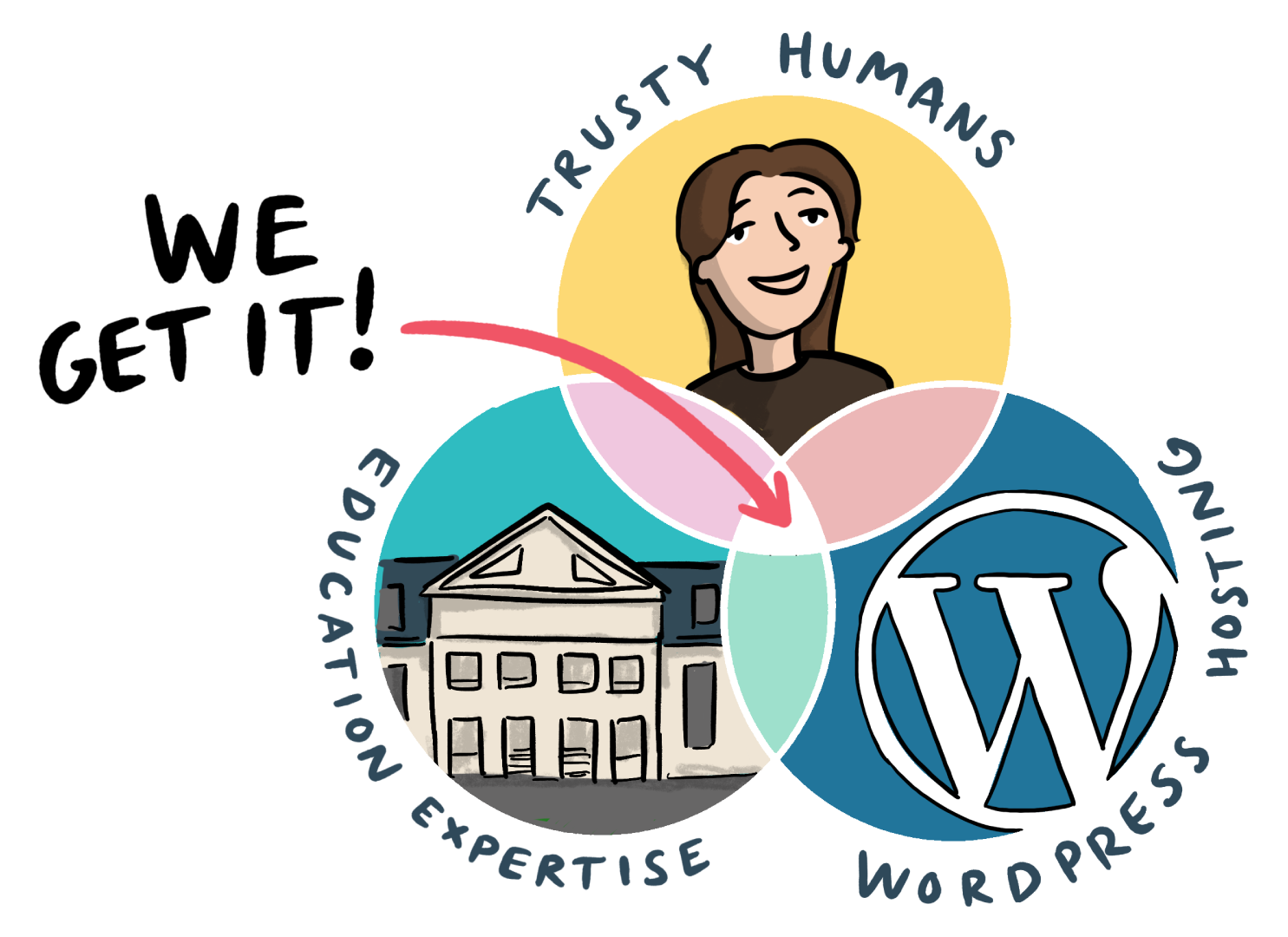
Which brings us back to Reclaim Hosting itself, where this kind of thing is not only valued but also shaping force that is reflected in everything the company does. After all, how many hosting companies do you know who get their team to sit around a drawing pad with Bryan Mathers as a first step to launching a new service (a service, incidentally, that as far as I can tell is needed because clients want to put more and more high level sites onto infrastructure they trust working with people who get it – people who are meticulously informal not only when they answer support tickets or chat about blogging on Discord, but also when it comes to designing new flagship services).
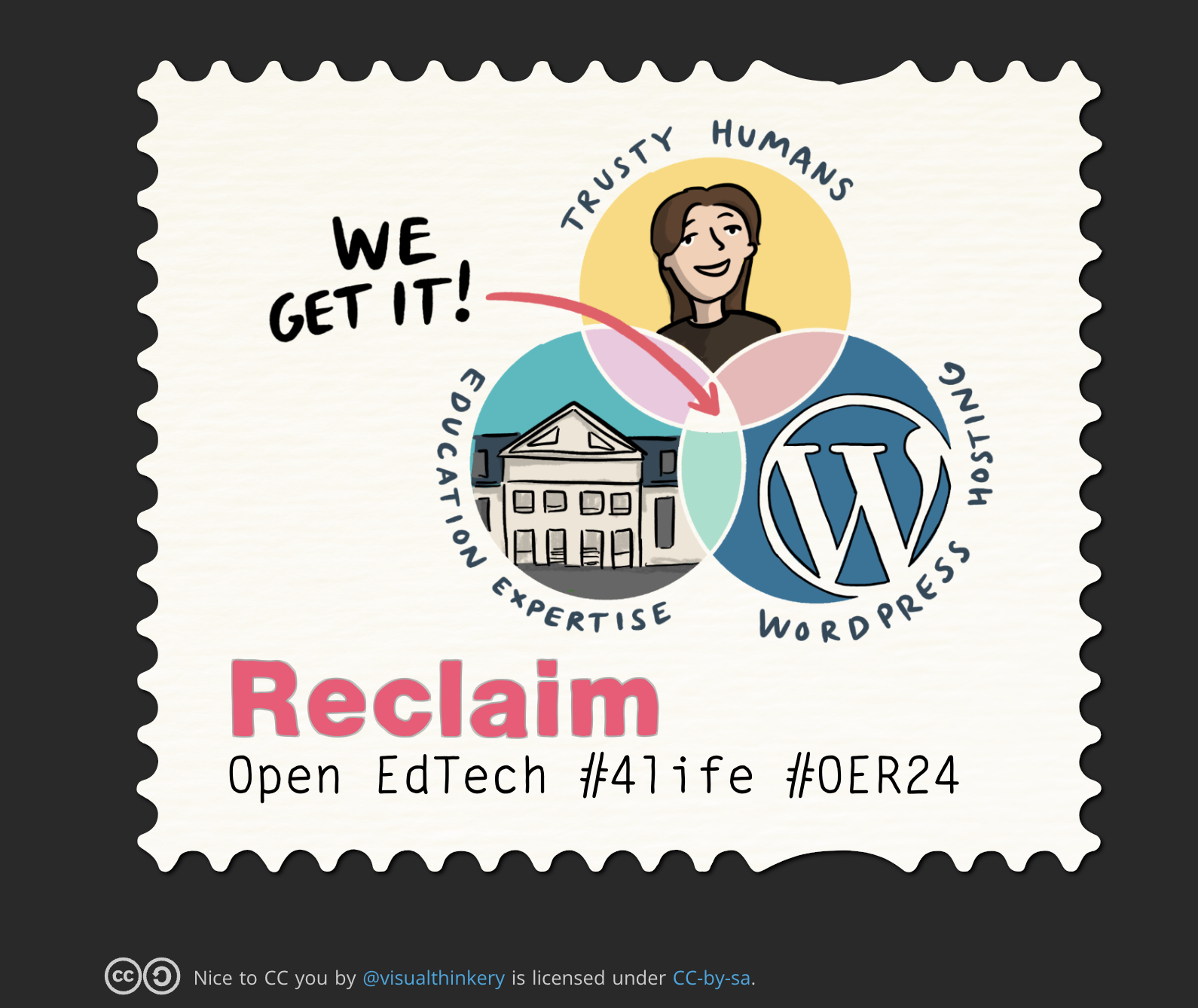
Incidentally, Visual Thinkery, where the process is in many ways more important than the eventual (amazing!) output, is another example of meticulous informality at work. What makes it work in both cases is a mixture of incredibly hard work (and a good measure of genius), as well as that all important understanding of why the informal bit matters. When I saw the ‘We get it!’ image above that Bryan created with the team, I immediately thought ‘Yes! They do get it!’. Yes, they are really good at what they do and they work very, very hard to constantly improve the infrastructure and support, and they also treat you like a human being, they care, they get it. (And, as an afterthought, they are human beings, too, which nowadays probably isn’t a given when it comes to supporting you with your hosting.)
It matters to me that I get to work with people who share that sense of what I think of as meticulous informality. It matters because I am more than a metric. Being more than a metric, more than a data point was the focus of my keynote for the ETUG Conference in Kamloops, Canada, in 2019 and it’s been a theme I have come back to again and again since. I see meticulous informality as a way to create that all important space needed to relate to each other as human beings, be that at events or at work or hosting your domain, and not give in to technologically determined transactional behaviours.
It’s January, it’s early and I’m feeling inspired. Time to reflect on my career transition three months in.
As I type this I have to pause frequently as it’s morning and each dog needs their cuddles. We’re arranged all together on the sofa, so I alternate the hand with which I type. The dogs are an important part of my life, and this new chapter. They are the best work life balance motivation and constant companions for this home worker.
Back to business.
I’ve read two books recently that have inspired me to think about this period of transition in new ways. First, Working Identity: Unconventional Strategies for Reinventing Your Career by Herminia Ibarra and now Chasing the Sun by Linda Geddes.
I loved Working Identity and learnt a lot from it. The things that resonated most with me: the importance of making a transition through practice, the reflective prompts included in the book and the overall affirmation that transitions need time and it’s important to give yourself permission to need time and to allow yourself some grace while you go through it.
This last one is particularly important to me just now, as I often get asked what I am doing, if it was worth it leaving my previous employment and if I have my next chapter figured out. My answers to those questions are: not quite sure; definitely and no, not at all. I am in fact trying out a number of things, and I don’t know the shape of things and it feels like a huge win. In a practical way I make enough money to pay my bills, I work 4-5 days a week and I do worry about precariousness but this transition is living up to and exceeding my expectations. It feels scary in the best way.
The reflective prompts in the book are a really useful starting point for taking stock and I especially like the way they are phrased. My favourite ones at the moment are:
Moments of increased clarity about what you no longer want in your career?
Physical symptoms that clarify pros and cons of options you are considering?
Saying no to something you know is the wrong choice.
What these prompts help me understand is that I can’t plan or think my way through this period and onto the next chapter. Instead I need to give myself time and opportunities for practice. It reminds me a lot of my years in art school. I found art works in the same way. It’s a process, a practice that can turn ideas into reality. It feels good to have a narrative to share when you leave a long term job, and over time you re-tell the story again and again and each time it changes a little until you have new narrative that makes sense in the new context.
This emphasis on practice links nicely to the things I have made more time for in recent months: yoga; meditation, walking the dogs, being outside. The being outside bit is what prompted me to read the other book, Chasing the Sun.
Reading a book about the sun in the darkest time of year is no coincidence. I am seeking inspiration. And in this book I feel like I found plenty. It’s been useful to learn more about the science of sunlight, its importance to health and well-being, particularly mental health. There is a lot of research into the link between sunlight and depression and SAD that I found interesting. Getting outside during daylight hours already felt important to me before reading the book, but I had no idea how many different aspects of my life and my body could be impacted by it. Thankfully dog walks make it necessary for me to spend at least an hour outside each day and I average around 4-5 miles of movement a day. I even found that my watch can now estimate the time in daylight I spent each day. Not sure its figures are particularly accurate, but it’s an interesting idea.
Overall, my efforts to improve my mental health are definitely paying off. It’s anxiety rather than depression that’s been an acute struggle for me in the past, and even though this had already improved in recent years, in the past three months things have really changed for the better. What was once a constant noise in my life has receded into the background and only alerts me occasionally not to ignore my feelings. All the things I am doing, and more importantly how I am doing them, work together to make a shift in the right direction. Result!
Finally, I sat down in early January to review my plans and strategy. Here is what I found: My business plan for 2023 had four goals, relating to generating income, establishing a working business, and to find and enjoy a better work life balance. I managed to hit all the major goals, with only one timeline shifting a bit beyond my plans, which I am very happy with. The plan for 2024 has a few more goals, but also less detail. At least for now.
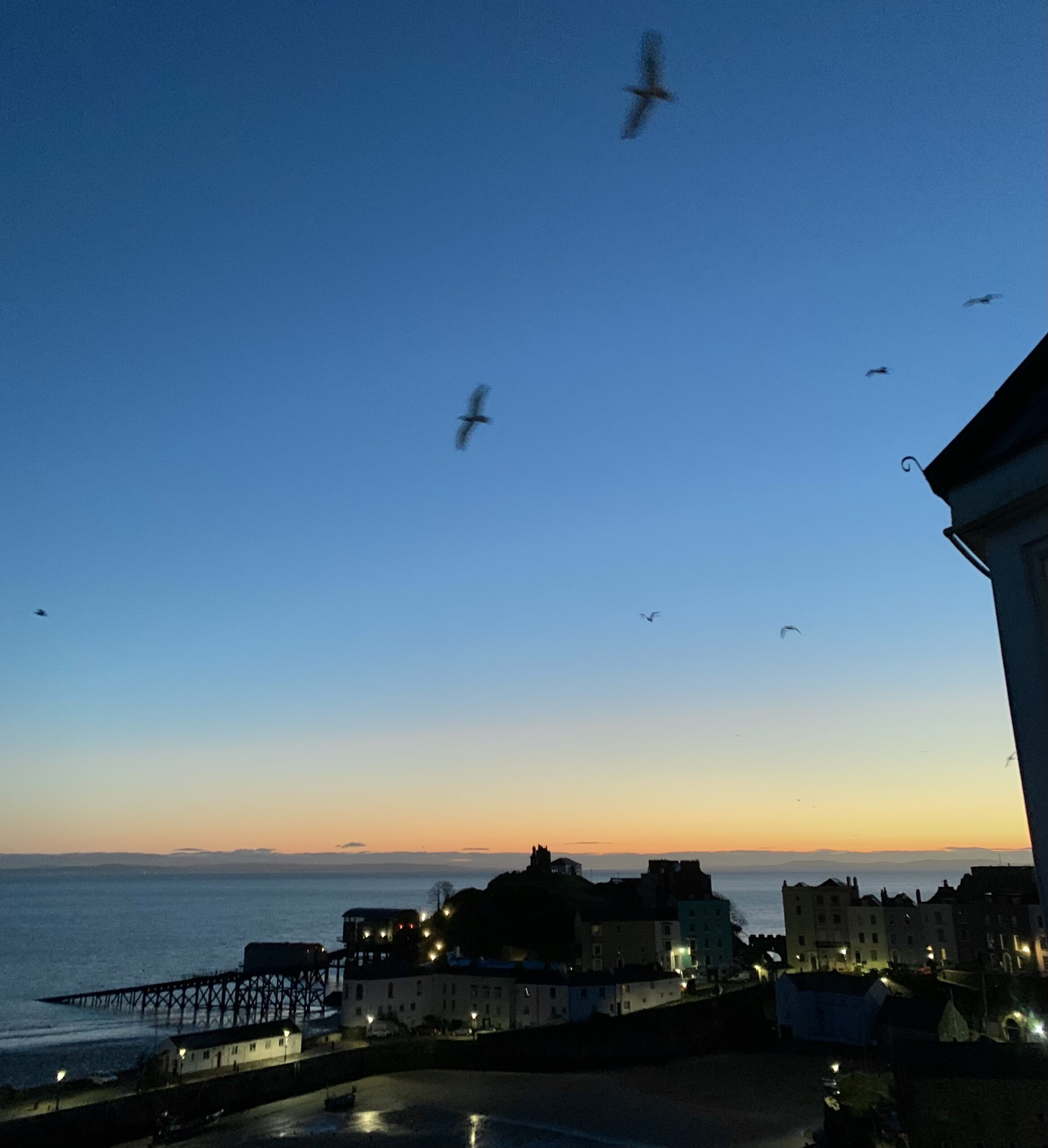
Life has started to take on a new rhythm. While each week or month looks different from the last and there are a lot of new things to learn, my days have started to take on a more uniform feel, with more calm and more outdoor time and exercise. Here’s to seeing more sunrises in 2024.
Liked this post? Subscribe to my free monthly newsletter: