When I first started coach training, I set myself the goal to offer walking sessions for my clients. My thinking is that pretty much all of my favourite coaching and mentoring conversations happened when walking, either outdoors or pacing up and down in my office.
I like moving whilst thinking, and I like talking and walking… . I take walking meetings, and walking catch ups, so walking whilst coaching feels like a natural extension of that. As a bonus, it means even virtual coaching can move away from the screen, at least some of the time, enabling everyone to spend less time sitting, staring at their reflection on Zoom.
My first formal mentor, Margaret, and I had incredible conversations whilst clocking up the miles in the parks in and around Oxford or sometimes also Sheffield, and I often felt elated when I came back from one of our rare days having unlocked a knotty problem. Plans were made, visions shaped and things shifted as we walked and talked.
However, when I first started formally coaching clients two in 2021, I realised pretty quickly that I needed to gain a lot more practice with the mechanics of the work of a coach, from building rapport to keeping the session on track, before I could hold space effectively on the move. Video calls offer me the chance to listen deeply to my clients, to focus on them fully, rather than be distracted by things around me… and it didn’t want to jeopardise the quality of the coaching in favour of heading outside too soon.
This summer then is my first season of offering walk’n’coach sessions as part of my formal offering, starting with my established clients (with whom I already have built a rapport and a sense of trust). Usually, this would be coaching via a phone call, or, geography permitting, we might also meet in person.
I am really looking forward to exploring this mode of coaching, and starting to plan and prepare for offering these sessions from May onwards.
If you’d like to learn more, listen to the podcast episode about walking and coaching:
Subscribe to my newsletter and never miss out on a blog post again đ
When I was a research student I came across David Abram’s The Spell of the Sensuous: Perception and Language in a More-than-Human World, an ecological philosophy book. At the time, I was deeply interested in phenomenology, and as part of my research in Anthropology I was learning much about how human beings relate to and experience the world. Specifically how we relate to the world through our senses as embodied beings.
From the articles and blog posts on his website, it looks like David Abram’s thinking has evolved much since then, and he is now a visiting Senior Visiting Scholar in Ecology and Natural Philosophy at Harvard University. Lots of fascinting things to dig into if you’re interested in these topics. Meanwhile my interest in this topic has also evolved, from thinking about human beings and the material world and landscape to human beings in the workplace, specifically in the increasingly hybrid workplace.
Which brings me to considering what happens to our senses when we work in a hybrid or fully remote setting for long periods. How does our embodied experience of work change as we spend more time in front of screens, alone in our studies or on kitchen chairs? And also, how does our perception of work shift as our senses of sight, smell, touch, taste and hearing adjust to hybrid working?
I am curious to start exploring some aspects of this and how our embodied experience of hybrid working may influence of sense of wellbeing.
Sight
The sense I read the most about in the context of hybrid working, digital wellness and technology is sight. Given the amount of time spent in front of screens, scrolling, staring and not blinking, implementing screen time limits or wearing blue-light-blocking glasses to alleviate eyestrain is becoming more common. Mobile phones now offer a different light mode closer to bedtime and monitor screen time in order to alert us when levels increase, and smart watches can remind you to move a little every hour. Other tips include taking a break from the screen, going outside to adjust to daylight, look into the distance or look at something green/natural to help your eyes relax and recover. The traditional 5-10 minutes of screen breaks every hour is part of every Display Screen Equipment safety training I have come across.
Hybrid working typically provides fewer distractions and more reliance on online interaction for communication and collaboration, making it less likely that regular screen breaks are taken. Even when we step away from the screen, notifications and messages on mobile devices usually stay switched on, making it more likely that we end up with more screen time.
Hybrid working has also led to more hybrid and online meetings. Depending on the role you work in, you probably find meeting free hours have become more rare and back-to-back video calls more common. Zoom fatigue impact us beyond our sense of sight alone, this article in Medial News Today summarises how “headaches, migraines, eye irritation and pain, blurred and double vision, excessive tearing and blinking are the most common and immediately visible physical symptoms of Zoom fatigue”.
This week, how many times have you taken a 5-10 minute break every hour? For me, I would estimate I take a short break for each hour less than half of the time. On busy days maybe 10-20% of the time, but generally somewhere around 30-40% of the time.
Healthy habit: step away from the screen
If you are looking to improve your digital wellness by taking more regular screen breaks, here are some tips to get started:
What is your starting point? To begin with, reflect on how regularly you step away from the screen for a short break at the moment. If you are spending 8 hours a day in back-to-back video calls, then even one or two breaks a day might seem like a stretch. If you are already taking a break at lunch or making tea mid-morning, building in a few extra breaks might feel more achievable. Be honest with yourself about where you are starting from so that you can set yourself an achievable goal.
Easy does it. No matter where you are starting from, find the least busy time of your working day or week. It might be Friday afternoon or Monday evening. It might be the hour after lunch when there’re fewer meetings. Whenever it is, focus on that time first and plan in an extra break. You can use your calendar, phone reminders, post-it notes or whatever else will help you remember to take a break. Then, when the time comes, step away from your screen and do something that is not screen related for 5 minutes. I often go downstairs to get some water, water my plants or make a hot drink. If the weather is nice I might step outside. It doesn’t matter what you do. As you get up and start to move, notice how you feel. Are you stiff? Is there any part of you (or all parts…) that feel tense? Get back to work after 5-10 minutes.
Make it a habit: you might decide to set yourself a goal to take an extra break every day or a number of breaks a week to begin with. Observe any physical symptoms of taking regular breaks away from the screen or how your mood changes. If you have a busy day or a busy week and you end up forgetting to step away from the screen or you don’t have time, just get back to it when you can. The overall aim is to get into the habit of having breaks, and even one additional break is better than none.
Share your habit: one of the best ways to make this habit stick is to share and normalise stepping away from the screen. If you use direct messages or chat at work, post a quick update like “Just stepping away from the screen for a break” or “Back online in 10 minutes. Taking a screen break”. It’s a powerful way to promote digital wellbeing in any workplace, and if you happen to lead people or projects, your example can help others, too.
In the next post in this series I’ll be focusing on a different aspect of embodied hybrid working and share a new healthy habit to try out.
Enjoyed this post? Subscribe to my free monthly newsletter:
This month I am celebrating a big milestone moment on my coaching journey. After two years of training and 100+ hours of coaching with over 20 clients I am set to formally complete the ACC credential of the International Coaching Federation (ICF).
Thanks to Katie Linder’s Higher Ed Coach Training, I have now completed all mandatory training to become an ICF Associate Certified Coach. Completing the training and gaining the requisite experience in formal coaching hours means that my clients can be confident that my coaching adheres to the ethical and professional standards of the the International Coaching Federation. And, to help with clarity, the International Coaching Federation defines coaching as âpartnering with clients in a thought-provoking and creative process that inspires them to maximise their personal and professional potential. The process of coaching often unlocks previously untapped sources of imagination, productivity and leadershipâ.
Before I started the coaching training process I already had experience in mentoring and coaching on an informal basis, and I continue to be active in mentoring, for example as part of the 1MM programme for young adults, but the training process really helped me understand the professional dimension of coaching as a practice.
Learning a new skill and developing in an emerging professional practice was a challenge. The training programme I chose to join is US-based, and thus a lot of my training happened in the evenings especially at weekends, and for months at a time, every Saturday or Sunday evening would be spent together with a cohort of inspiring new coaches with whom I built great relationships. Katie’s approach to coach training provided just the right mix of support, aspiration and stretch goals and I especially appreciated the focus on coaching in Higher Ed.
Being new at something was a valuable experience for me. When you are practicing coaching, making mistakes and reflecting on your practice together you are in a vulnerable position and it took quite some time for me to develop confidence in my own judgement when it comes to coaching.
What I love about coaching is that moment when it opens up a new insight or leads to a decision or an action. Sometimes it takes a long time to get to a moment like this, and being part of that journey is a privilege. No matter how long or short a coaching engagement, I always feel that the journey is rewarding.
Initially I was focused on using coaching approaches within an executive role, and at the moment I use coaching in most of the work I do in different ways. It’s a valuable skills to have in all sorts of contexts, and it makes me better at being in a leadership role.
I coach individuals and teams, within Higher Ed and outside of education, and I am on a journey to finding my niche, which in coaching terms means that you are trying to find what or who is the best fit for a coaching relationship, a match where it feels easy and productive and where you can make the biggest difference. Thus gaining experience coaching in different contexts and with a range of clients is especially valuable to me at this stage, as I am trying to learn about where my strengths as a coach lie.
Coaching is a fantastic tool that I hope more people, particularly those of us who are juggling a lot whilst also achieving a lot, will make use of. Thatâs why I’ll continue to offer 10% of my coaching sessions on a pro bono basis.
I am very grateful to all of my teachers, training colleagues, fellow coaches and most of all my clients for an amazing two years of developing as a coach. Thank you!
Here’s to the next hundred hours of coaching together!
Enjoyed this post? Subscribe to my free monthly newsletter:
I made a fun discovery today: It’s now been over ten years since I started this list of things I have done. Wow! I had no idea it had been that long, and seeing those entries from 2013 made me pause and reflect on the habit of keeping the list, a decade in the making.
Why did I start tracking progress in this way?
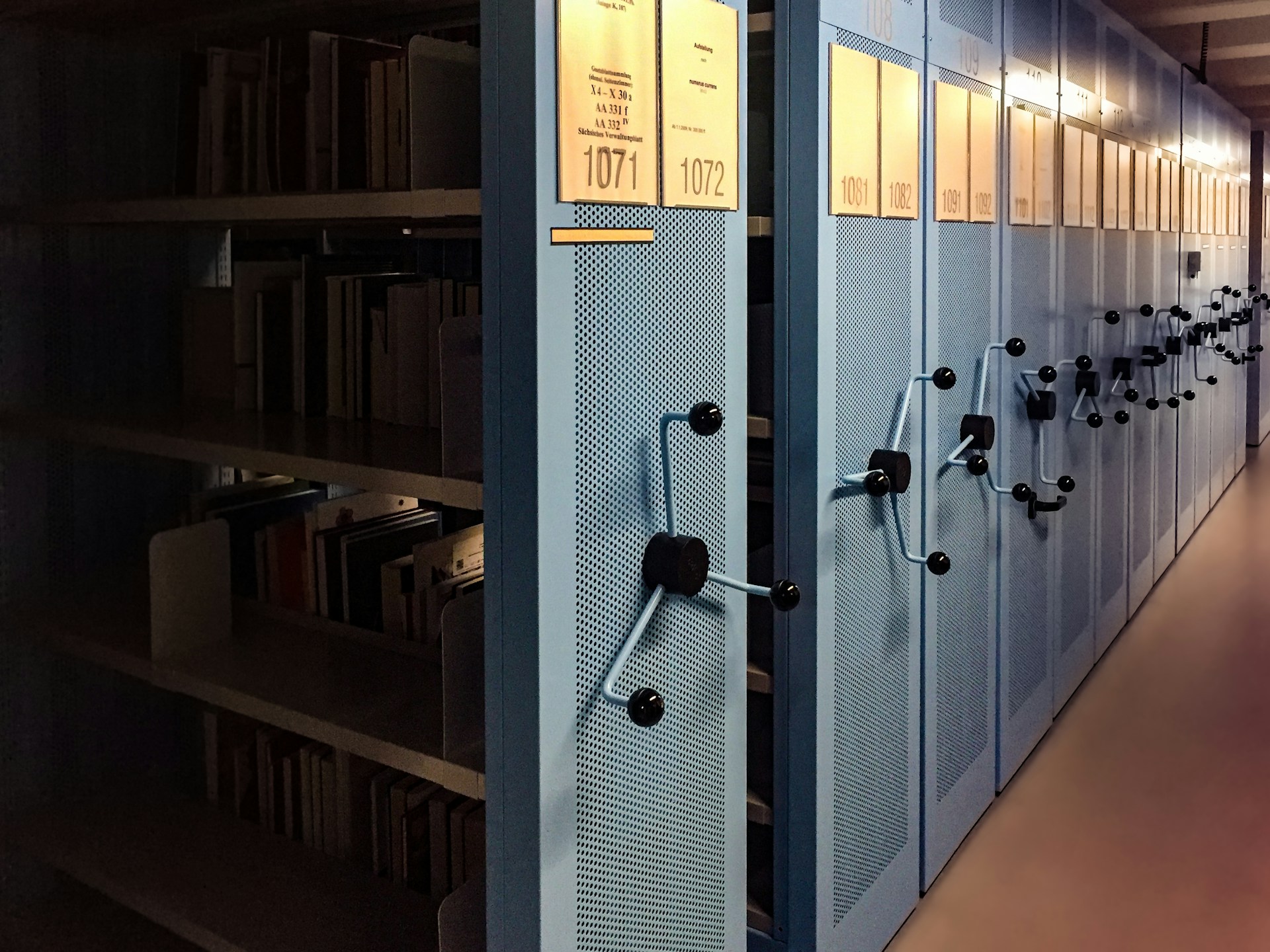
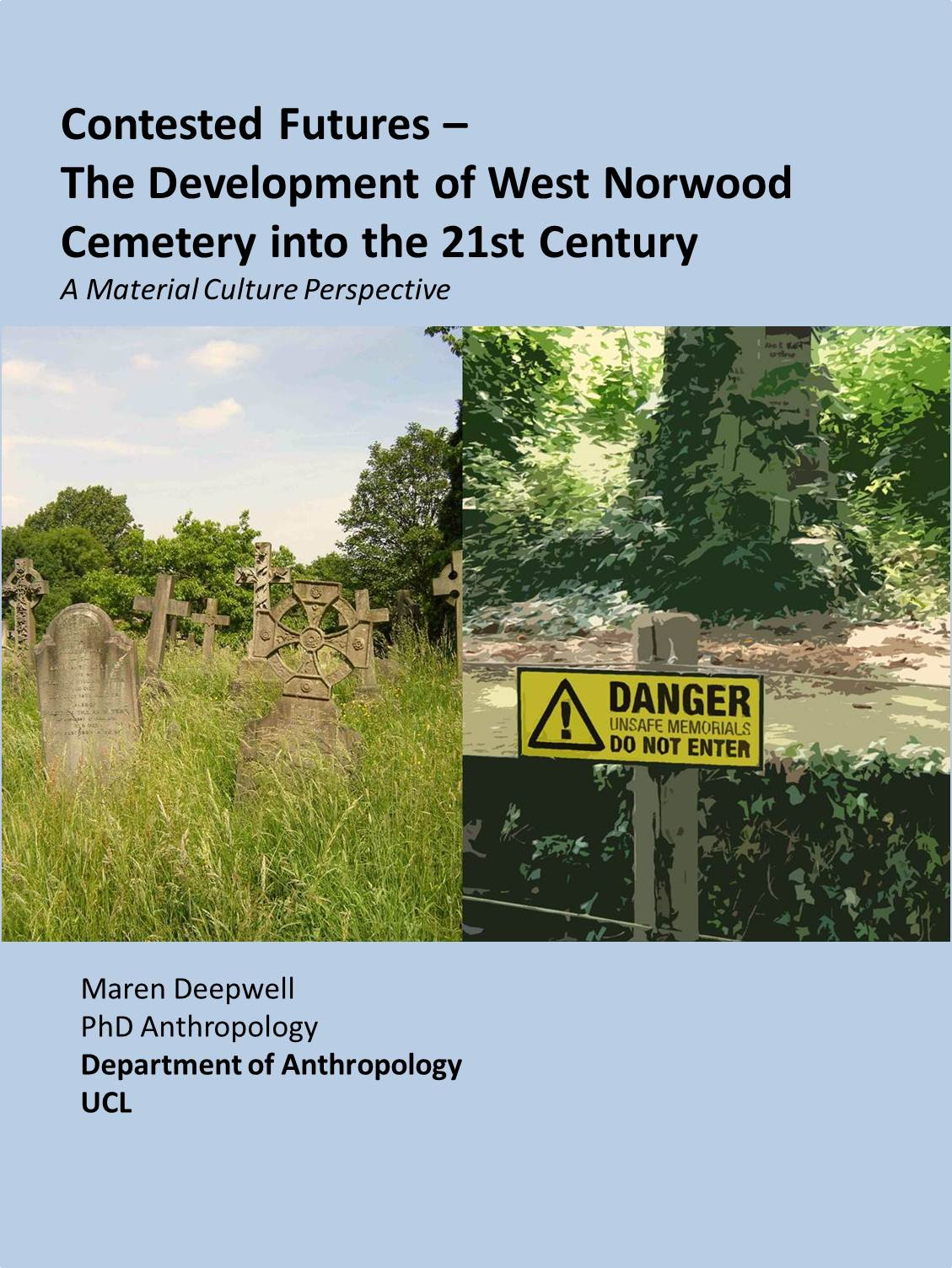
My archive page is a lot like a personal vault. If you scroll all the way to the bottom of the page you’ll see that at the start I added some entries a bit like you would on a CV. I added dates of degrees I completed and images of things like my doctoral thesis from 2008:
Initially, I added these things as I was moving blogs, and I didn’t want to loose track of what I was up to. I was just in the finishing years of my graduate studies, and started working full-time and I had no real idea of what was going to happen next.
For a while, in the first few years of working at ALT, I didn’t really keep a record of anything until I started blogging publicly again in 2010 on WordPress, rather than my old Google Blogger sites. But then from 2013 onwards I started keeping a running list of projects I completed, conference papers, media stuff and so on.
Looking back to 2013, this entry makes me smile: June: Radio 4, Today Programme . Not particularly helpful for anyone other than myself, but it does bring back the morning I spent nervously sitting next to a very intimidating John Humphreys in the BBC radio studios in London. Similarly, in 2014 I went to the European Parliament in Brussels… noted in a similarly cryptic entry, but equally memorable for me. And although the 2015 link to an appearance on Parliament TV still works, many of the older links have rotted.
As we progress through the years the list of things I recorded each year becomes both longer and more comprehensive, particularly as I started to add links to blog posts on my own domain that contain a lot more information about a specific event or project. 2020’s entry is a bit shorter, but it looks remarkably ‘normal’ given everything that happened that year.
What do I use it for?
So, how is this useful?
Well, the practice of making the list and adding new entries to it is useful to me in itself. I could probably use a tool to compile this kind of information for me, but there’s great value for me in the act of processing what I have done and reflecting on it as I make the list.
For example, adding new items to the 2024 section of the list earlier today made me realise just how busy a year I have had so far, and we are only three weeks into it:
Workshop: Leading Hybrid Teams. Senior Leadership Team Away Day, University of Edinburgh, January 2024;
Article: Are you returning to the office, five days a week? Exploring the future of hybrid working. Learning Magazine, January 2024
So on a regular basis, as I publish something or a new project gets scheduled or completed, I will update the list, add links and date each entry. Wherever possible I try to capture what I am doing in a blog post as I add it to the list, so that I don’t have to rely on external websites to retain the information.
Then, on a monthly basis as I compile my newsletter, I refer back to the list, and cross-check what else I may want to mention. This is super helpful for me and makes compiling the newsletter pretty easy.
I also use the list as an archive in case someone asks me what talks I have recently given or what papers I have published on a particular topic and I make use of it for reviewing my progress or performance.
It’s a kind of super power when it comes to things like annual appraisals or planning career development. It doesn’t take me long to answer the questions like ‘What have you done in the past year ?’ or make a list of articles I have published. That is magnified if I want to write end of year reviews or reflections.
It’s important to me to keep learning and developing and over the years keeping this archive up to date has become a natural process of my workflow, just as blogging or journalling have become part of my practice.
Tips for starting your own archive
If you are keen to start your own list, get started with literally anything. You could add a workshop you have run or an event you attended, or even books you’ve read. You could add projects you have been involved with or led, or papers you have published.
The key is not to worry whether something is worthy of being included, and to simply include everything. I find once you start making a list of everything, things quickly amount to more than expected.
Over time, as you practice keeping the list, the satisfaction of adding to it will become a good motivator for keeping going but initially it can be difficult to find the courage to get started.
You might prefer to keep your list private, which is completely fine. The reason I have mine on my blog is that I am comfortable working here and I use my blog every few days. It’s a convenient place for me to refer back to or to send people to, but I don’t think the page that shows my archive gets a lot of visitors.
For me however it is priceless, and it reminds me when I have low days how much I have achieved over the years. Maybe your list will do the same for you.
One consideration for me is that I want to do what I can to keep the data safe. That is why I don’t rely on a platform like LinkedIn to keep this information. In an ideal world I might update the information somewhere like that, a network where folk who consider working with me might more easily get an idea of what I have accomplished. However, although that would be useful, I don’t trust that the information will still be there in 10 years or that it won’t suddenly get reformatted or repurposed as platforms change. Thus, I keep it here on my own domain first and foremost, and I update everywhere else when I feel it’s necessary.
So, good luck if you are just getting started and kudos to you if you are already on your way to keeping that precious list of everything you’ve done.
It’s been great fun this week to head up to Edinburgh to facilitate an away day for a senior leadership team at the university, and I wanted to share a few snippets of what made the day really memorable for me. The focus for the day was all about hybrid working and leading people and projects in a continually changing context, managing the enduring impact of lockdown working alongside emerging policies and priorities. Here are some reflections:
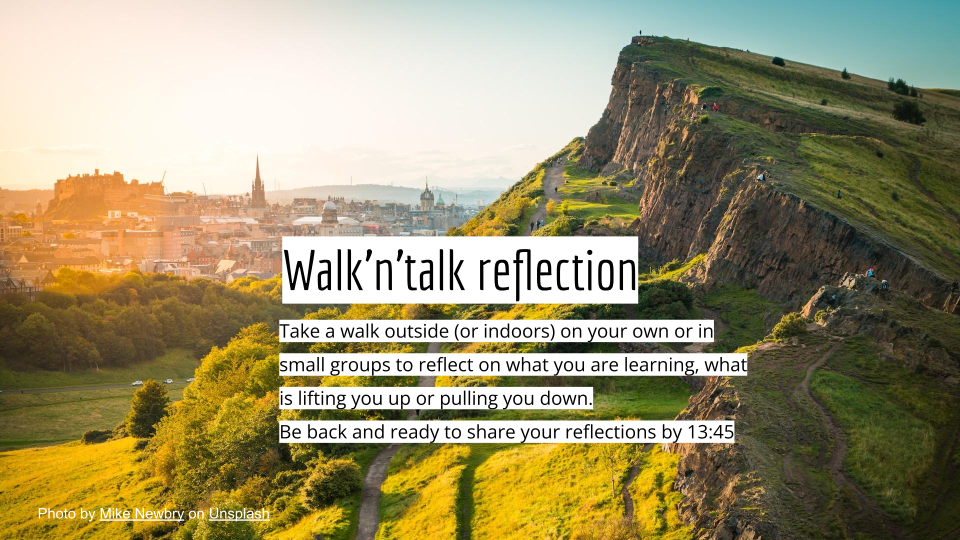
First of all, there’s the venue! The photo of this post shows the building where we spent our day with a beautiful view of Arthur’s Seat. It was great to have a venue which had such scenery on the doorstep, particularly as we could see the hill from the meeting room where we were based for the day. Lots of natural light and air always helps, I find. The venue was a good fit for some of the activities I had built into the day, designed to encourage everyone to step away from their screens and do some thinking together whilst getting some movement in.
The walk and talk reflection after lunch was a really popular part of the day, giving everyone time and space to talk about things in a less formal setting than sitting around a meeting table. This activity also offered those who needed some quiet time to reflect on their own a way to do that between a busy morning of group working and the afternoon brainstorming session.
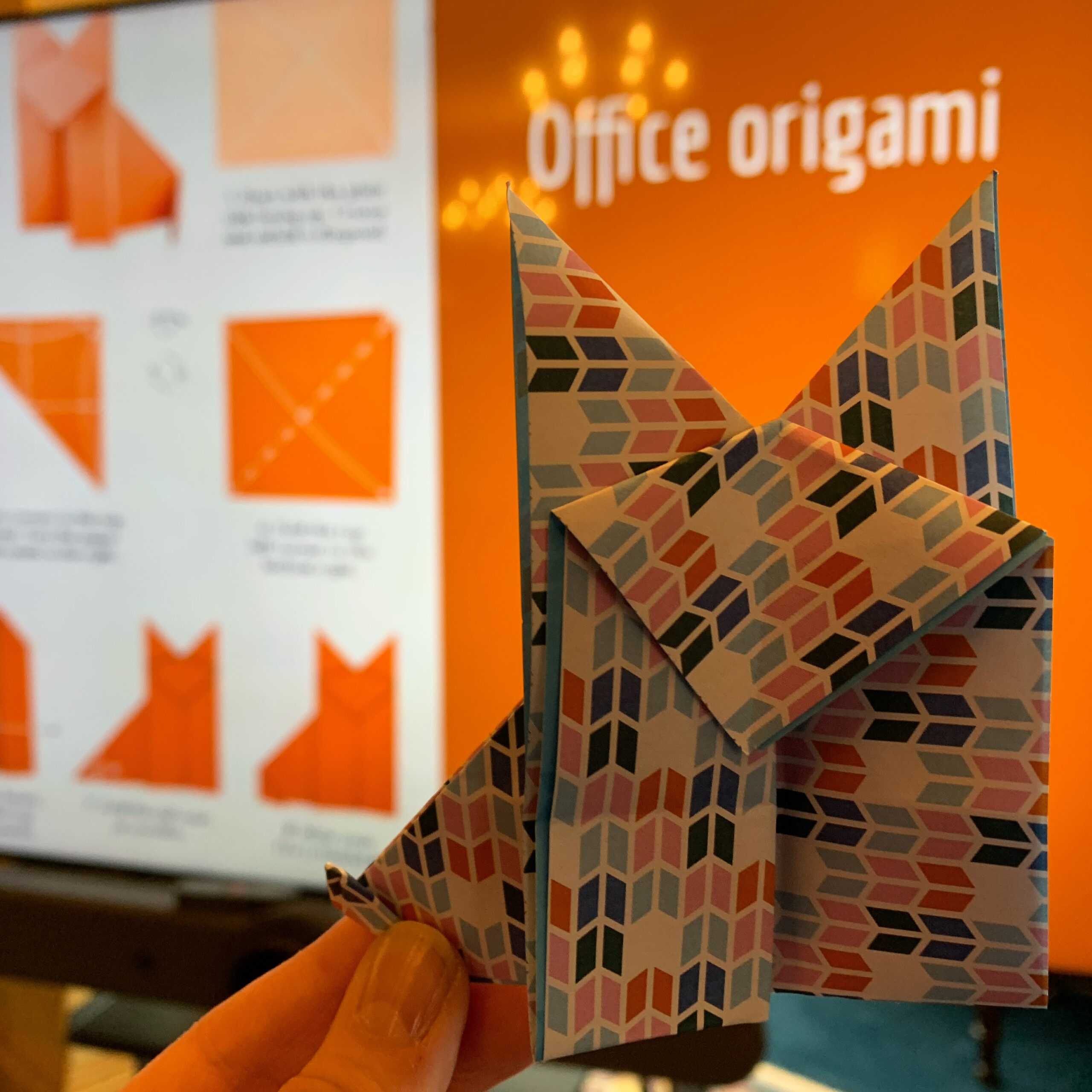
One of the sessions on the agenda explored fresh ideas for fostering a sense of community and encouraging engagement in hybrid workplaces. For example, we discussed how working radio or shared playlists could work, even scope to have a silent disco… đ . I loved that idea in particular. We also tried out office origami as a communal activity.
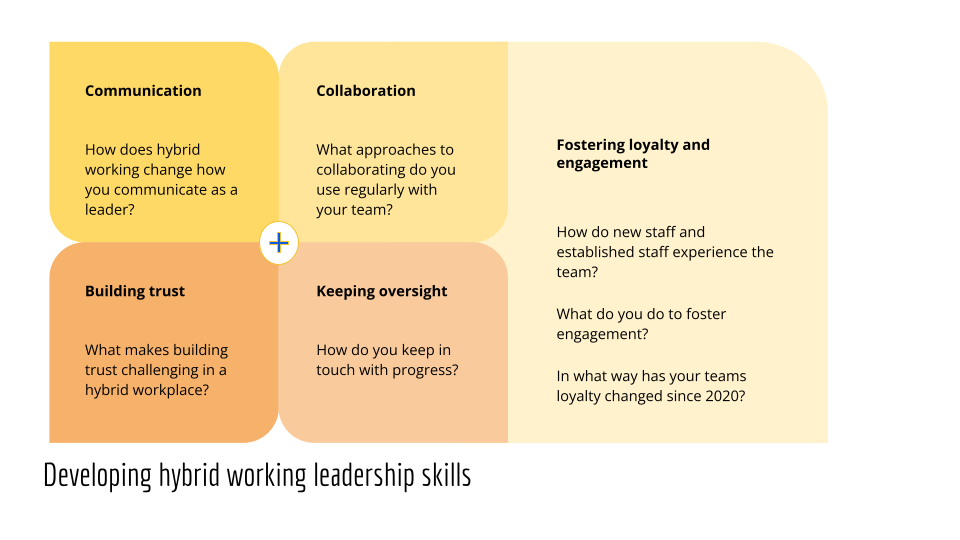
Now, for most of the day we worked on hybridâworking leadership skills, exploring areas like communication and collaboration as well as building trust and keeping oversight of progress. Most importantly we talked about fostering loyalty and engagement, considering how the experiences of new and established staff could differ and how the role of leaders changes over time as hybrid working becomes more established.
What was really inspiring for me throughout the day was to see all the experience and expertise a team like this can bring to bear on the challenges of hybrid working. Working in learning technology builds a lot of capacity for the challenges ahead, especially as there are a lot of things we know about blended learning that can now be applied to hybrid working.
I had quite a few requests from folk elsewhere who are interested in hosting a day like this at their institution or take part in an online version. If you’d like to be added to the waiting list for that, get in touch.
Keep in touch with new events and the work I am doing by subscribing to my free monthly newsletter.
This week I am kicking off blogging with a BIG thank you to all my coaching clients and fellow coaches for an amazing year!
I am really proud to have completed all components of my first milestone credential as a professional coach – thanks to Katie Linder’s inspiring training programme and all the coaches I have met and connected with through this supportive network over the past two years.
As I wait to complete the formal credentialing process it’s interesting to look back to when I started coach training in January 2022. At that stage I wasn’t expected that two years later coaching and mentoring would become such an important part of my professional practice. It’s been a fantastic fit for me from the start, and throughout the training process I have learnt so much about leadership and professional development.
Until October all of my coaching and coach training had to be accommodated alongside a very full on job, and I am grateful to have hit the milestone of having worked with 25+ clients in the past year! Mostly individuals, and also a few teams, have been part of my work and I am grateful to everyone who’s connected with me about coaching.
It’s been a huge privilege to share your journeys and a whole lot of fun to put curiosity at the heart of exploring work, life and everything in between. This year I have worked with academics, edtech professionals, leaders and their teams, founders and entrepreneurs – and I am already looking forward to what 2024 has in store for us!â
Share your feedback or a testimonial
Do you have feedback about coaching with me or a testimonial I could share with future clients? Get in touch, share your feedback on social media or complete the form below. I’d love to hear from you.