Tag: CPD

  • My personal vault. Or what I learnt from a decade of progress tracking

    My personal vault. Or what I learnt from a decade of progress tracking

    I made a fun discovery today: It’s now been over ten years since I started this list of things I have done. Wow! I had no idea it had been that long, and seeing those entries from 2013 made me pause and reflect on the habit of keeping the list, a decade in the making.

    Why did I start tracking progress in this way?

    My archive page is a lot like a personal vault. If you scroll all the way to the bottom of the page you’ll see that at the start I added some entries a bit like you would on a CV. I added dates of degrees I completed and images of things like my doctoral thesis from 2008:
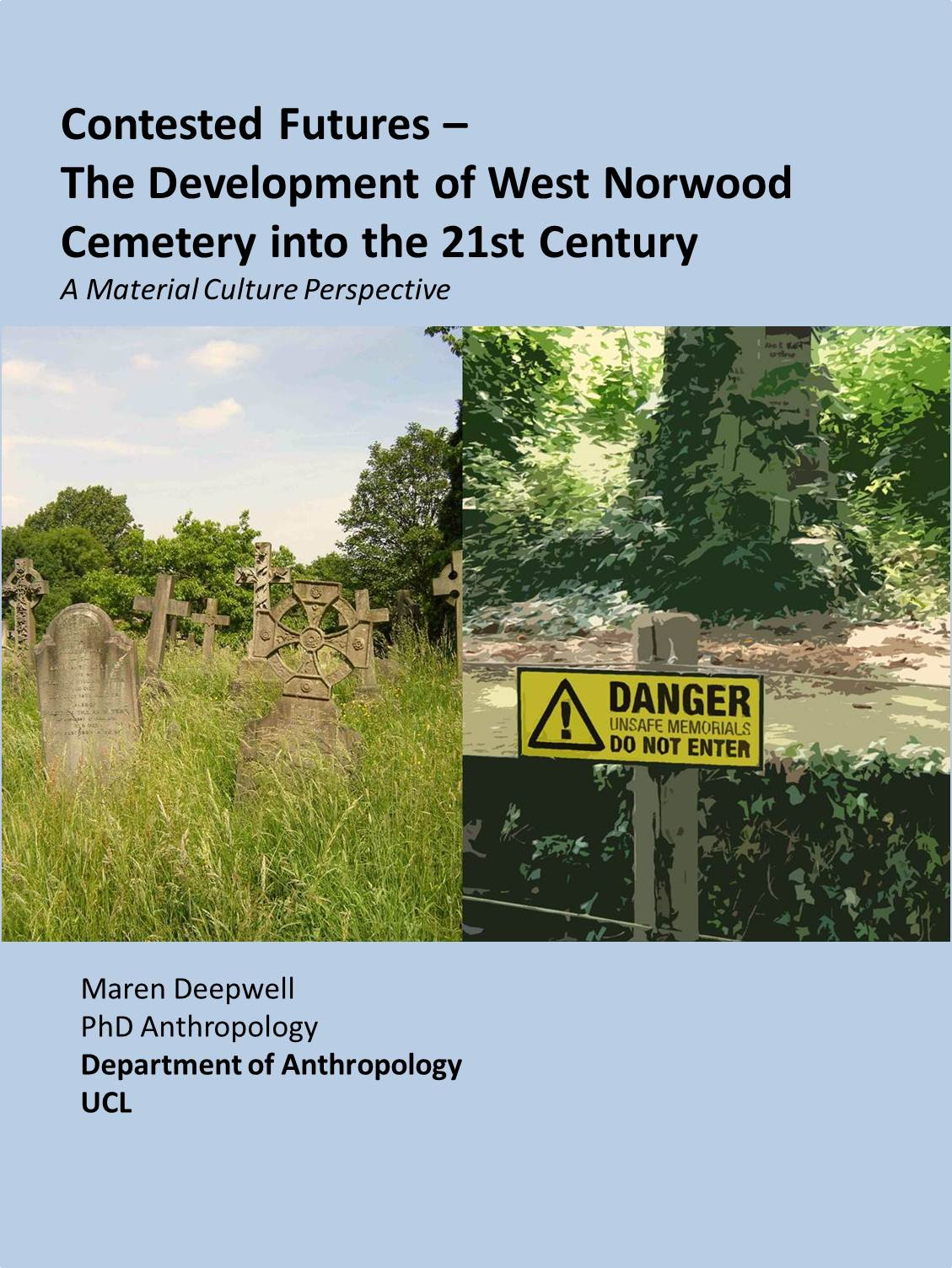
    Initially, I added these things as I was moving blogs, and I didn’t want to loose track of what I was up to. I was just in the finishing years of my graduate studies, and started working full-time and I had no real idea of what was going to happen next.

    For a while, in the first few years of working at ALT, I didn’t really keep a record of anything until I started blogging publicly again in 2010 on WordPress, rather than my old Google Blogger sites. But then from 2013 onwards I started keeping a running list of projects I completed, conference papers, media stuff and so on.

    Looking back to 2013, this entry makes me smile: June: Radio 4, Today Programme . Not particularly helpful for anyone other than myself, but it does bring back the morning I spent nervously sitting next to a very intimidating John Humphreys in the BBC radio studios in London. Similarly, in 2014 I went to the European Parliament in Brussels… noted in a similarly cryptic entry, but equally memorable for me. And although the 2015 link to an appearance on Parliament TV still works, many of the older links have rotted.

    As we progress through the years the list of things I recorded each year becomes both longer and more comprehensive, particularly as I started to add links to blog posts on my own domain that contain a lot more information about a specific event or project. 2020’s entry is a bit shorter, but it looks remarkably ‘normal’ given everything that happened that year.

    What do I use it for?

    So, how is this useful?

    Well, the practice of making the list and adding new entries to it is useful to me in itself. I could probably use a tool to compile this kind of information for me, but there’s great value for me in the act of processing what I have done and reflecting on it as I make the list.

    For example, adding new items to the 2024 section of the list earlier today made me realise just how busy a year I have had so far, and we are only three weeks into it:

    So on a regular basis, as I publish something or a new project gets scheduled or completed, I will update the list, add links and date each entry. Wherever possible I try to capture what I am doing in a blog post as I add it to the list, so that I don’t have to rely on external websites to retain the information.

    Then, on a monthly basis as I compile my newsletter, I refer back to the list, and cross-check what else I may want to mention. This is super helpful for me and makes compiling the newsletter pretty easy.

    I also use the list as an archive in case someone asks me what talks I have recently given or what papers I have published on a particular topic and I make use of it for reviewing my progress or performance.

    It’s a kind of super power when it comes to things like annual appraisals or planning career development. It doesn’t take me long to answer the questions like ‘What have you done in the past year ?’ or make a list of articles I have published. That is magnified if I want to write end of year reviews or reflections.

    It’s important to me to keep learning and developing and over the years keeping this archive up to date has become a natural process of my workflow, just as blogging or journalling have become part of my practice.

    Tips for starting your own archive

    If you are keen to start your own list, get started with literally anything. You could add a workshop you have run or an event you attended, or even books you’ve read. You could add projects you have been involved with or led, or papers you have published.

    The key is not to worry whether something is worthy of being included, and to simply include everything. I find once you start making a list of everything, things quickly amount to more than expected.

    Over time, as you practice keeping the list, the satisfaction of adding to it will become a good motivator for keeping going but initially it can be difficult to find the courage to get started.

    You might prefer to keep your list private, which is completely fine. The reason I have mine on my blog is that I am comfortable working here and I use my blog every few days. It’s a convenient place for me to refer back to or to send people to, but I don’t think the page that shows my archive gets a lot of visitors.

    For me however it is priceless, and it reminds me when I have low days how much I have achieved over the years. Maybe your list will do the same for you.

    One consideration for me is that I want to do what I can to keep the data safe. That is why I don’t rely on a platform like LinkedIn to keep this information. In an ideal world I might update the information somewhere like that, a network where folk who consider working with me might more easily get an idea of what I have accomplished. However, although that would be useful, I don’t trust that the information will still be there in 10 years or that it won’t suddenly get reformatted or repurposed as platforms change. Thus, I keep it here on my own domain first and foremost, and I update everywhere else when I feel it’s necessary.

    So, good luck if you are just getting started and kudos to you if you are already on your way to keeping that precious list of everything you’ve done.

    Subscribe to my free monthly newsletter!

    [newsletter_form type=”minimal”]

    Cover image credit: Photo by C M on Unsplash

  • Preview: World of Learning Summit

    Preview: World of Learning Summit

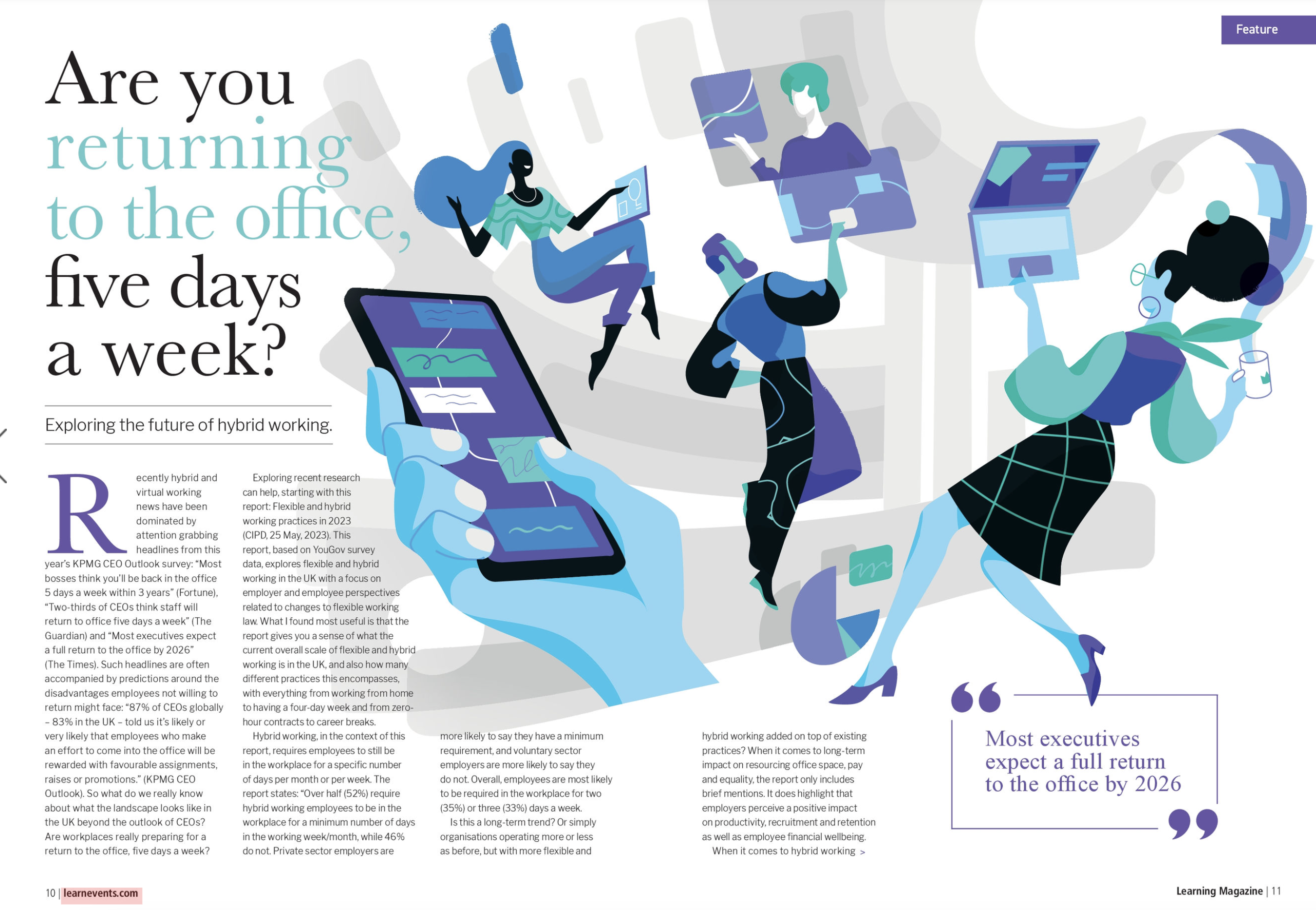
    I am really looking forward to speaking an next week’s World of Learning Summit. In preparation for the session and to offer an insight into what my session will be about, I contributed an article to the Learning Magazine: you can read the article freely online.

    Screenshot of the article with the caption: Are you returning to the office, five days a week?

    My session at the summit is on Wednesday, and focused on offering an interactive discussion forum for leaders. We’ll explore hybrid working recruitment and retention, new trends in hybrid working and also challenges that arise over time from recruitment to long term retention.

    Look out for the slides of the session, which I’ll be sharing via my linktree.

    Don’t miss a post. Subscribe to my free newsletter and get a summary of everything once a month to your inbox.

    [newsletter_form type=”minimal”]

  • Origami, walking and a lot of space to think

    Origami, walking and a lot of space to think

    It’s been great fun this week to head up to Edinburgh to facilitate an away day for a senior leadership team at the university, and I wanted to share a few snippets of what made the day really memorable for me. The focus for the day was all about hybrid working and leading people and projects in a continually changing context, managing the enduring impact of lockdown working alongside emerging policies and priorities. Here are some reflections:

    First of all, there’s the venue! The photo of this post shows the building where we spent our day with a beautiful view of Arthur’s Seat. It was great to have a venue which had such scenery on the doorstep, particularly as we could see the hill from the meeting room where we were based for the day. Lots of natural light and air always helps, I find. The venue was a good fit for some of the activities I had built into the day, designed to encourage everyone to step away from their screens and do some thinking together whilst getting some movement in.

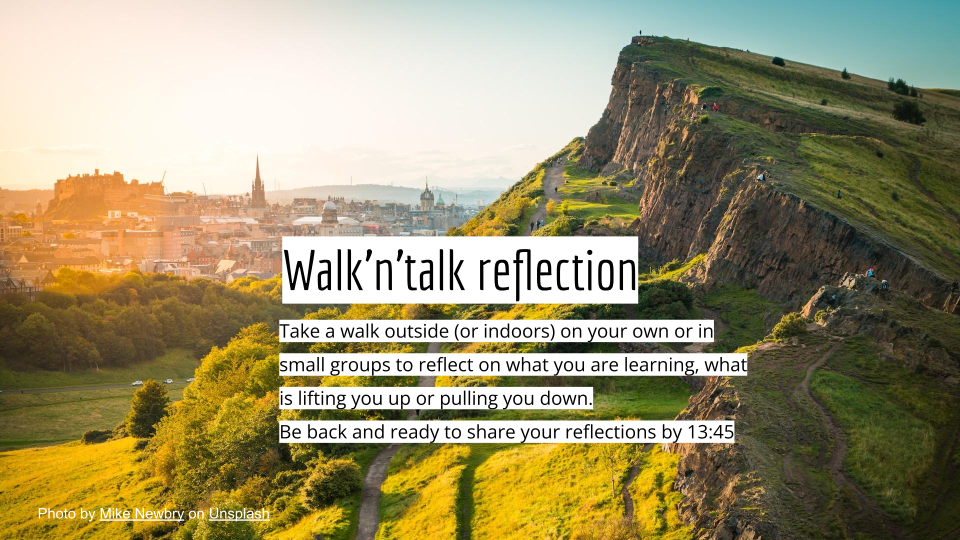
    Slide from the presentation day showing a picture of the hill and sharing instructions for a walk and talk reflection.

    The walk and talk reflection after lunch was a really popular part of the day, giving everyone time and space to talk about things in a less formal setting than sitting around a meeting table. This activity also offered those who needed some quiet time to reflect on their own a way to do that between a busy morning of group working and the afternoon brainstorming session.

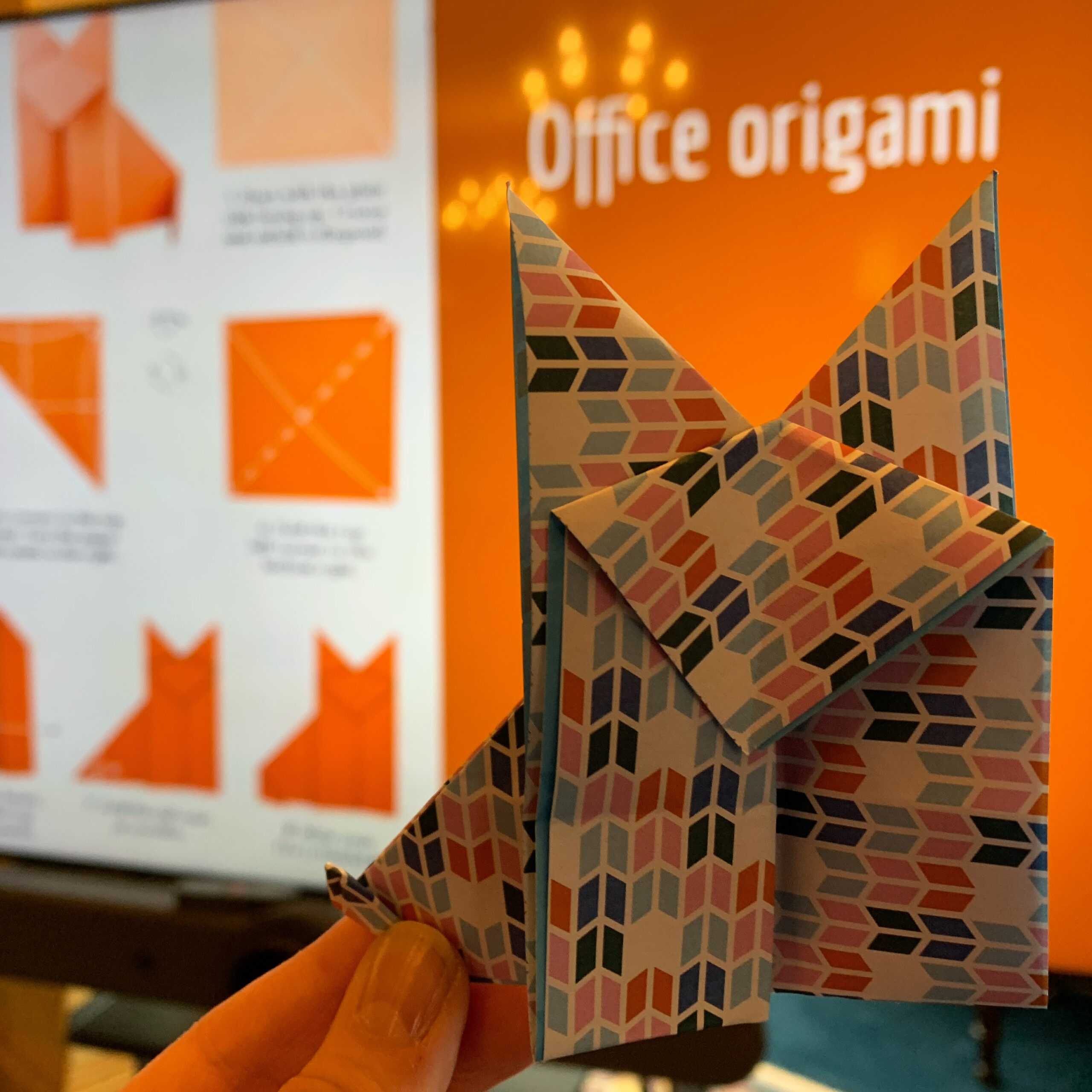
    Office origami

    One of the sessions on the agenda explored fresh ideas for fostering a sense of community and encouraging engagement in hybrid workplaces. For example, we discussed how working radio or shared playlists could work, even scope to have a silent disco… 🙂 . I loved that idea in particular. We also tried out office origami as a communal activity.

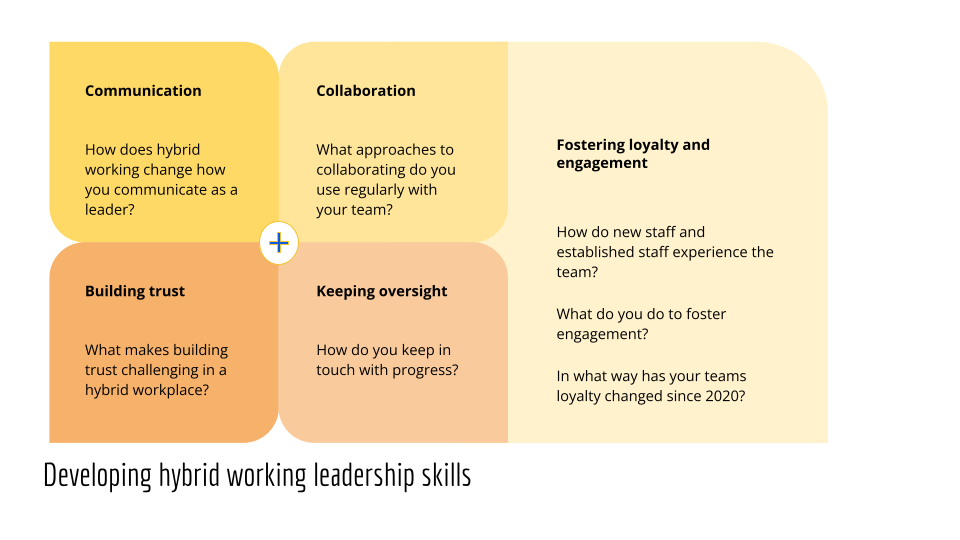
    Now, for most of the day we worked on hybrid working leadership skills, exploring areas like communication and collaboration as well as building trust and keeping oversight of progress. Most importantly we talked about fostering loyalty and engagement, considering how the experiences of new and established staff could differ and how the role of leaders changes over time as hybrid working becomes more established.

    What was really inspiring for me throughout the day was to see all the experience and expertise a team like this can bring to bear on the challenges of hybrid working. Working in learning technology builds a lot of capacity for the challenges ahead, especially as there are a lot of things we know about blended learning that can now be applied to hybrid working.

    Over the past year I have run my hybrid working leadership course, inspired by my book on leading virtual teams and coaching tools I have developed to support these offerings and it was great to see a lot of elements from these activities come together into one packed day of leadership development.

    I had quite a few requests from folk elsewhere who are interested in hosting a day like this at their institution or take part in an online version. If you’d like to be added to the waiting list for that, get in touch.

    Keep in touch with new events and the work I am doing by subscribing to my free monthly newsletter.

    [newsletter_form type=”minimal”]
  • Thank you for an awesome year in coaching

    Thank you for an awesome year in coaching

    This week I am kicking off blogging with a BIG thank you to all my coaching clients and fellow coaches for an amazing year!

    I am really proud to have completed all components of my first milestone credential as a professional coach – thanks to Katie Linder’s inspiring training programme and all the coaches I have met and connected with through this supportive network over the past two years.

    As I wait to complete the formal credentialing process it’s interesting to look back to when I started coach training in January 2022. At that stage I wasn’t expected that two years later coaching and mentoring would become such an important part of my professional practice. It’s been a fantastic fit for me from the start, and throughout the training process I have learnt so much about leadership and professional development.

    Until October all of my coaching and coach training had to be accommodated alongside a very full on job, and I am grateful to have hit the milestone of having worked with 25+ clients in the past year! Mostly individuals, and also a few teams, have been part of my work and I am grateful to everyone who’s connected with me about coaching.

    It’s been a huge privilege to share your journeys and a whole lot of fun to put curiosity at the heart of exploring work, life and everything in between. This year I have worked with academics, edtech professionals, leaders and their teams, founders and entrepreneurs – and I am already looking forward to what 2024 has in store for us! 

    Share your feedback or a testimonial

    Do you have feedback about coaching with me or a testimonial I could share with future clients? Get in touch, share your feedback on social media or complete the form below. I’d love to hear from you.

  • The story behind… Hybrid Working Habits

    The story behind… Hybrid Working Habits

    In this week’s podcast I share some of my personal history and how I came to be so interested in all things hybrid and virtual working. From Germany to London in my art school years, and from Athens to Oxford as my work moved from Art to Anthropology and then Education, this episode sets out what I think is interesting about hybrid and virtual working, why it’s important and why now is the time to really find ways of working that work for you.

    Listen to the episode:

    What are your hybrid working conundrums? Leave a comment or email me with you questions and problems when it comes to hybrid working, and I’ll pick these up in the upcoming episodes.

    Learn more about the course

    Change your Hybrid Working Habits, my new 4 week course, starts 20th October 2023.

    One of the consequences of the global pandemic in the workplace is an increased demand for flexible and hybrid working. In response, employers are offering staff to work from home more regularly, and come into the office or on campus for less time each week. Flexible working is intended to increase staff satisfaction, productivity, and retention at a time when we have moved from the great resignation of 2021 to an endemic of ‘quiet quitting’. At the same time, effectively working from home has become a sought after skill in the workplace, particularly as some of the negative impacts of long term home working on (mental) health, equality, diversity and inclusion and staff engagement have started to emerge. 

    Bridging the gap between the growing hybrid workforce of knowledge workers and the (lack) of organisational vision for the post-pandemic workplace, are the managers and leaders leading increasingly virtual teams. It is their job to translate the newfound flexibility into effective collaboration between colleagues. It is their challenge to establish communication channels that engage a hybrid workforce with diverse needs, balancing work with other commitments. A workforce for whom coming to the office or on campus may be a hated necessity or indeed a much sought after opportunity. Not everyone loves working from home, sharing a desk or meeting in a coffee shop. 

    If you are looking to move from overwhelm and burnout to finding balance, then this course is for you. 

    Develop the skills you need

    This course is designed to help develop skills to:

    • Audit your hybrid working habits to find out how your current habits are impacting on you and what to change;
    • Set boundaries for a better life/work balance and stick to them even when things are busy;
    • Increase productivity away from the screen by using strategies for communicating and collaborating outside of meetings;
    • Communicate more effectively in the hybrid workplace in a way that works for you and reduces digital overwhelm.

    Course activities

    Listen to the podcast

    The course has four parts and each part is introduced by a podcast episode that sets out the key ideas for the topic. I have chosen the podcast format to enable you to follow the course at your own pace, listening when it suits you and also to minimise screen time needed to take part in the course. Whether you listen to the course as you walk the dog, cook or sit in a comfy chair, this course is designed to take you away from your screen and constant stream of notifications. You just have to listen.

    Reflect on your practice in weekly hangouts

    Each topic is accompanied by prompts and questions to help you reflect on your professional practice. We will use these prompts in weekly course sessions to take a deeper dive into ways of working in the hybrid workplace and reflect on how your habits aligns with your goals and values. You can choose whether you write your reflections down, share them with others in the course or keep them private for yourself.

    Explore new ways of working

    Each topic comes resources and tools to explore. You can try out new idea for yourself or join one of the weekly drop-in sessions for personalised support.

    Who is the course for?

    This course is designed for emerging and established leaders and managers working in a hybrid or fully virtual setting in education and the not-for-profit sector. We will focus on how to develop effective home/hybrid working strategies. Whether you are collaborating online on a project, organising distributed volunteers or managing a whole hybrid working department, this course will support you to move from overwhelm and burnout to finding balance.

    Register today

    4 Week Course Listener – free

    • Listen via your favourite podcast app
    • Follow at your own pace
    • Explore resources via the show notes
    • Upgrade anytime!

    4 Week Course Explorer – £29

    • Course content straight to your inbox
    • Weekly course hangout & drop-in support
    • End of course summary with resource pack
    • Certificate & badge upon completion

    4 Week Course Explorer + Personal Coaching – £229
    Course Explorer package PLUS:

    • 4 x 1-to-1 coaching sessions tailored to you
    • resources and tools
    • personal plan and accountability check-ins

    Register now

    Enjoyed this post? Get my free monthly newsletter directly to your inbox.

  • Plant pace… moving through change

    Plant pace… moving through change

    Yep, this is another post about houseplants… or rather things we can learn from plants. I’ve previously published leadership lessons from office plants and in the same spirit this post is all about houseplant inspired tips for managing a period of change or transition.

    It’s inspired by my own experience of moving between jobs this month and my adventures in caring for a growing collecting of plants in my home and home office. It’s the first time in a long while that I am changing jobs, but the last few years have brought so much uncertainty with them that I feel I have quite a lot of practice of coping with the unexpected. What the last few years have also highlighted for me is how important it is for us to have strategies for periods of transition – and like many I found solace and inspiration in bringing a bit of green indoors.

    So in the spirit of open practice, here are my personal reflections and practical tips. You can also listen related episode of my podcast on Apple Podcasts.

    Allowing time to be less productive

    One of the things I have struggled with a lot in recent months is just how much there is I don’t know or can’t control, both when it comes to changing jobs and also in relation to my plant collection. Although I am looking forward to the changes ahead, it’s still disconcerting not to know what the next day, week or month will bring, how it will feel, if what’s ahead is fun or frightening. While I have plenty of practice in dealing with uncertainty both professionally and personally, the emotional toll of not know is still there.

    Hence there is a lot of need to get comfortable with accepting what I can’t control and to sit with my feelings, comfortable with being uncomfortable. Spending time with plants is one way of making that space and time to acknowledge to myself (and where appropriate to others) what I am feeling. I might go for a walk or sit quietly somewhere, or lie on the sofa cuddling my dog. The particulars don’t really matter. What does matter is that in that extra time I need I am not being as productive as usual. I am not achieving or working in the way I usually do. It’s a season of change, and just like my plants aren’t always growing new leaves or in bloom, I am adjusting and trying to enjoy this period for what it is.

    Reflecting to gain perspective

    Reflecting is a key part of my professional practice. I like reflecting in conversation, by writing in my journal, or just thinking about things. That said, at the moment I am finding it difficult to focus. I sit in front of a blank page and I can’t find the words to start. There seems to be too much to reflect on to know where to start, or indeed everything I can think of doesn’t seem worth mentioning.

    Fortunately, I have a coach whom I get to lean on in times when my own capacity to gain perspective is low, but I also found some prompts to help me reflect. What I do is to start on a fresh page, and write down 3-5 questions that I then answer in turn. Here are some examples of the kind of questions I ask myself:

    • What was hard today?
    • How would you like tomorrow to be different?
    • What do you wish you had done or said differently?
    • Why are you feeling the way you do?
    • What has changed in the past week/month?
    • What are you looking forward to next?
    • What would you wish would go away?

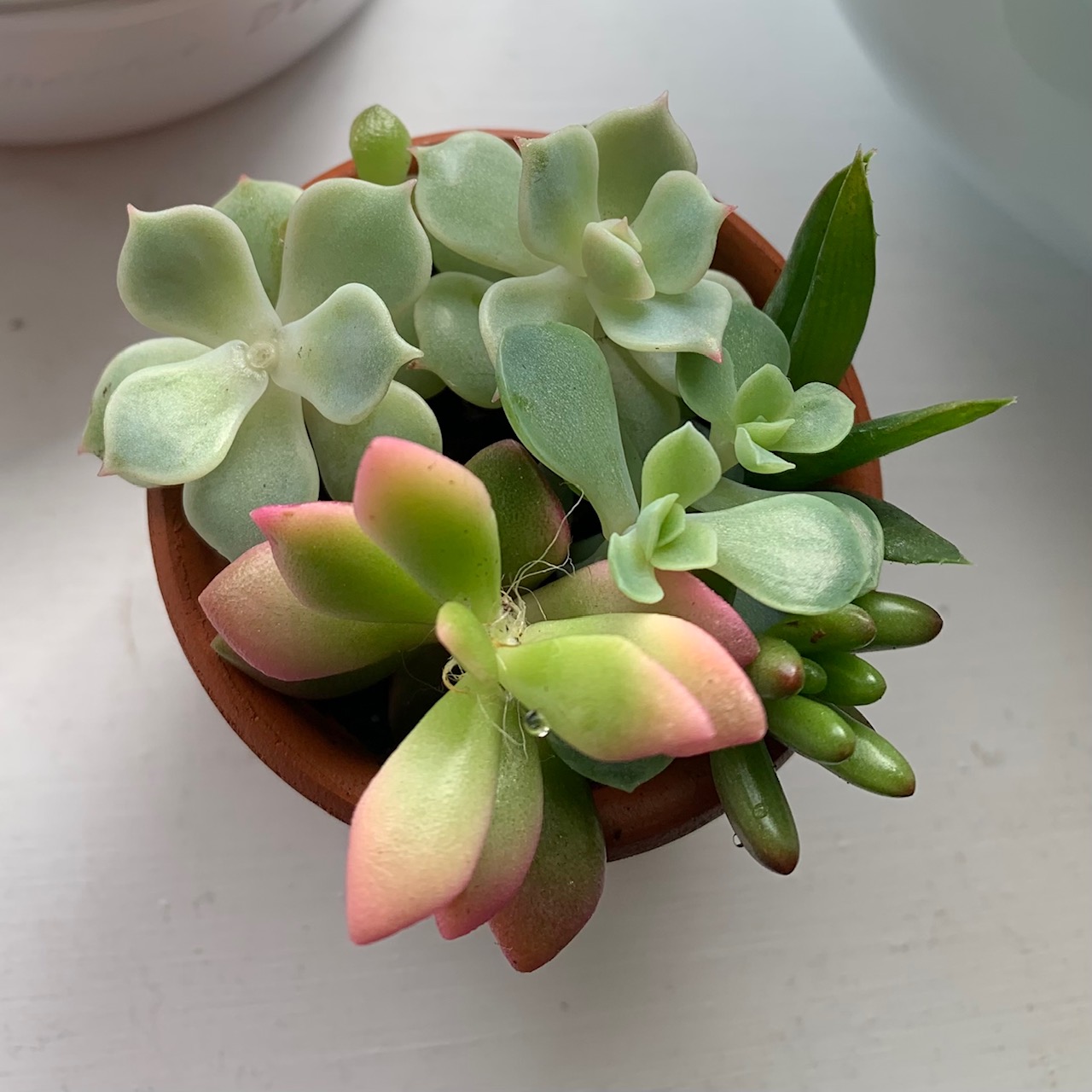
    I have some very small succulents at the moment, and they are so interesting to watch. Day to day they don’t really change, and sometimes I give them to much water or too little, and some of them don’t like it, but with patience, they do change and grow and you can also really see those changes over a period of time. Similarly, in my journal, I can usually only spot the patterns when I look back at what I wrote 3 months or even a few years ago. It serves to remind me that my current perspective is always limited by the here and now.

    Focus on what stays constant

    Even in times of transition many things remain the same and it can help to focus on these. For me, it’s easiest to find constants in my home, my daily routine and my own skills and capacity. Here are some examples:

    Home: I like finding my favourite comfy spots to read and have tea. Particularly during a stressful day, I enjoy looking out of the window and observing the outside world. I also have a great fondness for plants, and I have about 10-15 houseplants in my office. Plants change at a much slower rate, as they grow and develop. I enjoy observing them closely and soak up some of their patience and calm along the way.

    Daily routine: tea in the morning, walking the dogs, even answering emails can be comforting routines. I really enjoy routines and habits, even though my week is not planned out in every respect. I like having flexibility to decide when I want to exercise or do chores, but doing familiar things is still comforting.

    Skills and competencies: one of the things I find most comforting about change is that I can continue to rely on my own skills and competencies even when the context in which I apply them changes. For instance, I love planning and organising things. I enjoy being creative and producing content. My work rate is extremely high, and I get a lot done. All of these aspects remain the same, and I try to lean into those strengths.

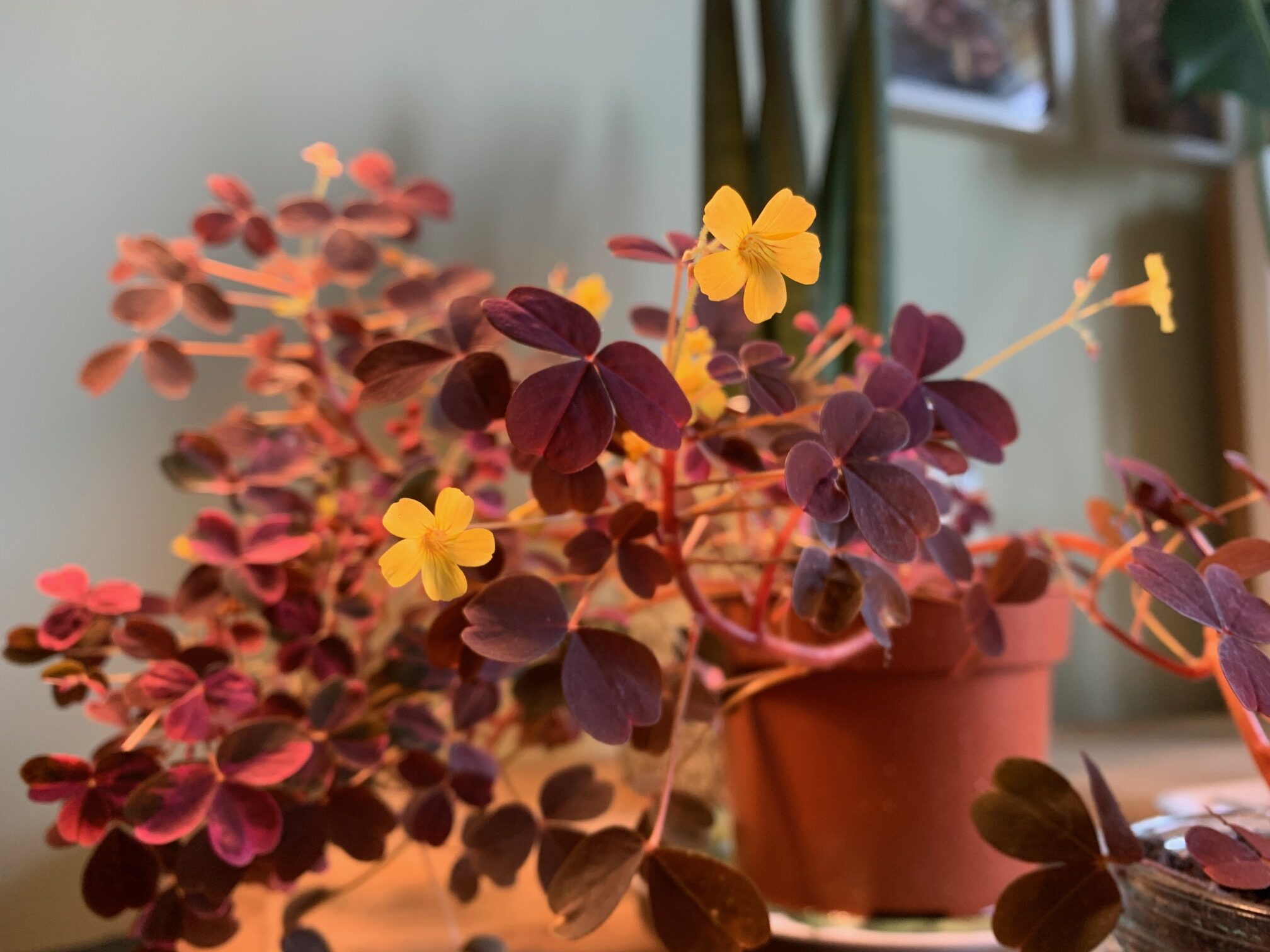
    This plant, an Oxalis, arrived at my office from a local plant fair very recently. It usually grows near water, like a brook or stream, and is used to having some sun, but not too much, and to be kept moist and not dry out. So far, I am happy to say, I haven’t managed to kill it, but there’s always a high probability of failure with a new plant I am still learning about. I don’t know yet how the plant will adapt to my office, or what it might need. Context is everything, and with a change in environment there’s always a risk of failure. Like with plants, people, too, need conditions to thrive, and they provide a constant reminder of that.

    There are other strategies that work for me at the moment, including making time to practice gratitude, taking breaks, planning for a holiday and re-inventing some of my weekly routines. In short, everything I do when moving at ‘plant pace’ (slow, intentional, balanced, looking after my needs) feel good and are helpful in this period of transition.

    There are also some things that aren’t working for me:

    Can’t rush settling in

    One of the aspects about change that frustrates me is that you can’t rush it. Things take time to adjust, and other people and processes need time to catch up. Most importantly, I need time to adjust. And yet, my mind would like it to be sometime in the future when everything feels settled and the new routines have become familiar.

    Feeling unsettled is hard and most of the time actually making a plan happen takes a lot longer than conceiving of it in the first place. Although I can comprehend that things simply take time to change, and that I need time to adjust and process everything I still find it frustrating at times.

    Digital difficulties

    The other part of transitions that I find difficult is in how many different places information needs to be updated. From social media sites to email footers, to life admin and address books, it feels like a mammoth task to even change my email address. That is one aspect of changing roles that I really don’t enjoy as it’s simply tedious to go through and unsubscribe, update or delete everything.

    I am going to check back in on this in a few months, partly to report back on progress, and also to get a feel for how my perspective is shifting as the transition continues.

    Enjoyed this post? Get my free monthly newsletter directly to your inbox.