Category: CoachingResources

  • My analogue (work) bag

    My analogue (work) bag

    One of my fellow coaches, Helen, a wonderful executive coach for Headteachers, recently shared online that her word of the year for 2026 is ‘analogue’ and that was music to my ears. As regular readers know, I’m a big fan of all things analogue, and the post prompted me to re-read The Revenge of Analogue by David Sax. Although the book was published ten years ago, and some of the research it mentions has been superseded, it’s central argument holds fast and the industry case studies of how industries were revived not for nostalgic reasons, but for business reasons are even more relevant today.

    As in my previous post about using a Done List as an antidote for that pervasive sense of always having to get even more done, I’m blending my long days of digital productivity and working online with analogue activities, to make space for strategic thinking, reflection and planning. One of the questions I get asked the most on training days however is just how to carve out the time and actually create some offline head space when the pace of digital productivity feels simply relentless?

    One strategy I find very effective is to add an analogue work bag to your toolkit.

    From analogue to analogue (work) bag

    If you haven’t come across the term, a so called “analogue bag” is a bag or basket filled with everything needed to engage in analogue activities and stay offline (I came across an interesting article recently that explains this phenomenon further). In the context of being at home and avoiding loosing valuable hours of attention to (doom)scrolling, you might fill your bag or basket with things like craft supplies, knitting needles and yarn, pen and paper, a journal, books or puzzles. In short, whatever supplies you find engaging and stimulating to engage in analogue activities.

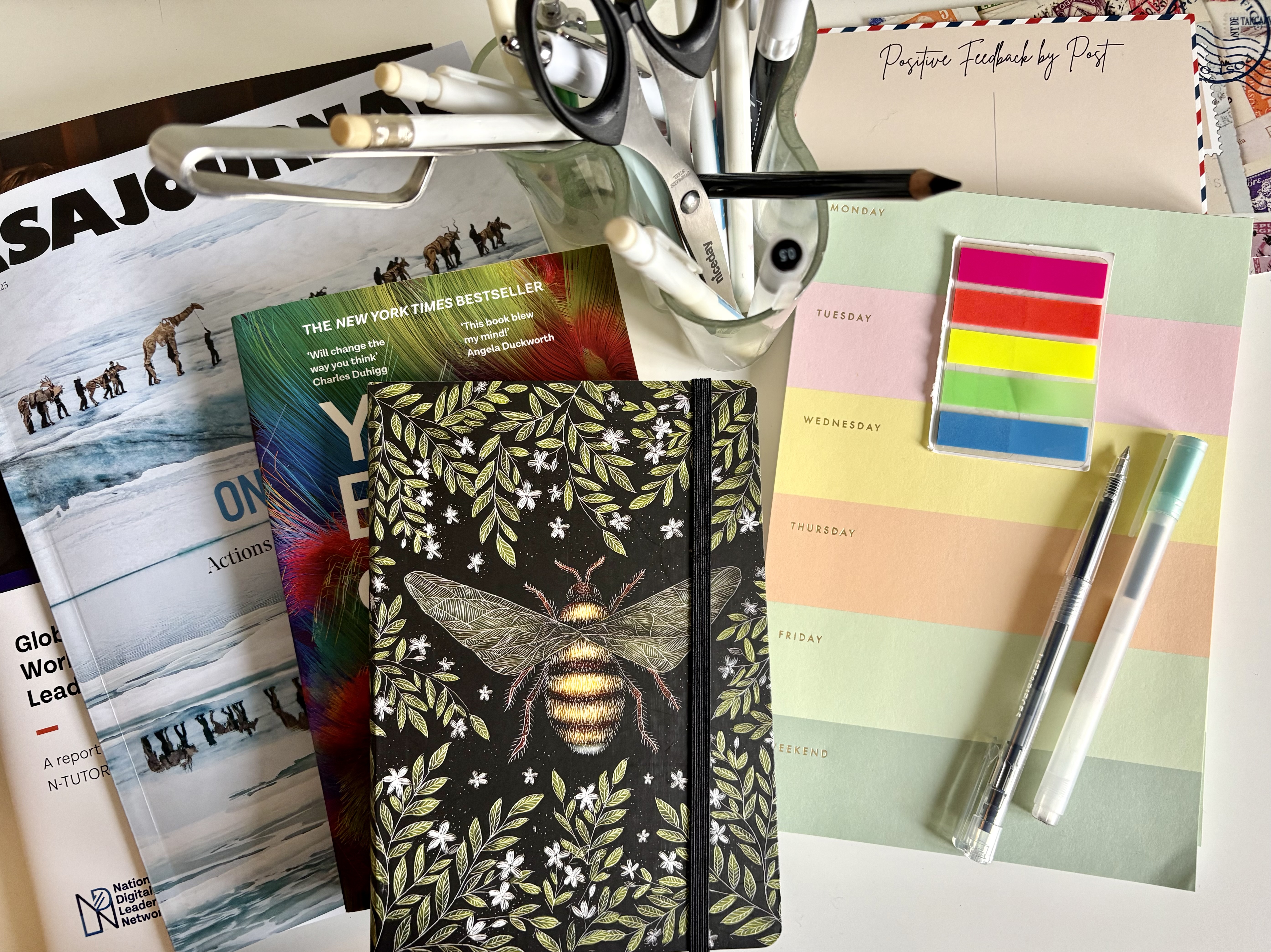
    In order to translate this approach into a work context, all you need to do is to swap the contents of the bag or basket. Here is what that might look like:

    • pen and paper for making notes
    • post-it notes for reminders and planning
    • coloured pens/whiteboard markers if you have a bigger surface available
    • a planner or diary for longer-term perspectives
    • printed trade or research journals to catch up on what’s new
    • a book, such as a technical manual, non-fiction or a biography for inspiration

    You’ll likely already have such things around your work space. The purpose of the bag (or basket, desk drawer, dedicated shelf or similar) is to make sure all of these are easily available to you, rather than lost in a forgotten drawer somewhere. Use the bag to offer inspiration and practical ways to get started with planning, reflecting, strategising or research as soon as you step away from the screen.
  • Start the year with a DONE list

    Start the year with a DONE list

    January is usually a time for planning for the year ahead. Whether at work or at home, there’s a whole year of goals yet to achieve stretched out in front of us, and I find that can be a little bit overwhelming. Whilst I am a fan of planning ahead, with so much to do, and only a finite amount of time and energy to do it with, I find I need an antidote to the madness of January’s resolutions and good intentions. In short, I am looking for a source of fresh inspiration and motivation.

    I first came across the concept of a “Done List”, in this article by Oliver Burkeman: What if you’re already on top of things? . I’m a fan of his thinking on productivity, and this sense that often we start the day (or year) with a sense of what he calls productivity debt, which he describes as “this vague sense that I’m falling behind, and need to claw my way back up to some minimum standard of output. It’s as if I need to justify my existence, by staying “on top of things”, in order to stave off some ill-defined catastrophe that might otherwise come crashing down upon my head.”

    The other aspect of a “Done List”, a list of things already accomplished, which only grows as the days pass, is that it helps you notice what you achieve before moving on to the next thing. I came across this interesting article which goes more into it: Forget To-Do Lists. You Really Need a ‘Got Done’ List in Wired. So, for me, keeping a Done List has become a great strategy for bringing a little more joy into the start of the year, and also helps foster more reflective and creative thinking, and that in turn often helps me get the more important things done more easily.

    How to…

    If you’d like to give this a go for yourself, just use whichever tool you usually use for making a to do list, whether that’s a notepad, a digital document or dedicated app.

    Some productivity apps automatically disappear a completed task, which is helpful when you have a lot of different priorities to juggle, but it also means that you don’t get to see everything that’s been ticked off the list already. So in order to try this approach, you’ll need to make sure that everything already accomplished remains on the list and legible, instead of getting struck through or hidden away. Instead of having a list that looks something like this: Things I have accomplished!, you are looking to create a list more like this:

    Things I have accomplished!

    1. Started a DONE list
    2. Made a folder in which I keep positive feedback
    3. Filed CPD certificates
    4. Made a list of how I volunteer as a reviewer, mentor or conference committee member

    You can start with things you have done today, things completed this week or even keep a running list of things that are DONE throughout the year. In the podcast episode about this tool I share more examples of how I have used the tool, why I find it valuable and how it inspires my leadership practice.

    Listen on Apple Podcasts

    If imposter syndrome or low confidence insert themselves and you worry that you may not have anything worth adding to your list, then try this strategy: instead of thinking about what might qualify as good enough to add to the list, add everything you have done today or this week. This list is just for you, after all, and no one else needs to see what you add.

    Once you start listing activities, just keep going and make a list as long as you can, adding everyday things you have done. Even things that don’t feel like an accomplishment take energy and time to do, and thus they can be added to the list.

  • Office Party for One

    Office Party for One

    It’s the season for office parties, and I am in a festive mood. In this holiday-themed post (and on the podcast, too), I want to share a few of the ways in which I reflect on, celebrate and end the year. If you are a fellow freelancer or small business owner, you might find inspiration for your own celebration here.

    Like you, I’ve been to a lot of office parties and work do’s, and most of them weren’t all that festive and bright, but some years it all came together and we had a lot of fun together. So in my “Office Party for One” I’ve tried to keep the best bits of what I enjoy and add my own twist of reflective spirit to come up with a end of year celebration that brings me joy and is highly practical, too.

    Party hat optional.

    Reflect

    All of my rituals for the end of the year start with reflection, either on the blog, or in conversation or written down in my progress reports. If you’d like to play along, here are some of my favourite reflective prompts for the end of the year:

    • What do you remember most?
    • When did things not go as planned?
    • How have things shifted over the past year?
    • What do you want to take into the new year?
    • What can be left behind?
    • What do you want more of in 2026?

    Most of the time, just clearing the decks feels like a win as work starts to compete with preparations for the holidays, so I set aside dedicated time to try and capture and reflect.

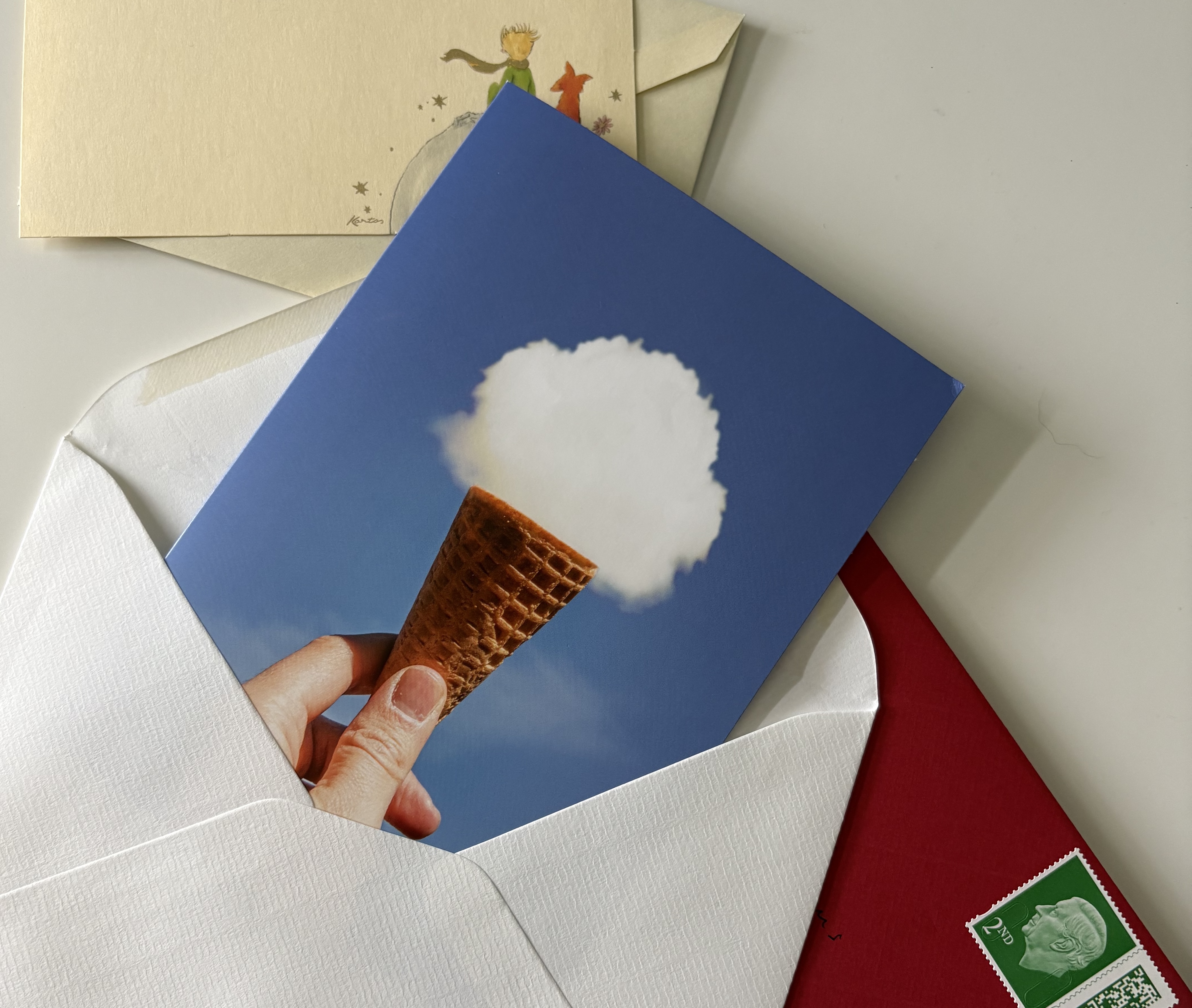
    One of my favourite activities is to go through my emails and social media and file away any positive feedback or inspiring interactions I’ve had (for which I keep a dedicated folder). Sometimes that includes more formal feedback, from workshops I have run or from coaching clients or project evaluations, and often it also includes personal messages, like a meaningful thank you note or encouraging DM.

    I also file away certificates or details about any professional development I’ve done, ready to refer to when I big for new projects or renew a professional certification.

    Once the reflection is done, it’s time to celebrate.

    Celebrate

    One of the biggest joys of being my own boss is that I get to decide what to do for my office party, and whom to invite. Some years, that means it’s just me, a good book and a warm cosy evening in front of the fire. Or even an early night. Some years I venture into the city and enjoy a festive afternoon or even a night out. Often my husband gets an invite, and we join forces for our “office party” and exchange small gifts, Secret Santa style.

    Remote working has so many advantages, and I generally love running my business from home. That said, joining in with festive fun, and feeling the buzz of people, the glittering street lights and the enticing smells of Christmas market treats makes an end of year celebration a lot more fun.

    End the Year

    The end of the year is my quietest time of the year as most of my clients and collaborators down tools. I take advantage of no longer being the one whom everyone calls in case of emergency, and so I take a week or two completely off, to rest, recharge and spend time away from screens.

    Sometimes I use the time to make progress on creative projects (my book in progress is looking at me, demanding my attention) and sometimes I just switch off and use the time to get outside, play games and cuddle the dogs.

    My OoO auto-reply goes on, my inbox goes quiet and I tidy away work for another year.

    I’ll be sharing my end of year reflections in the next post. What will you take away from 2025?

    Happy Holidays!

  • Choose your own adventure

    Choose your own adventure

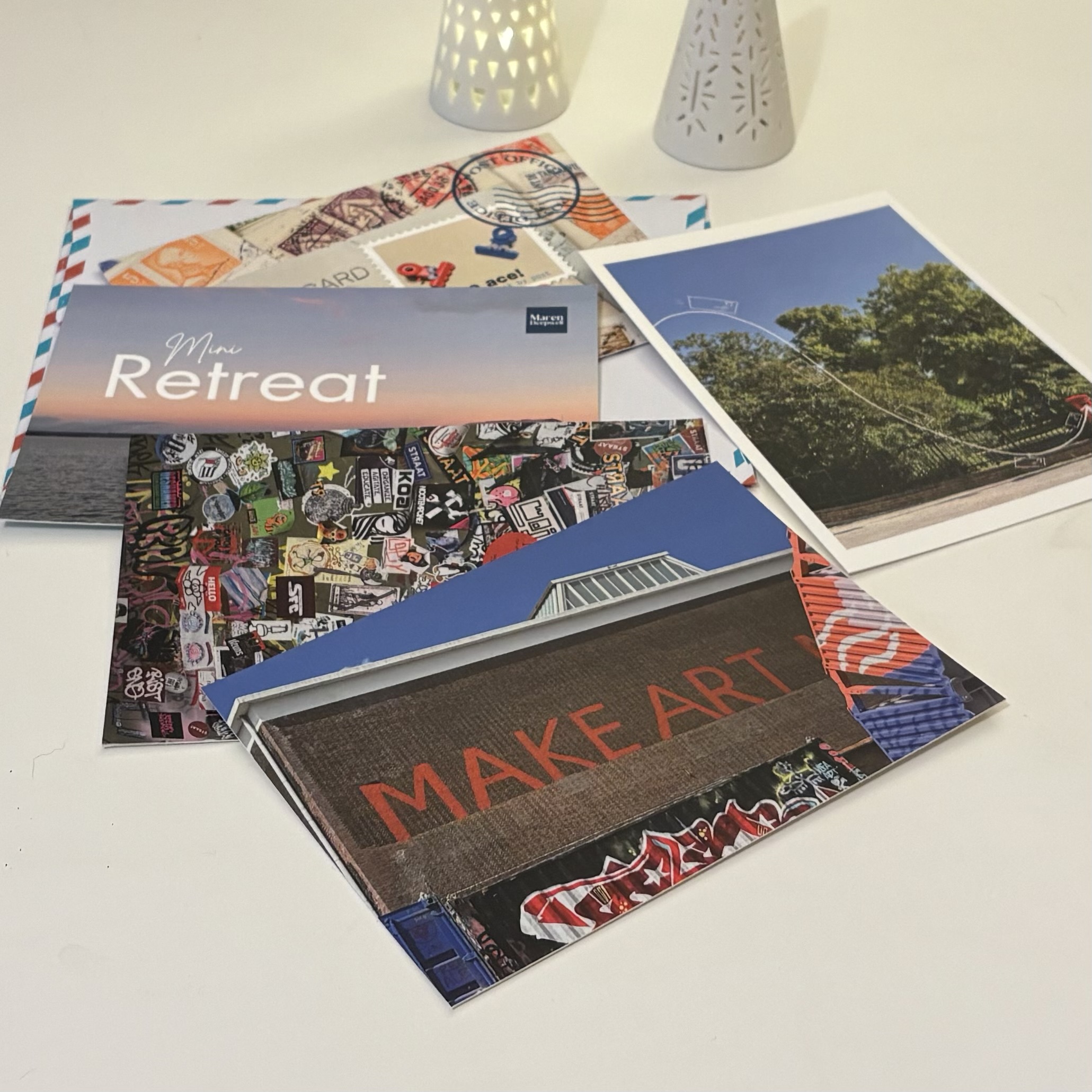
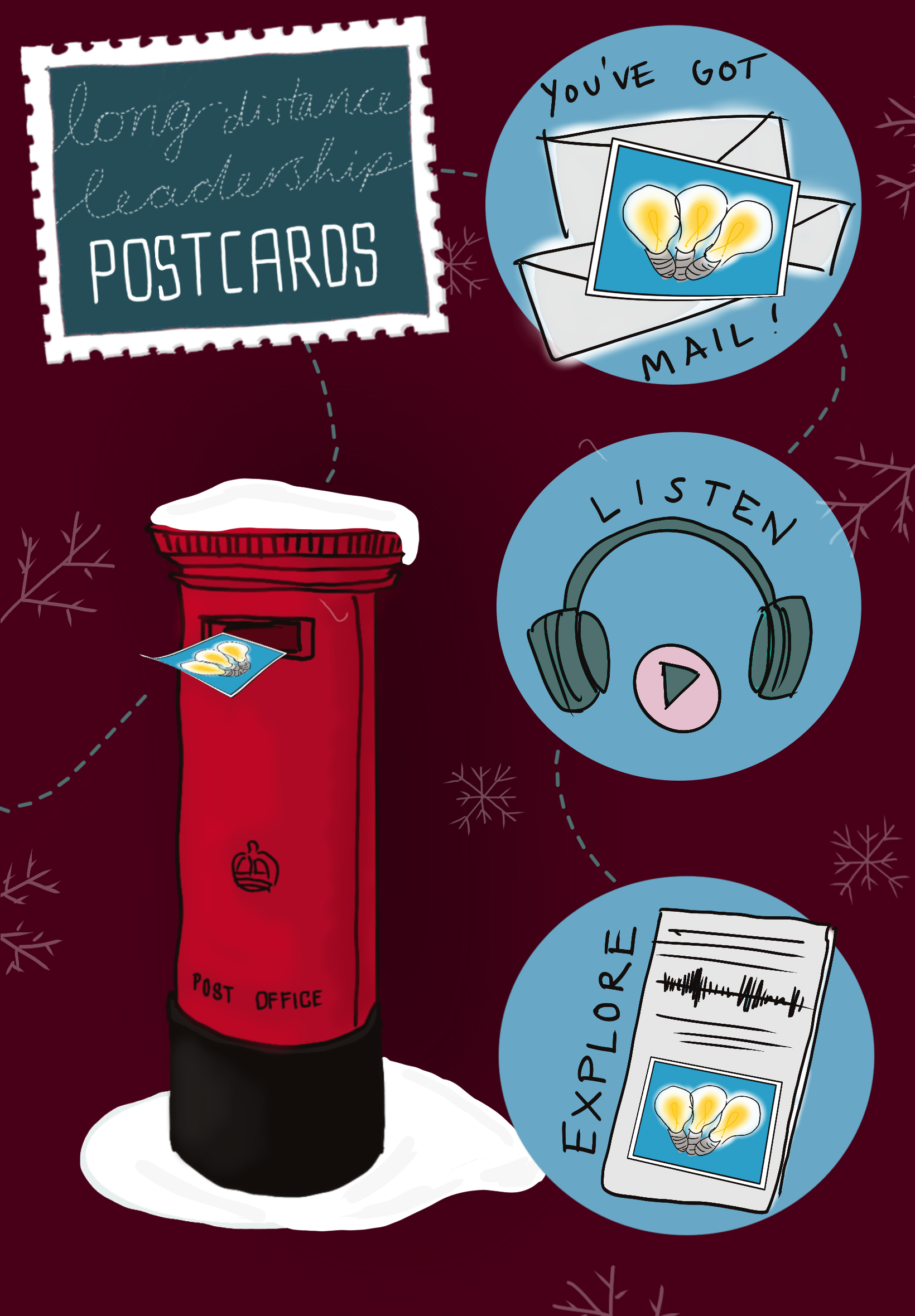
    This month, as a little gift from me to you, you can join in with my leadership coaching subscription service, AKA Long Distance Leadership Postcards for free. I’ve made December free for all to access, and this month’s topic includes three free resources to explore.

    Whether your 2025 has been busy and productive, or brought unexpected challenges, whether you are getting ready to rest or just about to set out in a new direction, I have designed this month’s coaching moment by mail to offer new inspiration and encouragement by focusing on your creativity, develop leadership capability or clear the decks with increased productivity.

    Over the last 12 months we have explored 11 Long Distance Leadership Postcard topics around creativity, digital wellbeing, productivity and leadership development. To celebrate the end of the first run of Long Distance Leadership Postcards, you get to choose your own topic – or explore all three! Whatever you choose to do, enjoy and take care as we close out 2025.

    Christmas logo for Long Distance Leadership Postcards

    Your guided tour

    If you’d like to get a guided tour, tune in to the episode below in which I walk you through each resources and how they could be useful to you. Enjoy!

    Coaching in 2026

    I’ve loved coaching with you this year and I am already looking forward to the new year. If you are curious about coaching with me, get in touch. I have some space opening for spring and also new pro bono sessions available if you’d like to try and give coaching with me a go for free.

    You can find out more about how I work and what my clients say about working with me on my coaching pages.

    Sign up to my free monthly newsletter to get new resources straight to your inbox.

    [newsletter_form type=”minimal”]
  • Co-Leadership: Fruits of Collaboration

    Co-Leadership: Fruits of Collaboration

    At the moment, there are a lot of senior leaders moving jobs, either switching to new organisations, moving to a new sector or setting up their own businesses. Many of the clients and communities I work and connect with are thus having to navigate change at the most senior level, and get through transitions in leadership and out on the other side again.

    Whilst these types of transitions are never easy, they also bring opportunities to re-imagine what leadership might look like and I am excited to see more organisations exploring less traditional models of leadership, including co-leadership models. Sharing the responsibility of leadership has many advantages, such as two individuals combining their strengths and skills to lead an organisation, resulting in better decision-making and accountability. It’s also a wise strategy for small organisations, especially non-profits, who need to create a more resilient leadership model, and manage risk.

    From a personal perspective, having served in my first CEO role for over a decade in a solo capacity, I think one of the great advantages of co-leadership is that it can make it much less lonely, offering support and trust for each co-leader, and hopefully leading to less burnout and more collaborative decision making.

    One of the areas in which this can be more challenging however is building relationships with staff and members of the board. Especially when times are as uncertain as they are just now, leading change and bringing people with you requires a lot of personal investment, it requires trust and close communication, which means that you need to spend more time on how you get the job done, not only on getting it done. There are a range of conversational approaches that I have used to create the space needed to do just that, including senior team days (in person and virtual), walking conversations and joint blogging.

    If you’re exploring co-leadership approaches, get in touch. I’d love to hear about your experiences. If you are just getting started or looking for fresh inspiration, you might be interested in the podcast episodes below.

    Listen to co-leadership conversations

    One of my favourite interviews to record was this conversation with Marcela Morales and Igor Lesko, Co-Directors of Open Education Global:

    I loved learning more about a co-leadership model they use to run their organisation and how they approach open leadership. It was especially interesting to hear about sharing documents and folders, as an example of very practical ways of embedding openness in their operations. This seemingly small gesture is transformative and symbolises the way they set an example as leaders.

    There are a number of episodes from the past two years that focus on co-leadership and collaborative approaches, including the episode that kicked off the trend, with long term collaborator and colleague, Martin Hawksey, in which we revisit our long term project blogging about leading virtual teams.

    Interested to learn more? Subscribe to my free monthly newsletter 🙂

    [newsletter_form type=”minimal”]
  • Coaching moment: Focusing energy

    Coaching moment: Focusing energy

    This time of year always feels busy, with so much going on, and yet it’s also a season when there’s less daylight time, and colder months are starting here in the Northern Hemisphere. Whether at work, in leadership practice or in relation to personal goals I often have conversations with my coaching clients about wanting to accomplish more whilst feeling that there is less energy.

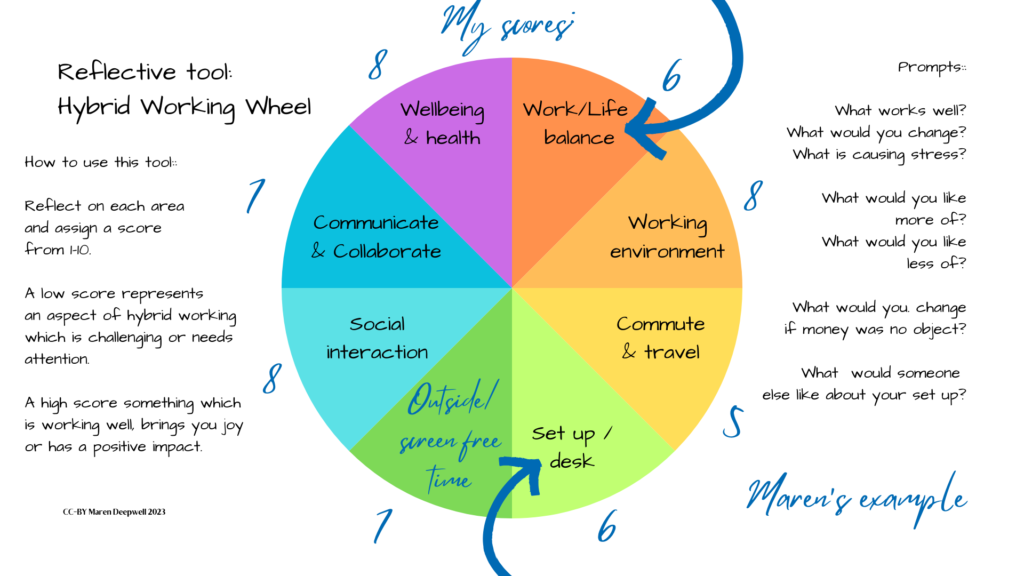
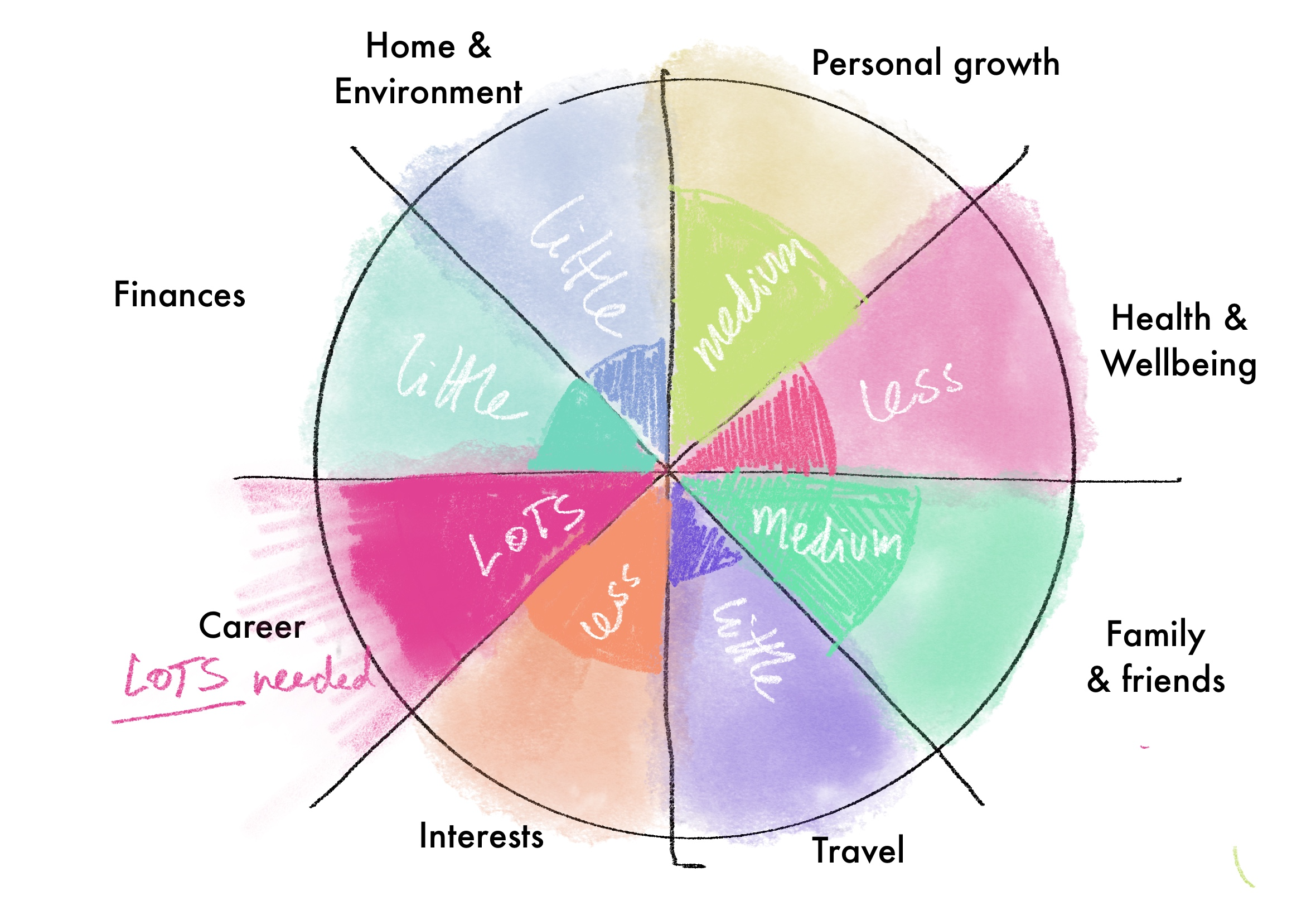
    One of the tools I find really helpful to think through these kinds of moments is a remix of the Wheel of Life (a popular coaching tool used to reflect on different priorities). I find this tool very versatile, and have adapted it for example in the context of hybrid working. In my work coaching leaders and managers, we use this for quick self-assessment that always offers some new insights. If you’d like to give the hybrid working version a go, there is a dedicated episode of my podcast complete with resources you can check out.

    Example of the Hybrid Working Wheel resource

    Identifying priorities and focusing energy

    Typically however the focus of this exercise is on assigning a score reflecting how things are currently going, and then reflecting on these, e.g. what was easy to score or hard; what scores feel satisfactory, and which don’t and so forth. It’s designed to help identify priorities, and to check in with how things are going. What I find especially helpful at this time of year, however, is to focus more on what energy I have and how I want to spend it between now and the end of the year. This small shift in emphasis opens up a different reflective frame and I use a basic template of the resource to help do that.

    In the example below, I have used general categories to reflect, using darker shading to indicate in each area how much energy to spend. It can be hard at first to recognise that there isn’t enough energy to spend maximal effort on everything, all of the time. Often what happens during this exercise is that we can identify several areas which can be maintained fairly easily, and find one or two areas which require more energy. That helps giving a sense of not being as thinly stretched and instead focus energy where is really matters. I have used the terms “little” or “medium” but you could also use a number scale, i.e. energy out of a max of 10 for example.

    Example of a completed Wheel of Life with energy indicated.

    Reflective prompts

    If you’d like to give this a go yourself, here are some reflective prompts to get you started. There are not listen in any particular order, but simply designed to help get you thinking.

    • What areas can be maintained with minimal energy?
    • Where do I spend most energy?
    • Where does my effort have the biggest impact?
    • What can I do less or pause?
    • When do I next have time to replenish my energy?

    Don’t miss future resources. Subscribe to my newsletter!

    [newsletter_form type=”minimal”]