I feel very lucky to continue my work with the awesome team at Reclaim into summer, and this month I have bagged myself one of the best pieces of work going: a conversation with Bryan Mathers all about that unique vinyl aesthetic and the brand new venture that is ReclaimPress.
Over the last 10-12 years I have had the privilege of collaborating on many projects with Bryan, and I deeply appreciate his listening skills, his creativity and his grit. He recently ran the London Marathon and showed once again that once you put your mind to something, a lot indeed can be achieved.
Every one of our conversations helps me reflect and leaves me inspired. So, yes, when there’s an opportunity to talk about how Reclaim’s aesthetic has developed from the early days of record stores and vinyl covers to the newly minted ReclaimPress, I jumped at the chance.
I’ve already blogged about it on the Reclaim Blog, but I didn’t want to miss the chance to also shout here about our upcoming Reclaim TV session:
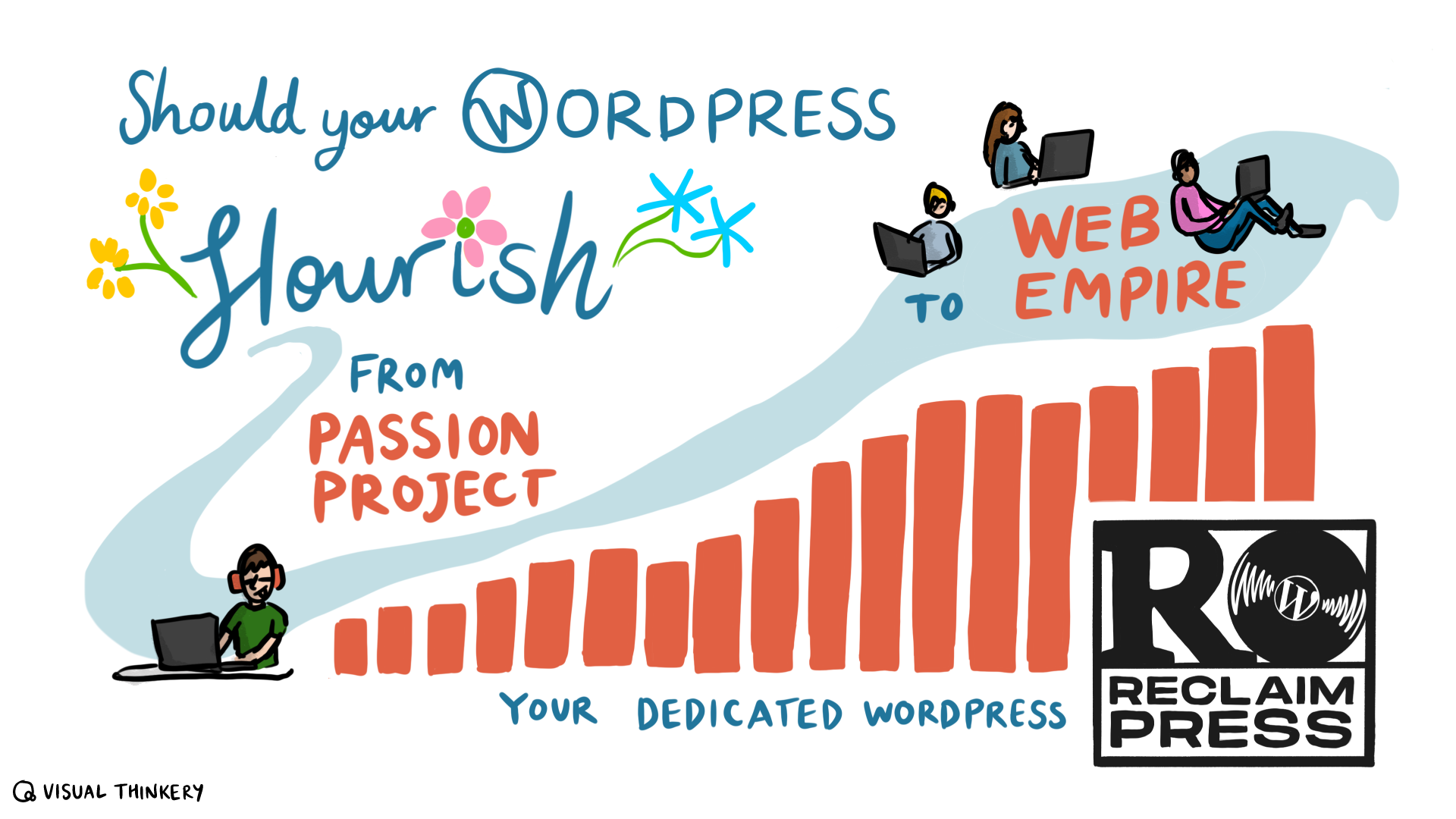
Join us on Friday, May 17th at 3pm GMT / 10am ET for a very special conversation, a peek behind the scenes of the creative process behind the stunning visuals… and a chance to join the beta programme for ReclaimPress, too. Watch the stream over at Reclaim TV, or catch the recording later on archive.reclaim.tv or our YouTube channel as we go from passion project to web empire… . See you there!
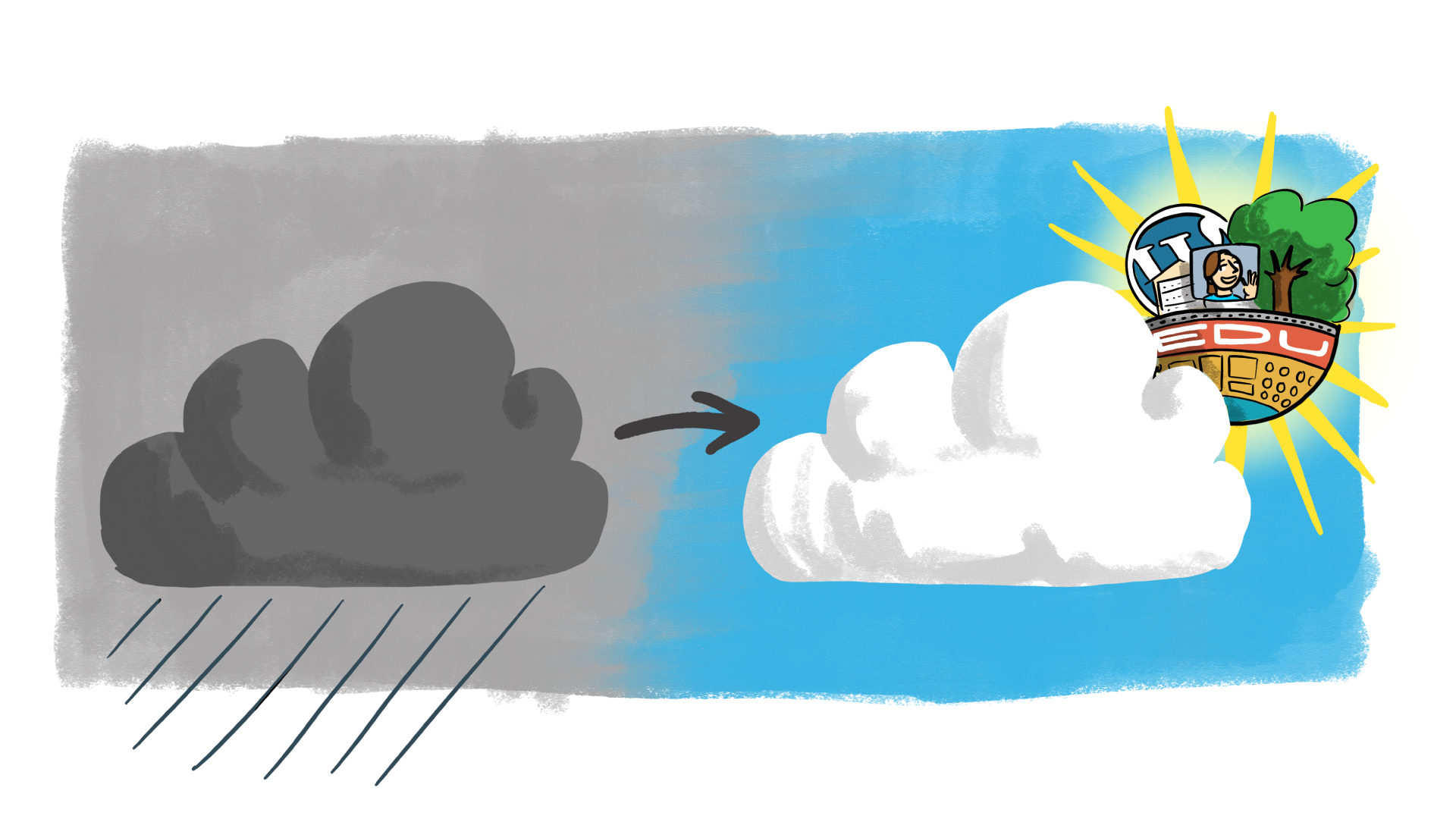
The recent launch of ReclaimEDU has got me blogging… always a good sign.
Now, working with the team at Reclaim has many perks, one of which was to learn more about this new offering before it was even launched. Jim talked us through it in the way only he can, and although I am learning more about the technology that makes this all possible what really did grab my attention immediately was the artwork.
I love the work Bryan has created with Reclaim Hosting for nearly ten years now and this ReclaimEDU launch is a great example of why it is so powerful. You don’t really need the words to get the idea. ReclaimEDU feels like a long way down the road from the origins of Hippie Hosting more than a decade ago… but many things remain constant. And one of those is that it continues to be is meticulously informal. That’s the bit I am particularly interested in.
Meticulous informality is a phrase that Martin Weller coined in 2019, in relation to the ALT Annual Conference. In the years since, and as our professional relationship turned into a personal one, we have often come back to the concept in our conversations and found it helpful in describing something we both value about a certain way of working, particularly since a lot of our interactions are happening online nowadays.
So what does it mean to be meticulously informal, and why do I think it matters? Let me try to explain what it means to me:
In the context of event planning, for example, I would describe it as a result of planning ahead so well that on the day you can lean back and enjoy it, knowing that you have most eventualities covered and can deal with any impromptu things that come up. It also means treating the individuals whom you work with not as generic actors in the event (the keynote, a panel speaker) but take into account their context: someone coming from far away who’s not been in the country before, someone who’s never given a keynote before, someone who’s nervous… and so on. It’s also about being present. Walking the walk. And that takes a lot of emotional energy.
I’ve been lucky enough to be at some events that really encapsulated that balance perfectly (yes, I am looking at you, wonderful OER Conference) and yet events aren’t the only place where meticulous informality matters.
When it comes to hybrid working, it really makes a difference, and it’s not something you can fake. When it comes to meticulous informality, people can tell whether you are going through the motions or truly making an effort. Effort is the operative word here as a meticulously informal workplace takes a lot of it. It’s no accident that one of the flex courses Reclaim’s Edtech team ran was all about hybrid working. I came on board to work on this course because we were interested in exploring all the different ways in which we can foster those interactions and habits that create a sense of meticulous informality in a team.
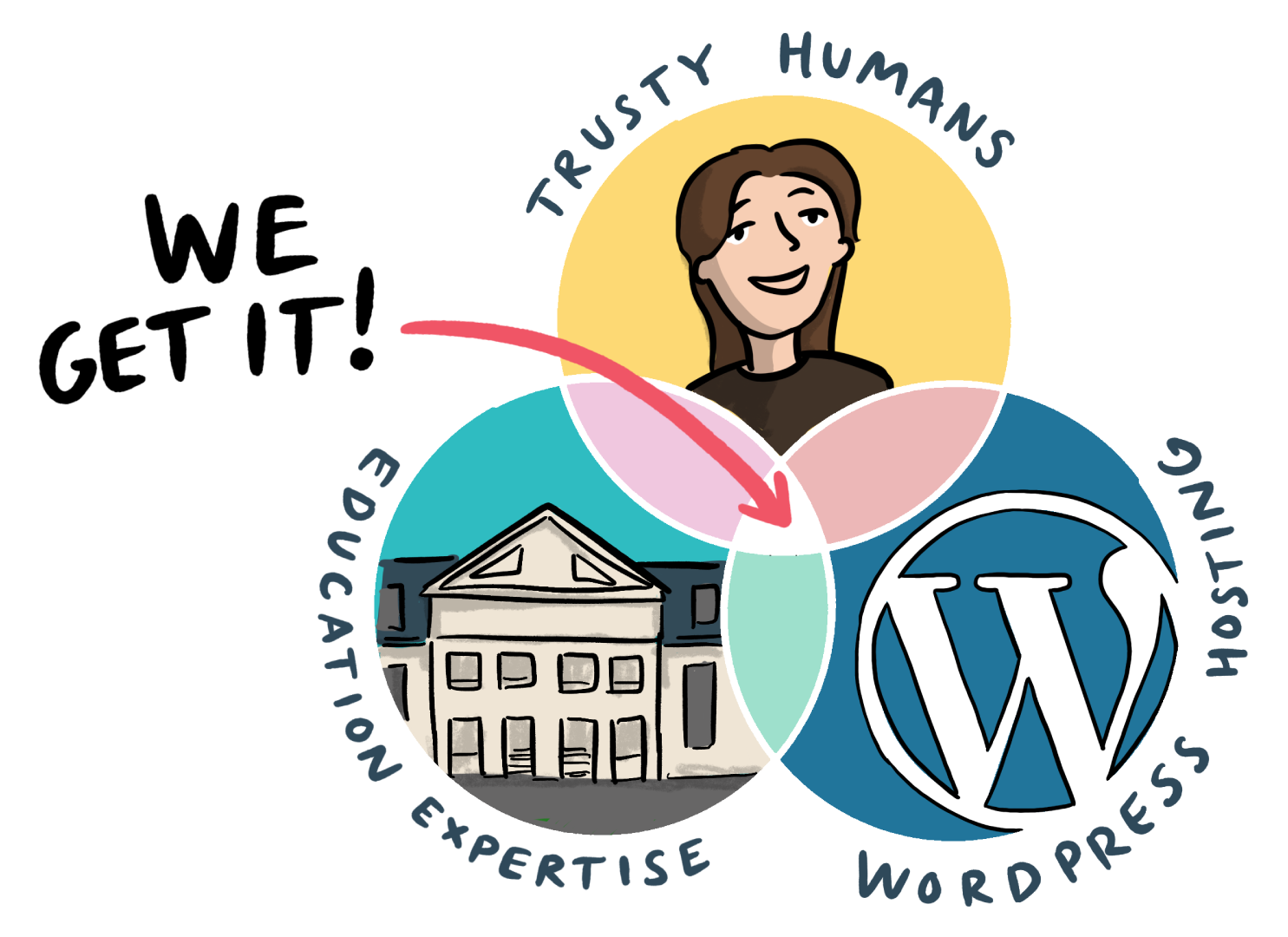
Which brings us back to Reclaim Hosting itself, where this kind of thing is not only valued but also shaping force that is reflected in everything the company does. After all, how many hosting companies do you know who get their team to sit around a drawing pad with Bryan Mathers as a first step to launching a new service (a service, incidentally, that as far as I can tell is needed because clients want to put more and more high level sites onto infrastructure they trust working with people who get it – people who are meticulously informal not only when they answer support tickets or chat about blogging on Discord, but also when it comes to designing new flagship services).
Incidentally, Visual Thinkery, where the process is in many ways more important than the eventual (amazing!) output, is another example of meticulous informality at work. What makes it work in both cases is a mixture of incredibly hard work (and a good measure of genius), as well as that all important understanding of why the informal bit matters. When I saw the ‘We get it!’ image above that Bryan created with the team, I immediately thought ‘Yes! They do get it!’. Yes, they are really good at what they do and they work very, very hard to constantly improve the infrastructure and support, and they also treat you like a human being, they care, they get it. (And, as an afterthought, they are human beings, too, which nowadays probably isn’t a given when it comes to supporting you with your hosting.)
It matters to me that I get to work with people who share that sense of what I think of as meticulous informality. It matters because I am more than a metric. Being more than a metric, more than a data point was the focus of my keynote for the ETUG Conference in Kamloops, Canada, in 2019 and it’s been a theme I have come back to again and again since. I see meticulous informality as a way to create that all important space needed to relate to each other as human beings, be that at events or at work or hosting your domain, and not give in to technologically determined transactional behaviours.
It’s my third week as a hybrid organisation of one, and I am enjoying the new working routine! It’s very busy and also tiring to have so many new things to deal with each day, but it’s very much what I was expecting.
What I am missing at times is of course the colleagues I have worked with for many years, and in a more abstract sense, a bit of fun and interaction that comes with being part of a team. From the research I have done about hybrid working and virtual teams, I know that it takes a lot of effort and intention. So I set about making my own fun.
Regular readers will be very familiar with Posey, my dog, who for the past three years (well, nearly) has kept a faithful vigil next to my desk. Together we get through long conference days, difficult meetings, research reports and course design. And Posey is a dog who knows how to make her own fun. Sometimes just by rolling round on the carpet in the sunshine, or with her favourite cuddly toy.
But back to Halloween and hybrid working. In case the connection seems tenuous, I think Halloween is a good example of the kind of thing that in a co-located working environment is hard to miss. Cafes and canteens may have seasonal treats or pumpkin flavoured everything. There is likely to be talk of trick or treating… plans for the holidays and so on. Interaction like the ‘Secret Santa’ gift exchange is hard to replicate when you are in a team that’s distributed across the globe or when, like me, you are a team of one.
The ‘spooky’ side of home and hybrid working is that it can often feel quite lonely or isolated. Sometimes you don’t talk to another human being all day, and when you finally step away from your desk it’s dark outside. Days can easily blend into each other into one long grey slog.
Marking days like Halloween or a change in season provides me a bit of inspiration to have some fun, be silly and join into activities that I wouldn’t usually, and which can make my day more memorable.
This year, I am organising some radio with the wonderful folk at Reclaim Hosting, as part of my work with them. Get ready for Reclaim Halloween Radio on DS106radio come October 31st! I have some small decorations in my office as well, some autumn blooms and a small pumpkin and… fun tights to wear in orange and purple. Some of you may roll their eyes here, but those of us who appreciate those things will understand. In my mind, everything that helps inject some fun into my day is fair game.
Enjoyed this post? Get my free monthly newsletter directly to your inbox.
It’s my first day back at my desk today after a two week break, and I am happy to report that both rest and fun where had! It’s been a while since I had two weeks off, and my top tip for my future self is to do that more often. One week is never quite enough to really relax, and I loved the extra days before and after travelling to Crete that the extra week afforded me.
My partner and I did plenty of reading by the pool, mini golf, gym, lazy lunches and even longer dinners, enjoying the late summer vibes and Greek produce. Pretty much every picture has me eating or drinking or my face is hidden in a book. I took five books on holiday (I prefer taking printed versions abroad), and all were devoured.
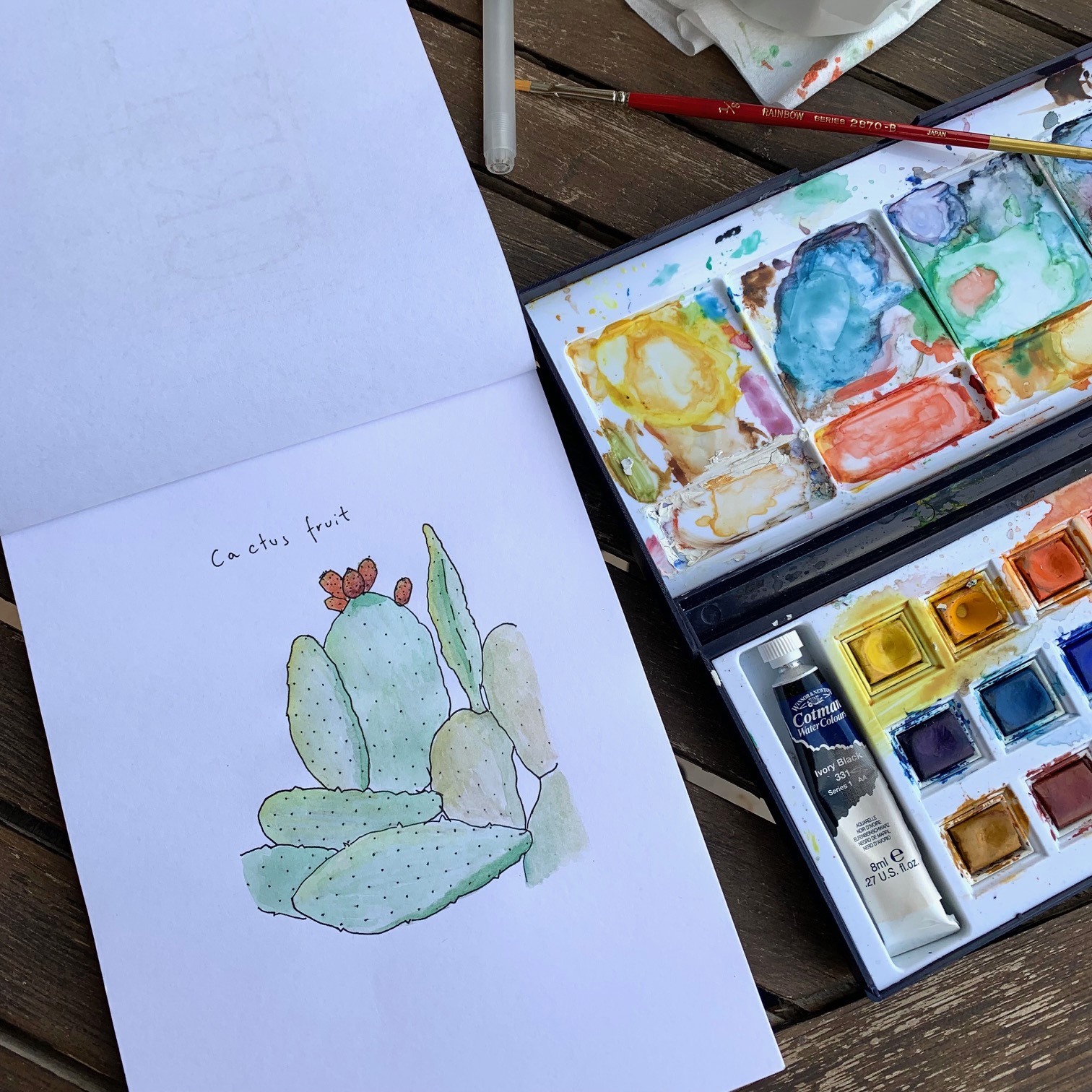
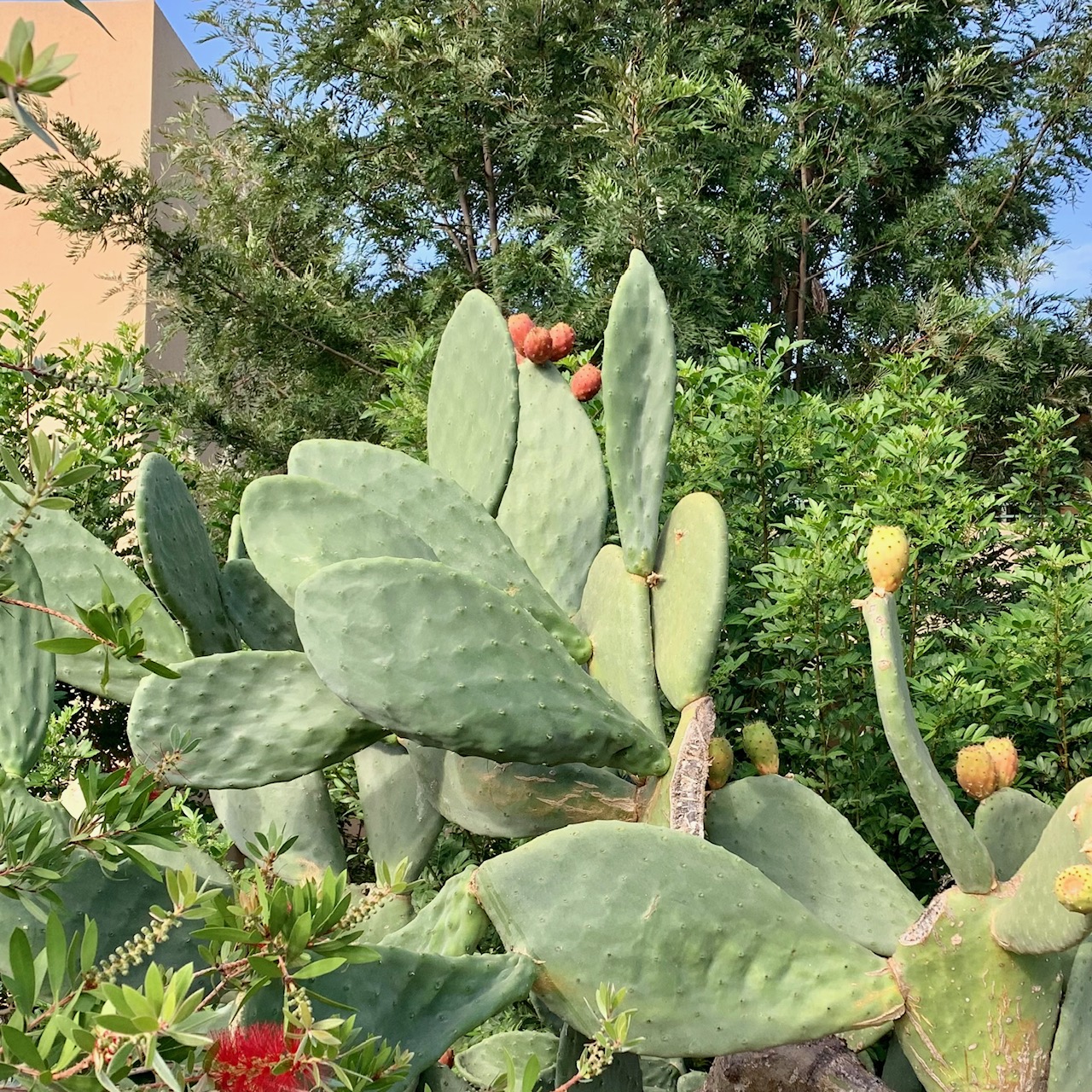
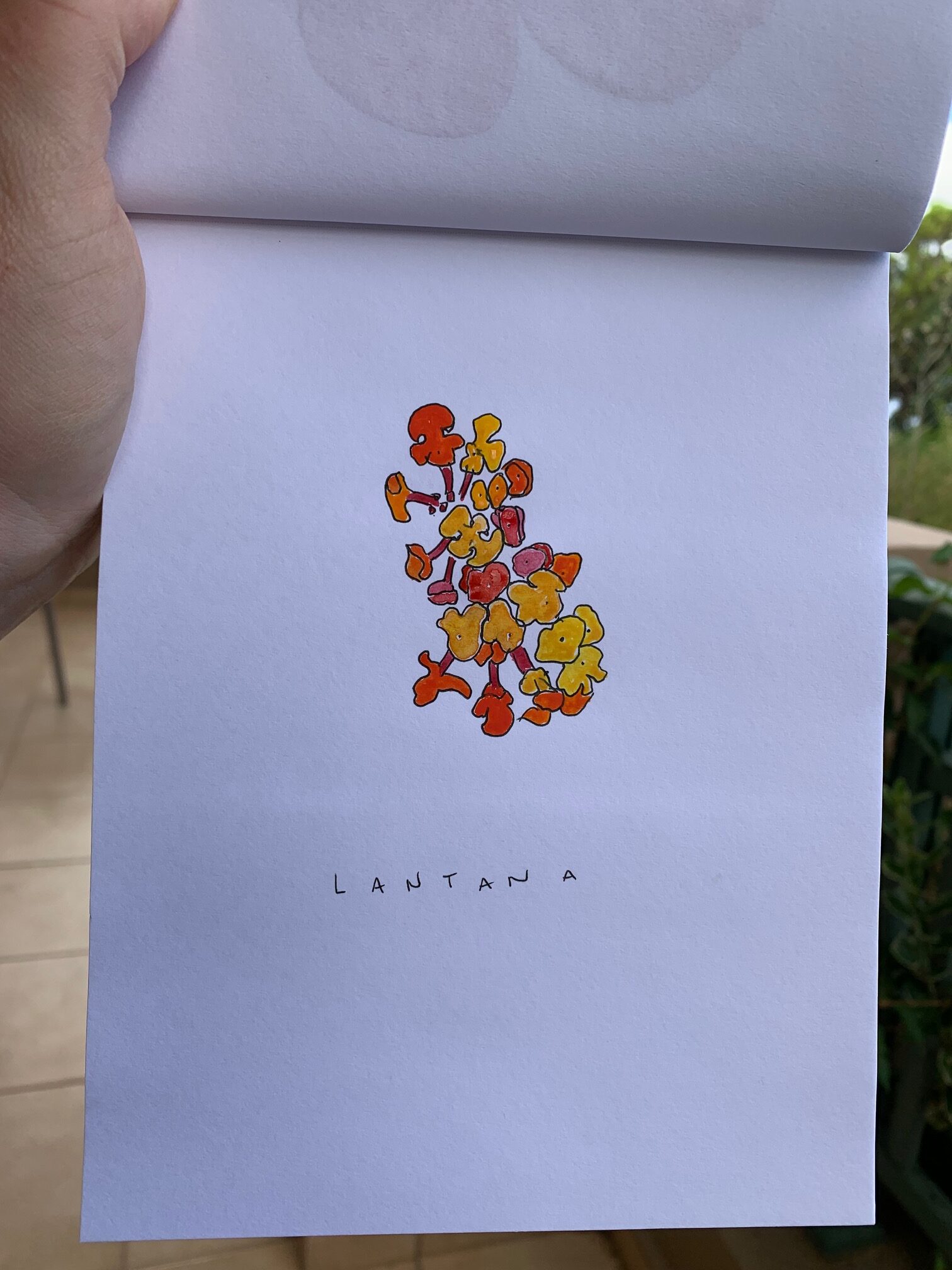
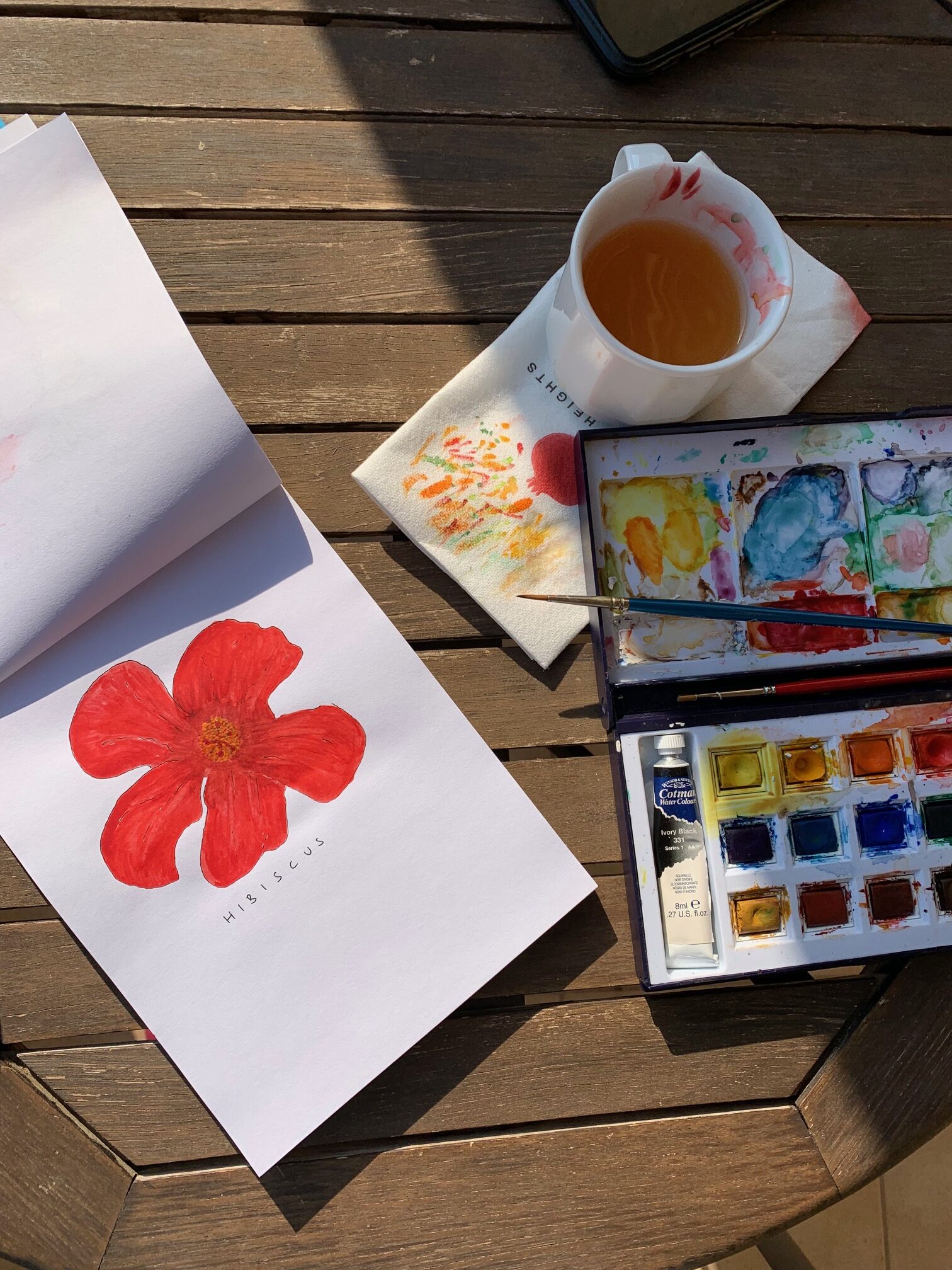
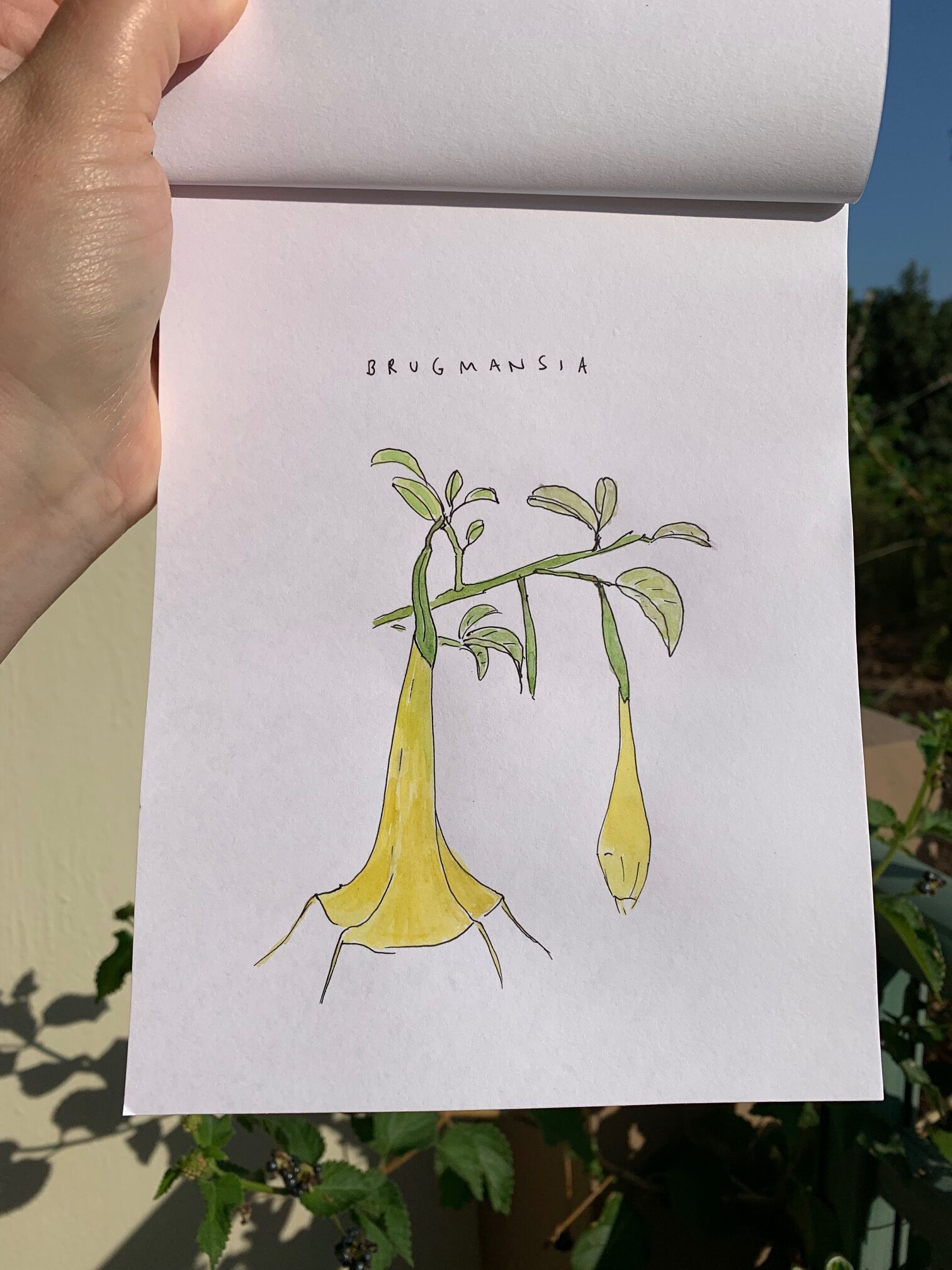
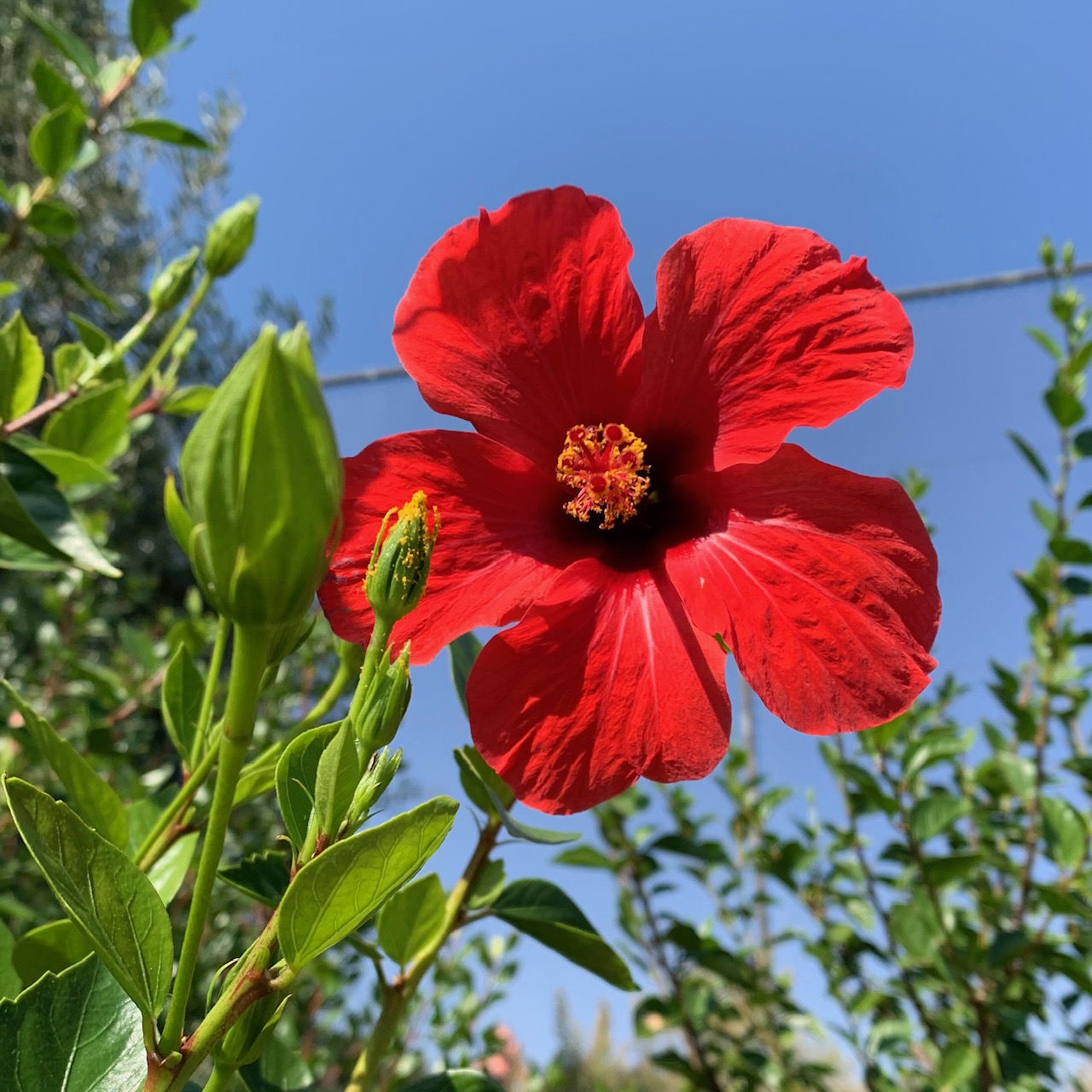
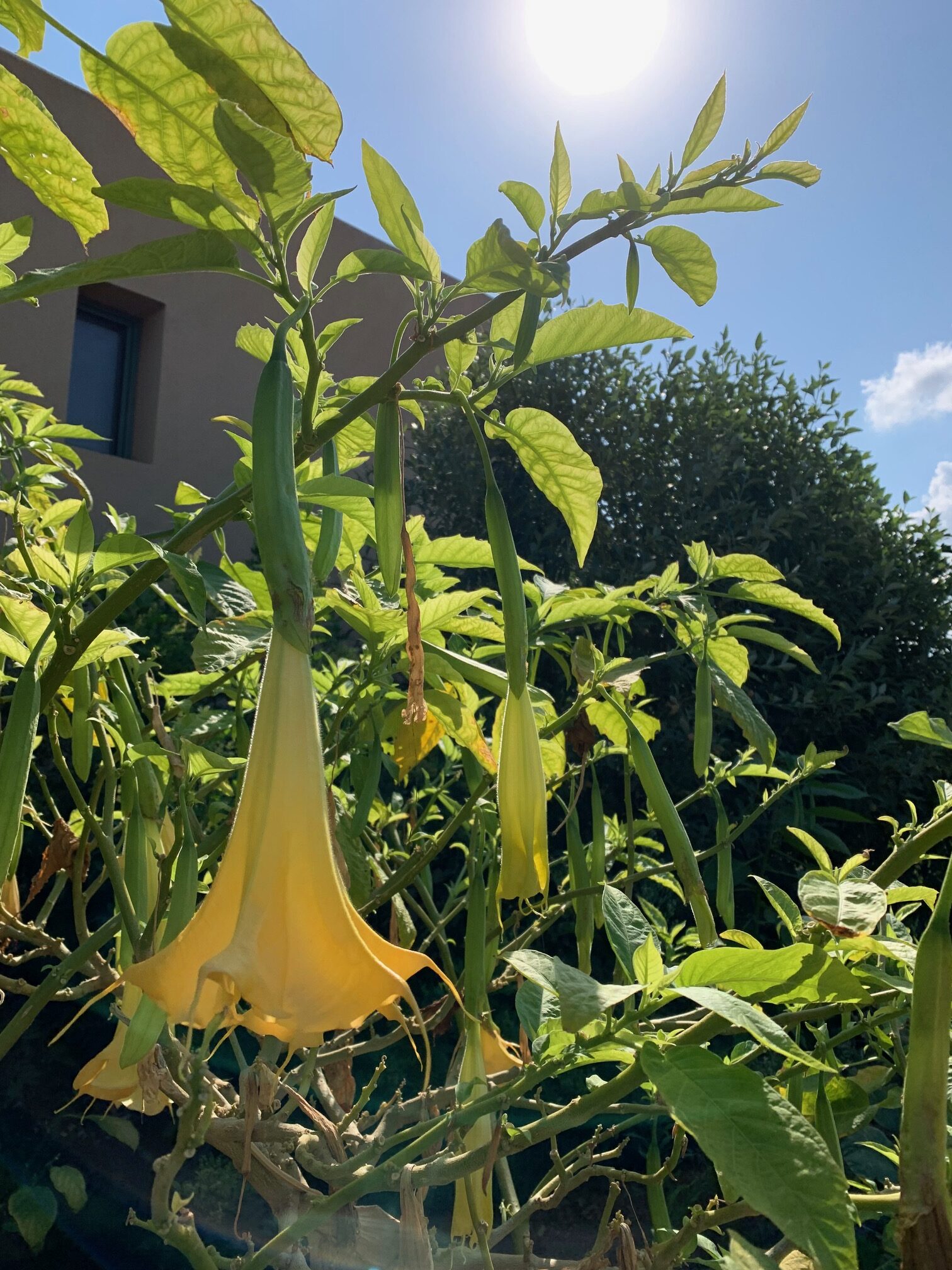
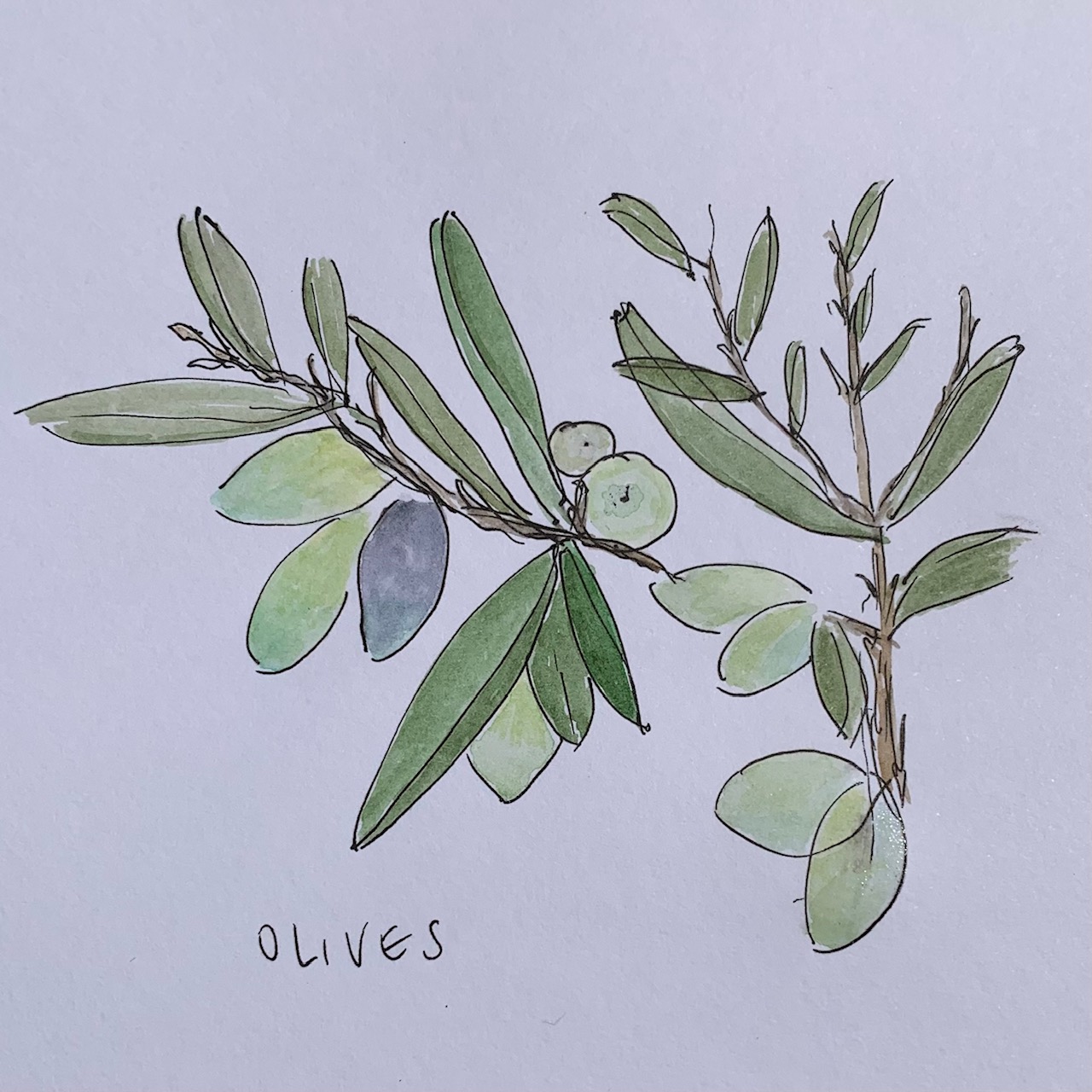
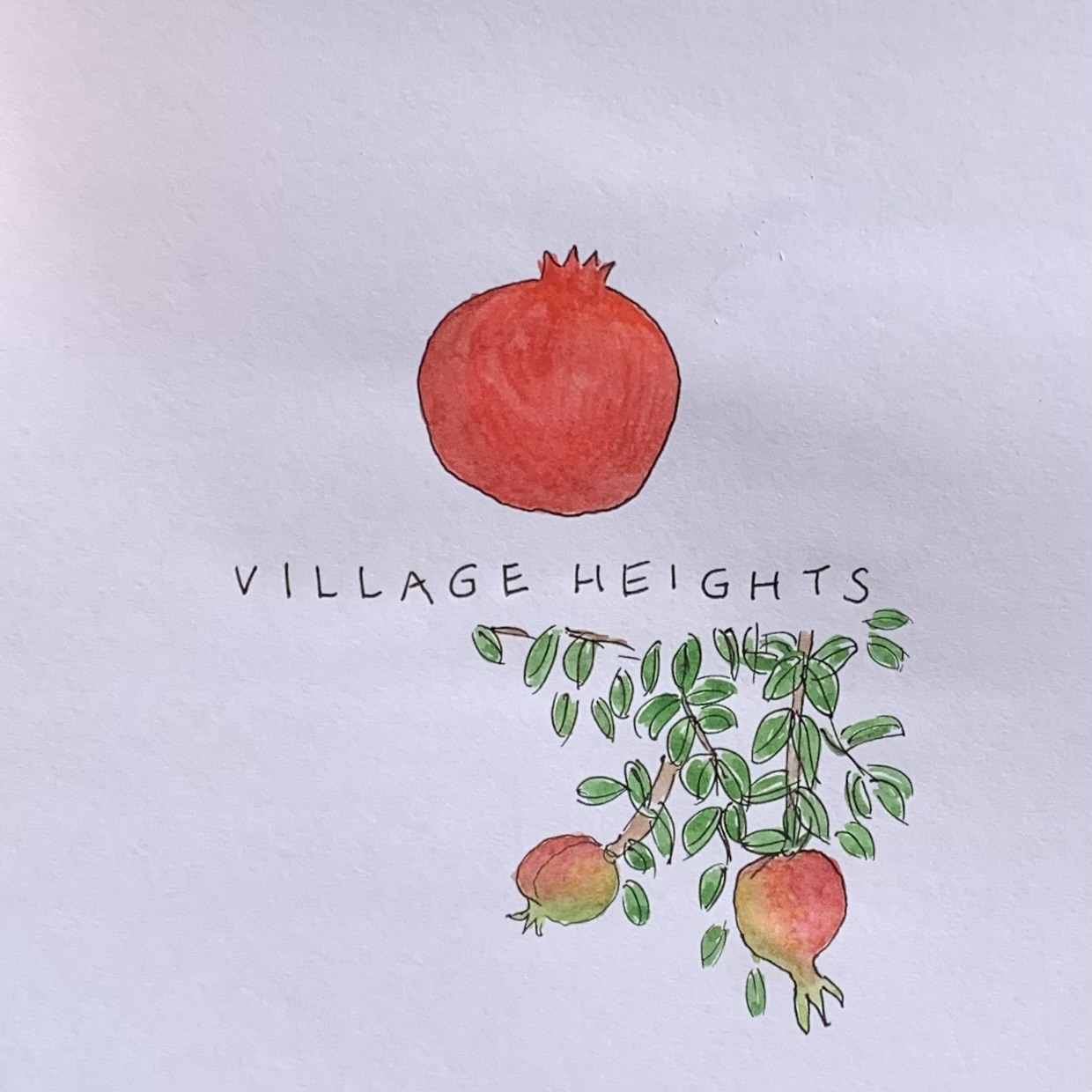
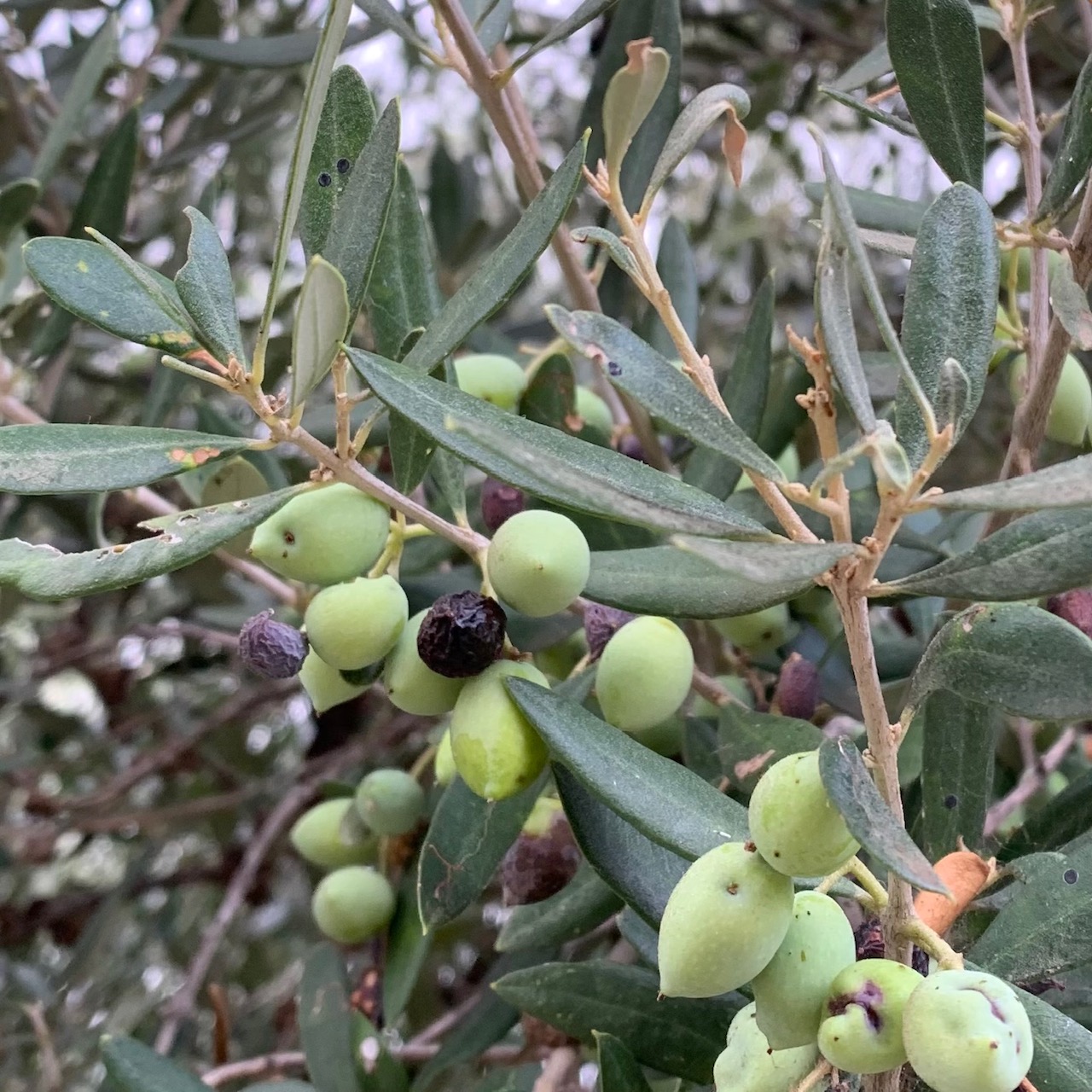
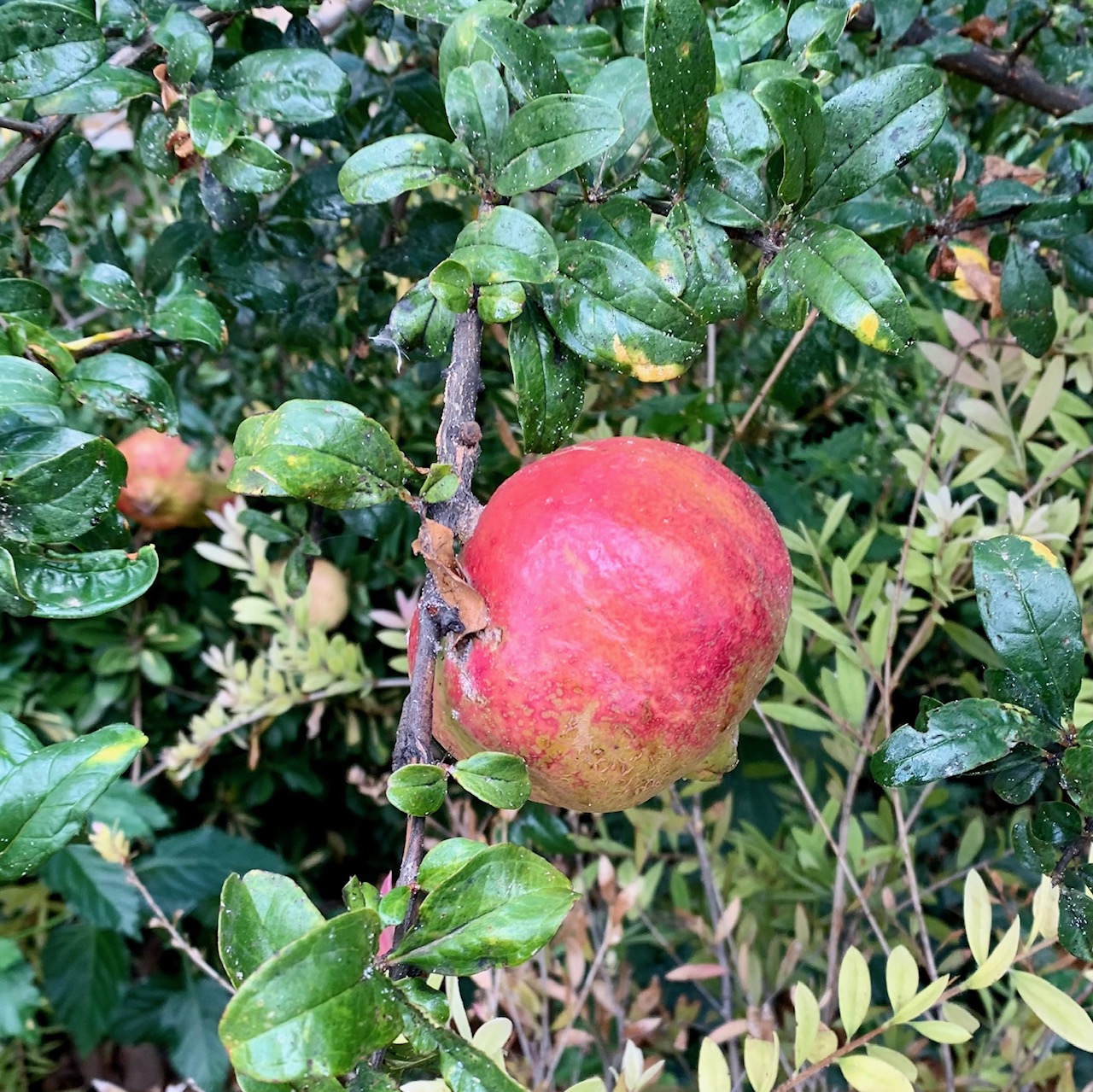
My other activity on holiday was to take A LOT of pictures of plants, and to turn some of them into water colours. Having not done a lot of drawing for a while, and I really enjoyed the creative, easy practice of making a drawing a day. It was awesome to indulge in my love of plants, and to learn more about the local plants along the way.
Here’s a peek at the result:
Now that I am back, I’m busy getting ready for some new projects, including the next run of my podcast based hybrid working course. Join us from 20th October – register free now. Keen to learn a bit more about the story behind the course and how I came to be so interested in all things hybrid and virtual working? Listen to the story which spans from Germany to London in my art school years, and from Athens to Oxford as my work moved from Art to Anthropology and then Education, this episode sets out what I think is interesting about hybrid and virtual working, why it’s important and why now is the time to really find ways of working that work for you.
Enjoyed this post? Get my free monthly newsletter directly to your inbox.
When I was a young teenager, I asked my parents for a (mechanical) typewriter for my birthday so that I could type my journal, plays and poetry – on coloured paper mostly. I didn’t have the internet.
When I was an art student, my sketchbooks had pockets, windows, some smelled of strange colours or oils I had tried out, some trailed plaster dust or were covered with fabric. I also had a blog filled with all of these things (no longer accessible).
When I was writing my thesis I had binders full of flyers, photos, product samples, stories, interviews and even dried plants. I also had a blog: now the cemeteryscapes archives.
Now, I have a private blog, notebooks of daily drawings, archive boxes of things I collect for inspiration, thousands of images, cups filled with stickers and badges, many places where I write and reflect and thanks to Reclaim Hosting I have my own domain. This blog.
This is the tip of the iceberg of the messy, constant creative process that is the way I think and work. It includes images and drawings and slide decks and links to things and stories and conversations and my portfolio of professional practice. It also has many typos, personal anecdotes, moments of my life that I have chosen to share.
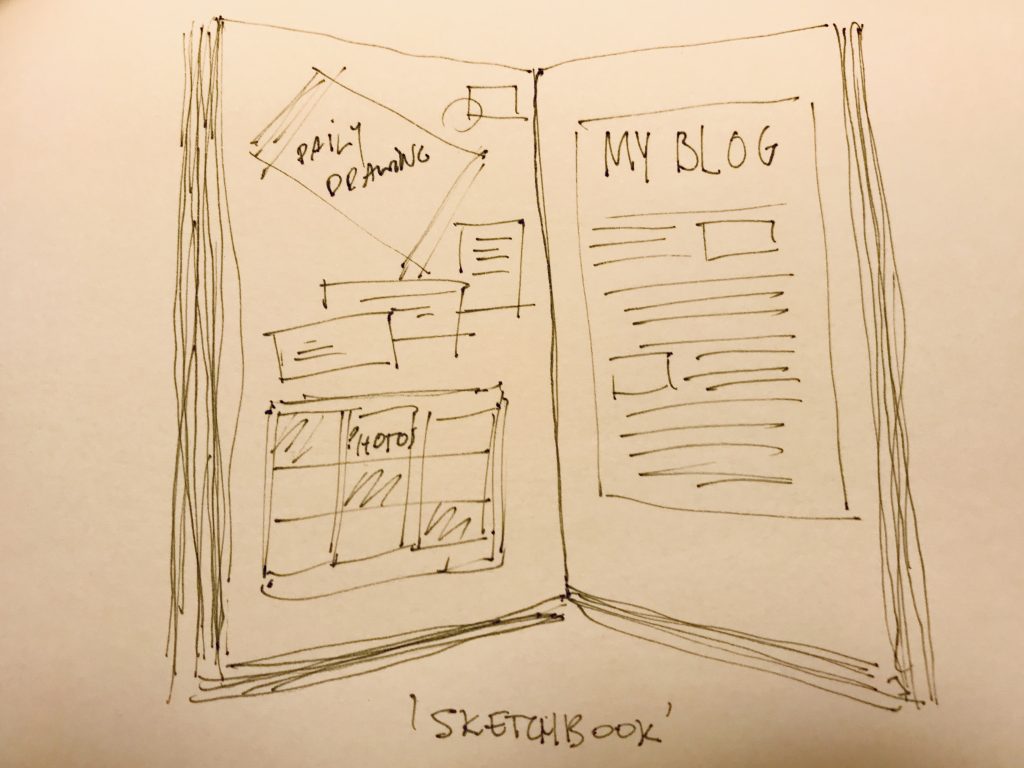
Sometimes I write on other platforms, for my organisation, for academic purposes, to promote things, to provide commentary, to inform, to share… but usually all things I do end up at least linked to from my archive, if not backed up on this site. All together it constitutes part of my ‘sketchbook’, part of my practice, the most open part of my practice. What’s important to me is that it forms part of my process, through which I am prompted to reflect, to work out ideas, to develop my thinking and that I have a record of that.
Having a record of my work is extremely useful when it comes to appraisal time, when I want to send a link to someone, when I need examples of things I have done. It also stops me from moving always forwards without looking back, without appreciating all that I have done, even if much of it is not polished, or finished or maybe even never sees the light of day. It includes mistakes and errors and things I’ve changed my mind about. I feel I have a measure of control, because it is my own platform.
Curiosity and creativity are messy. My work is, too. Much of it is not productive, it doesn’t lead anywhere, it’s not for public consumption, for others. It’s for me. When I have a good idea in the shower or when I’m out for a run, sometimes that idea ends of being part of my work in a way that surfaces, but most of it isn’t. That doesn’t make it less important. It’s one of the things I learnt to appreciate at art school. To appreciate that I can’t always tell what may be useful to know or keep or read. To value distraction and diversions and the unexpected. Blogging can be part of that.
You reading this now is a bonus.
In my view, open practice isn’t primarily for others. When I write on my own blog, I don’t write with an audience in mind unless I am writing for a specific event, i.e. a keynote transcript for example. I take an informed decision to publish, because I want to. I want to share my practice, provide insight into what I do and to add my voice to how professional practice is articulated. I want to be visible. But it’s not for others. If no one reads this, and plenty of my posts have only a handful of readers, that is fine with me. It doesn’t make it a less valuable part of my practice. I am in a position of privilege, yes. In addition, I have the resources and skills to host my own domain to be able to do this, blog in this way. But in one way or another, this kind of writing has been part of my life for three decades, from typing onto the coloured pieces of A4 paper, leftovers from my mother’s disused work folders, to scribbling into sketchbooks to years worth of post-it notes that accumulated during my research student years.
There is a famous quote by artist Rick Beerhorst about sketchbooks that describes well how I feel about blogging as part of my creative process: …”[Sketchbooks] help me stay free and, at the same time, help me get connected to the world around me in a deeper way”.
An inspirational hour with Lorna Campbell on blogging as academic practice, which Lorna kindly facilitated for me and my colleagues inspired this blog post and I am deeply grateful to Lorna and all who’s blog posts inspire me on a daily basis. Thank you.
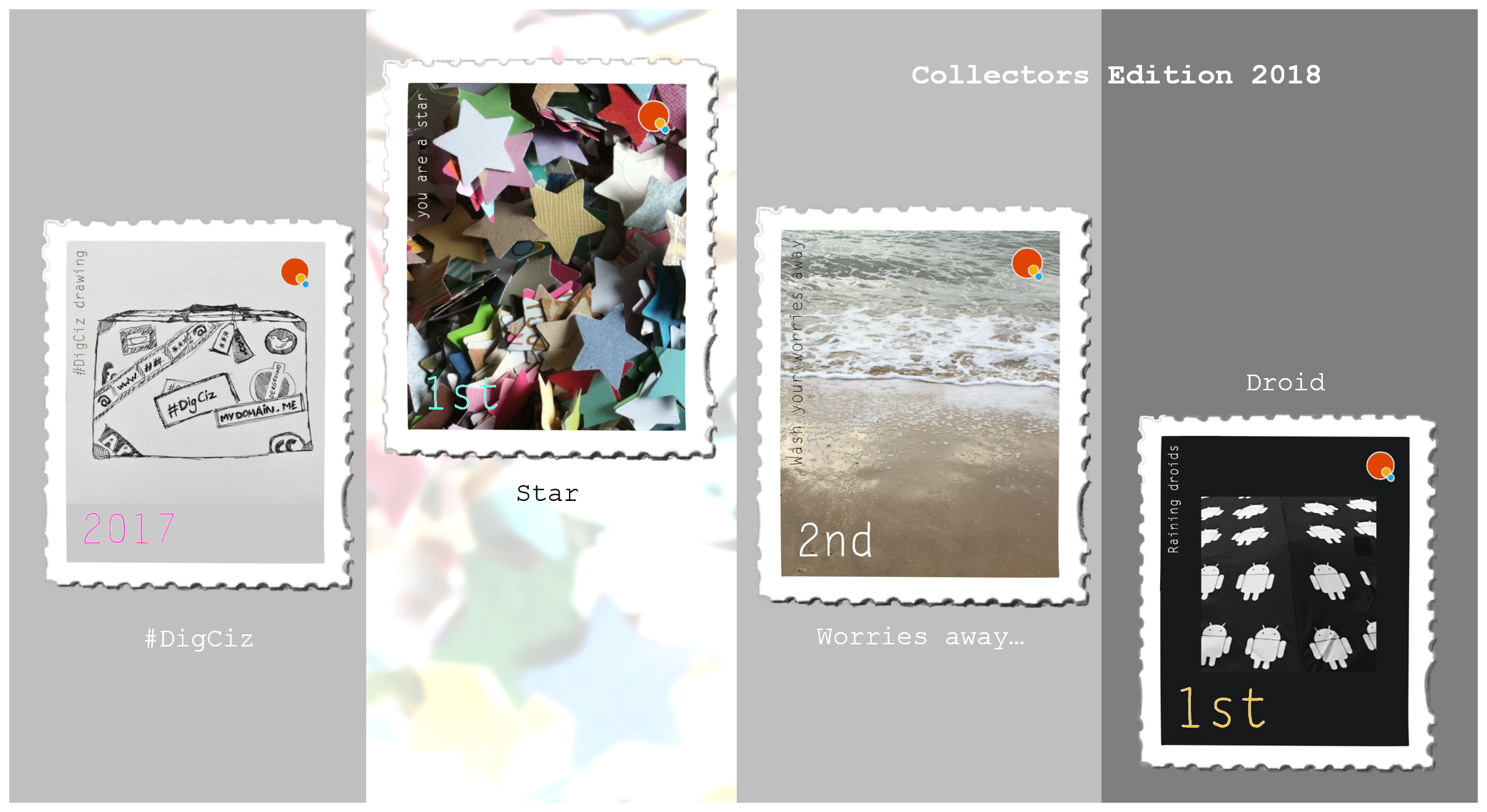
I’ve been taking a more playful approach to making something online this week, experimenting with new ‘Remixable Thinkery’ that Bryan Mathers has been working on as part of his Visual Thinkery projects. Have a look at the sandbox and a gallery of what others have created to date http://sandbox.wapisasa.com/ .
I had a go with the stamp template and tried out different remixes, including uploading photos, resizing/recolouring the text and moving things about.
Having a play with lots of different options is a lot of fun and I found the interface easy to use and intuitive. I tried it on mobile and desktop browsers and found it easier on desktop, but both worked.
I tried out a range of images, including drawings, like this one which I made for an online conversation on Twitter around concepts of belonging and digital citizenship last year.
Having spent a lot of time waiting in the post office in recent weeks I was inspired to try and make a stamp collection sheet with my newly created stamps using powerpoint.