Tag: coaching

  • Coaching moments from career transition and crisis support to supporting long term change.

    Coaching moments from career transition and crisis support to supporting long term change.

    I often get asked about my own experience of having a coach by my coaching clients, especially as in the UK coaching is still a (largely unregulated and) relatively new profession. A lot of my coach training and credentialing process was designed to enhance the professionalism of coaching as a practice with lots of different applications, and I love hearing about what the contexts in which other coaches work: from health, fitness and nutrition coaching to student and career coaching to family and divorce coaching and so on. If you want to get from where you are to reach a new place, be that in your personal health, relationships, career or life generally, chances are that there is a coach out there to support you along the way.

    The question most of my new clients ask to begin with, is whether coaching is right for them. Coaching can bring many benefits, and it’s a really powerful tool for self discovery, productivity, professional development and much more, but it isn’t the right fit for everyone or every situation. Over the past 15 years I have found coaching an invaluable support in a number of situations and I wanted to share some examples which may be useful if you are considering getting a coach yourself. In general, I would say that coaching might be a good fit if you are:

    • Looking for a safe or creative space to focus on an important decision or period of change;
    • Feeling stuck and struggle with productivity or specific tasks;
    • Ready to plan for the next stage in your career or further ahead to the next 5 years;
    • Looking for someone to think (or draw) with to find solutions to problems.

    Coaching through a new leadership role

    I first came to coaching and mentoring when I started my first leadership role, and from the outset, the support of an external professional became helpful to me. Managing a team of people and being responsible to many stakeholders made it hard to share a lot of what was on my mind openly, and I found coaching conversations really helped me clarify my thinking.

    Having someone mirror back to me what I was articulating provided a reality check when I needed it most, and helped me recognise my own needs alongside other priorities.

    Coaching on tap for crisis moments

    Once I had built a good relationship with my coach, we fell into a rhythm of meeting less frequently. However, I was able to schedule sessions and get in touch as and when I needed to and that gave me confidence and reassuring as a young leader. It was invaluable to be able to have support on tap for when I really needed it, in moments of crisis, and not having to confide in someone new.

    Over a period of years I appreciated how much my coach was able to help to reflect and chart my own progress by referring back to previous conversations, which helped to hold me accountable to the goals I had set myself no matter how long it took to achieve them.

    Coaching to mastermind a big career change

    Planning a big change can be a lonely task, especially if you don’t have many people to talk about your plans with. I found it difficult to draw on my usual support network when I set out to plan a big career change, partly because I didn’t want to unsettle colleagues and partly because making a change always has a element of figuring out why the current situation no longer suits. What I really needed at that time was someone I could trust completely, who was not connected to my current institution or role.

    I wanted someone to think alongside with, someone to share my hopes and fears with and someone who would not judge or advise, but hold space. The space that my coach created was crucial for me to develop a new vision for the next chapter.

    If you are thinking of embarking on a coaching relationship, remember to double check the coach’s credentials and experience, and look out for someone who is a really good fit for you.

    Subscribe to my free newsletter
    [newsletter_form type=”minimal”]
  • Fully fledged coach, ACC

    Fully fledged coach, ACC

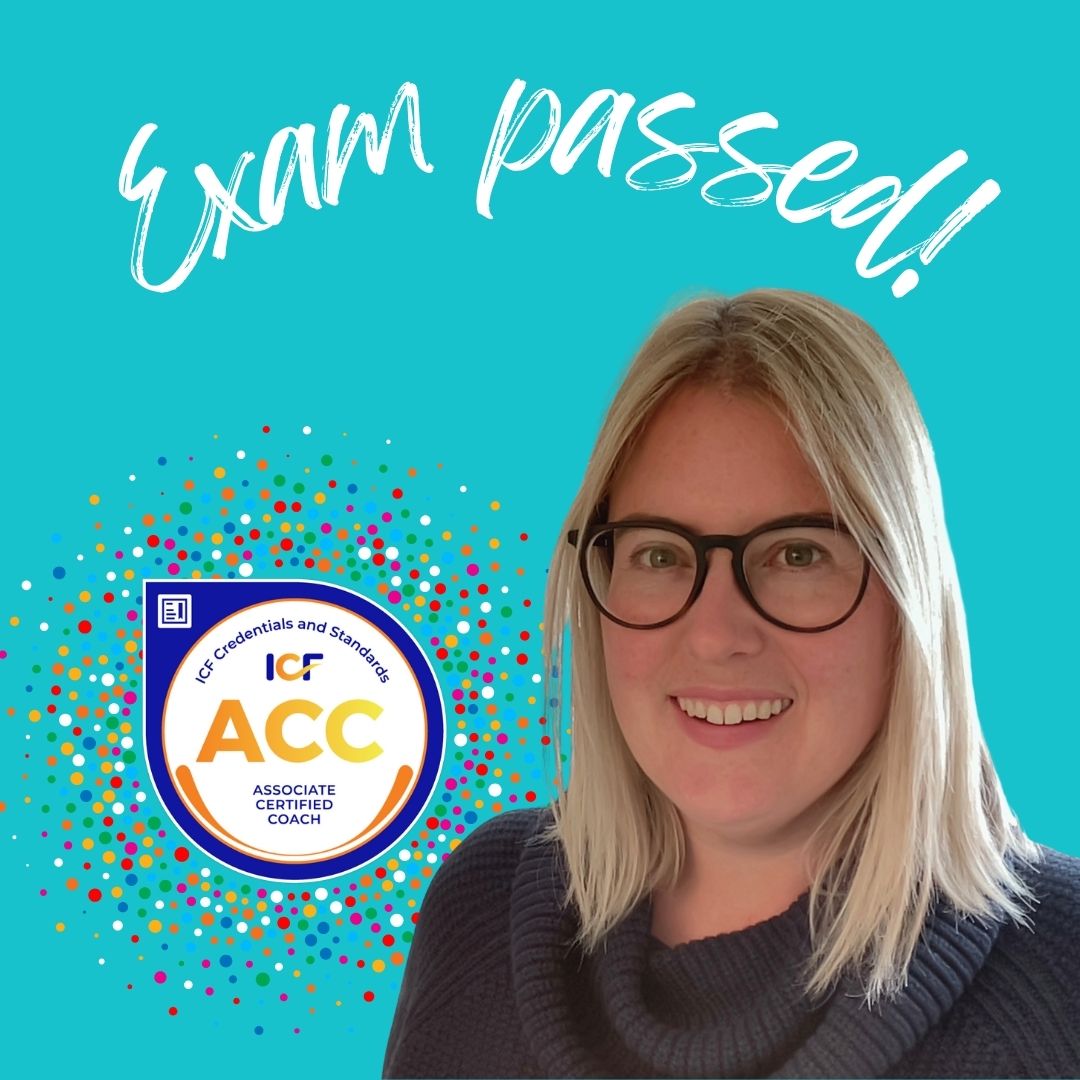
    This week I passed my final exam and earned my ACC credential from the International Coaching Federation! It’s taken me two and a half years to achieve this milestone, so there’s much to celebrate.

    Coach Training complete, for now

    I’ve reflected previously on my coach training journey and I remain very impressed with the overall process (even though the final proctored exam made my edtech heart bleed). Initially I was focused on using coaching approaches within an executive role, and at the moment I use coaching in most of the work I do in different ways. It’s a valuable skills to have in all sorts of contexts, and it makes me better at being in a leadership role.

    Coaching is very much an evolving practice and so I am looking forward to being active member of the professional community, to continue learning with and from my peers and to explore new ways of coaching.

    What’s next

    As I start this new chapter in my coaching practice, what I do and how I support my client is evolving, too. Alongside coaching individual clients I have started to coach more groups and teams, particularly leadership teams of hybrid organisations and groups keen to increase wellbeing at work. There’s an exciting new project in the works that I am hoping to share more on soon.

    For individual clients the start of the summer season will see walk’n’coach sessions as part of my formal offering, starting with my established clients (with whom I already have built a rapport and a sense of trust). Usually, this would be coaching via a phone call, or, geography permitting, we might also meet in person. 

    That is alongside my existing video coaching and email check-ins, and I am also adding coaching moments by post, offering occasional letters and printed resources to help connect more deeply.

    Blended Coaching promo image

    Keep in touch, subscribe to my free monthly newsletter:

    [newsletter_form type=”minimal”]
  • Open leadership in practice: Unsung hero skills

    Open leadership in practice: Unsung hero skills

    Recently, I have done much work in leadership development. Both in the workplace and when I coach clients, I come across emerging and established leaders who have developed strengths and skills gradually over time, whether through informal learning or through practice or also outside of work. Especially where skills have come easily, grown over a period of time or when we have learnt something just for fun, these are often overlooked in favour of those skills we find hard to acquire or that are formally accredited by others. These strengths and skills often serve us well, but don’t get recognised. I am curious how we identify and appreciate such strengths or skills, and how we can move from seeing them as something we can simply do, to something we’re good at.

    Recognising and celebrating our ‘unsung hero’ skills is a powerful habit to cultivate in order to build confidence and develop as a leader. For example, when I coach leaders I always listen out for how they well they recognise their own strengths. Knowing your own strengths (and weaknesses) helps enormously with everything from effective delegation to seeking expert input. For instance, we might explore a narrative in which someone has applied their considerable skills to a problem, analysed the issues, found a solution and prepared to present this at a meeting – only to miss the chance to speak because something else comes up. Often this individual will end up with a sense of failure because they didn’t achieve the outcome they desired. All the good stuff that happened along the way fades into the background, and the most recent, negative interaction stays at the forefront of their mind. Sounds familiar?

    On my own journey as a leader I have certainly had experiences like this, and in my haste to keep up with the pace and to move from one milestone to the next I can easily forget to take a moment to appreciate what I have accomplished or learned along the way (regardless of whether I did get to speak at the meeting or whether others even saw my effort). Cultivating a habit of recognising and even celebrating the skills and strengths that help me accomplish my goals especially when constructive feedback, recognition and positive reinforcement are lacking, helps me value my own work.

    Yoga, one of my unsung hero skills

    One of my unsung hero skills is yoga. It’s probably been seven or eight years since I started practicing yoga, and it’s not a skill I ever really think about as something I am good at. I am neither as flexible nor as strong as I’d like to be, and even after years of practice, my down dog pose has me bending my knees and my heels have never yet touched the ground (thank you, hamstrings!).

    Still, when I take a moment to think about it, I quickly realise that I value my yoga practice deeply, and the benefits it brings for my physical and mental health. It’s also incredibly helpful to get out of my head and away from the screen, shifting my focus away from the digital realm and on my body and my breath.

    How did I develop this skill?

    I have been fortunate to have found teachers who I find both inspiring and practical, I have enough yoga stuff at home to make my practice as comfortable or as challenging as I want and I also have excellent online video classes. Each mode of engaging brings me something different:

    Home-practice: I started yoga with one to one lessons with a new teacher, who was developing her way of teaching as I learnt. I loved it and I benefited enormously from the attention of someone who got to know me and my body very well. I also got to explore a whole range of poses that take up too much space, set up or wobbling to be practical in a busy class. I love putting on music and setting myself up for a good session at home, knowing that I can spread out and wobble as much as I wish, repeating poses that feel good and make me happy. I love setting my own pace of practice and I enjoy the creativity of following the flow of movement according to what feels good.

    Online classes: It’s been only in the past year that I found an online/video class platform that I enjoy (Apple Fitness) and up to this point my only good experiences of online yoga was with teachers I personally knew. Unfortunately my current schedule is pretty unpredictable and changes from week to week, which is fun but makes attending a class regularly a challenge. And that is where the online classes are a great help. I tend to not push myself as much in terms of speed and strength when I practice on my own, and these classes help me build stamina and strength. I know enough about what I can and can’t do to modify when I need to rather than attempt to follow each and every pose the instructor show.

    Taught classes: My favourite way to practice by far is to attend a class, and I am very fortunate to have found several teachers that I love, which has made a big difference to me when I moved cities. My current teacher, Osk, who runs classes at Physio Space here in Cardiff, is not only a wonderful teacher, but also has a real gift for holding space. Her holistic approach to yoga provides just the right balance between being mindful and challenging. In her classes my form has improved just as much as my enjoyment of the practice.

    I’ve never sat down and thought about how I developed yoga as a practice, and even now that I have written it down, it very much feels like something that happened on the side or along the way as many of these kinds of strengths and skills often do. It’s also a skill that isn’t directly related to my work, so it feels less… I am not sure what the right term is.

    There are plenty of skills, my own unsung hero skills, that I would never put on a resume or list on a profile simply because I either take it for granted that this is something ‘everyone knows’ or a strength that is hard to quantify.

    Listen to the podcast :

    Identify your unsung hero skills

    What is important to reflect on here is that leadership is a holistic, embodied practice. Being a leader doesn’t just happen through formally recognised work skills or on good days, and by extension the skills and strengths we utilise aren’t limited to those that we earn degrees for or that are hardest to gain. The unsung heroes in our skills and strengths often make a bigger difference to our journey.

    If you’d like to identify some of your own unsung hero strengths or skills, here are some prompts to get you started:

    • What activities do you enjoy?
    • What skills or strengths do you use for these activities?
    • What would a friend or colleague say you are good at?
    • What skills did you enjoy learning?
    • What comes easily to you?

    Use these for reflection, journalling or in a conversation to get you thinking about what in your toolkit might deserve more recognition.

    Image credit: Photo by Markus Spiske on Unsplash

    Enjoyed this post? Subscribe to my free monthly newsletter:

    [newsletter_form type=”minimal”]
  • Walk’n’coach into summer

    Walk’n’coach into summer

    When I first started coach training, I set myself the goal to offer walking sessions for my clients. My thinking is that pretty much all of my favourite coaching and mentoring conversations happened when walking, either outdoors or pacing up and down in my office.

    I like moving whilst thinking, and I like talking and walking… . I take walking meetings, and walking catch ups, so walking whilst coaching feels like a natural extension of that. As a bonus, it means even virtual coaching can move away from the screen, at least some of the time, enabling everyone to spend less time sitting, staring at their reflection on Zoom.

    My first formal mentor, Margaret, and I had incredible conversations whilst clocking up the miles in the parks in and around Oxford or sometimes also Sheffield, and I often felt elated when I came back from one of our rare days having unlocked a knotty problem. Plans were made, visions shaped and things shifted as we walked and talked.

    However, when I first started formally coaching clients two in 2021, I realised pretty quickly that I needed to gain a lot more practice with the mechanics of the work of a coach, from building rapport to keeping the session on track, before I could hold space effectively on the move. Video calls offer me the chance to listen deeply to my clients, to focus on them fully, rather than be distracted by things around me… and it didn’t want to jeopardise the quality of the coaching in favour of heading outside too soon.

    This summer then is my first season of offering walk’n’coach sessions as part of my formal offering, starting with my established clients (with whom I already have built a rapport and a sense of trust). Usually, this would be coaching via a phone call, or, geography permitting, we might also meet in person. 

    I am really looking forward to exploring this mode of coaching, and starting to plan and prepare for offering these sessions from May onwards.

    If you’d like to learn more, listen to the podcast episode about walking and coaching:

    Subscribe to my newsletter and never miss out on a blog post again 🙂

    [newsletter_form type=”minimal”]
  • A milestone moment on my coaching journey

    A milestone moment on my coaching journey

    This month I am celebrating a big milestone moment on my coaching journey. After two years of training and 100+ hours of coaching with over 20 clients I am set to formally complete the ACC credential of the International Coaching Federation (ICF).

    Thanks to Katie Linder’s Higher Ed Coach Training, I have now completed all mandatory training to become an ICF Associate Certified Coach. Completing the training and gaining the requisite experience in formal coaching hours means that my clients can be confident that my coaching adheres to the ethical and professional standards of the the International Coaching Federation. And, to help with clarity, the International Coaching Federation defines coaching as “partnering with clients in a thought-provoking and creative process that inspires them to maximise their personal and professional potential. The process of coaching often unlocks previously untapped sources of imagination, productivity and leadership”.

    Before I started the coaching training process I already had experience in mentoring and coaching on an informal basis, and I continue to be active in mentoring, for example as part of the 1MM programme for young adults, but the training process really helped me understand the professional dimension of coaching as a practice.

    Learning a new skill and developing in an emerging professional practice was a challenge. The training programme I chose to join is US-based, and thus a lot of my training happened in the evenings especially at weekends, and for months at a time, every Saturday or Sunday evening would be spent together with a cohort of inspiring new coaches with whom I built great relationships. Katie’s approach to coach training provided just the right mix of support, aspiration and stretch goals and I especially appreciated the focus on coaching in Higher Ed.

    Being new at something was a valuable experience for me. When you are practicing coaching, making mistakes and reflecting on your practice together you are in a vulnerable position and it took quite some time for me to develop confidence in my own judgement when it comes to coaching.

    What I love about coaching is that moment when it opens up a new insight or leads to a decision or an action. Sometimes it takes a long time to get to a moment like this, and being part of that journey is a privilege. No matter how long or short a coaching engagement, I always feel that the journey is rewarding.

    Initially I was focused on using coaching approaches within an executive role, and at the moment I use coaching in most of the work I do in different ways. It’s a valuable skills to have in all sorts of contexts, and it makes me better at being in a leadership role.

    I coach individuals and teams, within Higher Ed and outside of education, and I am on a journey to finding my niche, which in coaching terms means that you are trying to find what or who is the best fit for a coaching relationship, a match where it feels easy and productive and where you can make the biggest difference. Thus gaining experience coaching in different contexts and with a range of clients is especially valuable to me at this stage, as I am trying to learn about where my strengths as a coach lie.

    Coaching is a fantastic tool that I hope more people, particularly those of us who are juggling a lot whilst also achieving a lot, will make use of. That’s why I’ll continue to offer 10% of my coaching sessions on a pro bono basis.

    I am very grateful to all of my teachers, training colleagues, fellow coaches and most of all my clients for an amazing two years of developing as a coach. Thank you!

    Here’s to the next hundred hours of coaching together!

    Thank you

    Enjoyed this post? Subscribe to my free monthly newsletter:

    [newsletter_form type=”minimal”]
  • My personal vault. Or what I learnt from a decade of progress tracking

    My personal vault. Or what I learnt from a decade of progress tracking

    I made a fun discovery today: It’s now been over ten years since I started this list of things I have done. Wow! I had no idea it had been that long, and seeing those entries from 2013 made me pause and reflect on the habit of keeping the list, a decade in the making.

    Why did I start tracking progress in this way?

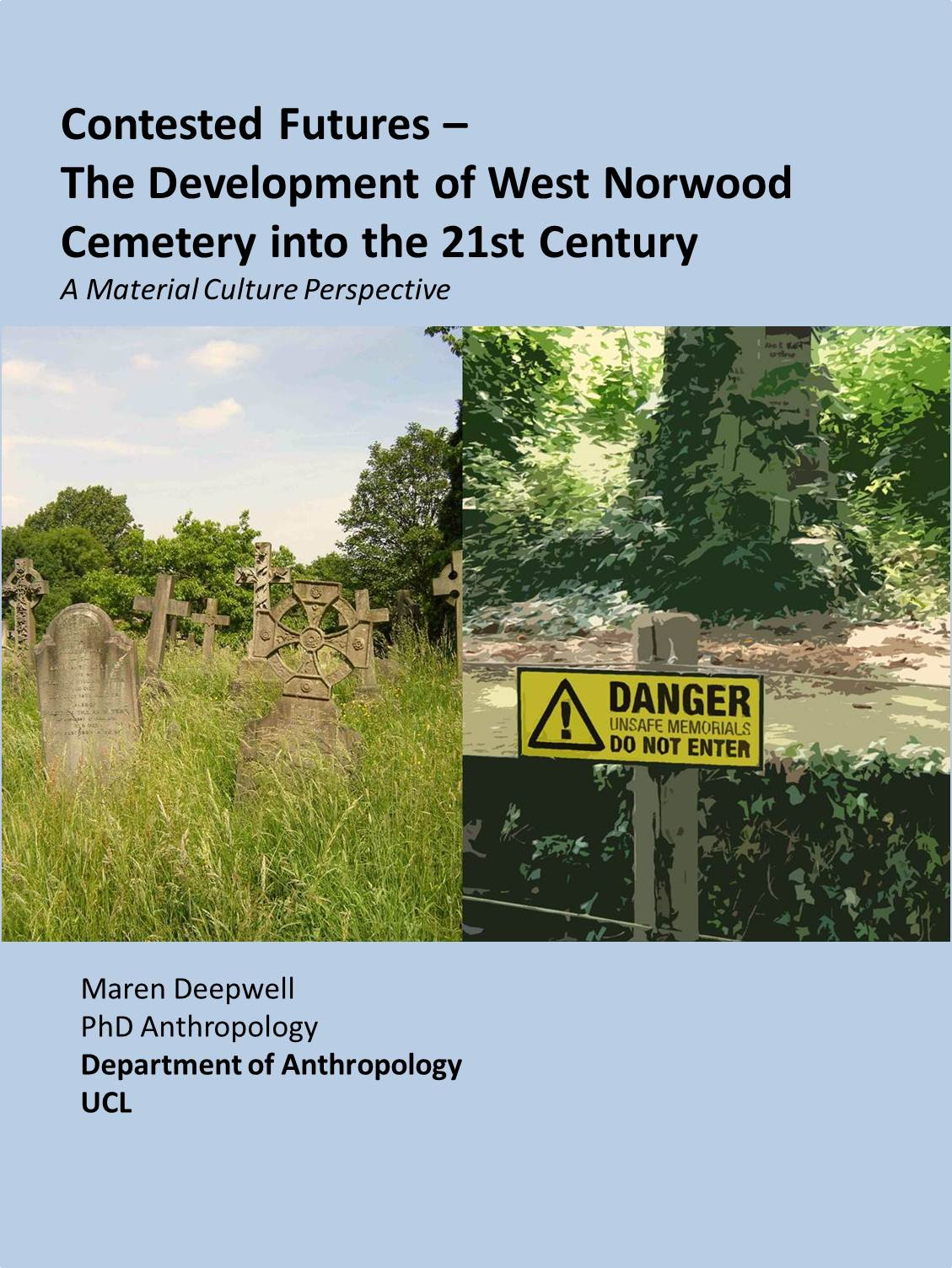
    My archive page is a lot like a personal vault. If you scroll all the way to the bottom of the page you’ll see that at the start I added some entries a bit like you would on a CV. I added dates of degrees I completed and images of things like my doctoral thesis from 2008:

    Initially, I added these things as I was moving blogs, and I didn’t want to loose track of what I was up to. I was just in the finishing years of my graduate studies, and started working full-time and I had no real idea of what was going to happen next.

    For a while, in the first few years of working at ALT, I didn’t really keep a record of anything until I started blogging publicly again in 2010 on WordPress, rather than my old Google Blogger sites. But then from 2013 onwards I started keeping a running list of projects I completed, conference papers, media stuff and so on.

    Looking back to 2013, this entry makes me smile: June: Radio 4, Today Programme . Not particularly helpful for anyone other than myself, but it does bring back the morning I spent nervously sitting next to a very intimidating John Humphreys in the BBC radio studios in London. Similarly, in 2014 I went to the European Parliament in Brussels… noted in a similarly cryptic entry, but equally memorable for me. And although the 2015 link to an appearance on Parliament TV still works, many of the older links have rotted.

    As we progress through the years the list of things I recorded each year becomes both longer and more comprehensive, particularly as I started to add links to blog posts on my own domain that contain a lot more information about a specific event or project. 2020’s entry is a bit shorter, but it looks remarkably ‘normal’ given everything that happened that year.

    What do I use it for?

    So, how is this useful?

    Well, the practice of making the list and adding new entries to it is useful to me in itself. I could probably use a tool to compile this kind of information for me, but there’s great value for me in the act of processing what I have done and reflecting on it as I make the list.

    For example, adding new items to the 2024 section of the list earlier today made me realise just how busy a year I have had so far, and we are only three weeks into it:

    So on a regular basis, as I publish something or a new project gets scheduled or completed, I will update the list, add links and date each entry. Wherever possible I try to capture what I am doing in a blog post as I add it to the list, so that I don’t have to rely on external websites to retain the information.

    Then, on a monthly basis as I compile my newsletter, I refer back to the list, and cross-check what else I may want to mention. This is super helpful for me and makes compiling the newsletter pretty easy.

    I also use the list as an archive in case someone asks me what talks I have recently given or what papers I have published on a particular topic and I make use of it for reviewing my progress or performance.

    It’s a kind of super power when it comes to things like annual appraisals or planning career development. It doesn’t take me long to answer the questions like ‘What have you done in the past year ?’ or make a list of articles I have published. That is magnified if I want to write end of year reviews or reflections.

    It’s important to me to keep learning and developing and over the years keeping this archive up to date has become a natural process of my workflow, just as blogging or journalling have become part of my practice.

    Tips for starting your own archive

    If you are keen to start your own list, get started with literally anything. You could add a workshop you have run or an event you attended, or even books you’ve read. You could add projects you have been involved with or led, or papers you have published.

    The key is not to worry whether something is worthy of being included, and to simply include everything. I find once you start making a list of everything, things quickly amount to more than expected.

    Over time, as you practice keeping the list, the satisfaction of adding to it will become a good motivator for keeping going but initially it can be difficult to find the courage to get started.

    You might prefer to keep your list private, which is completely fine. The reason I have mine on my blog is that I am comfortable working here and I use my blog every few days. It’s a convenient place for me to refer back to or to send people to, but I don’t think the page that shows my archive gets a lot of visitors.

    For me however it is priceless, and it reminds me when I have low days how much I have achieved over the years. Maybe your list will do the same for you.

    One consideration for me is that I want to do what I can to keep the data safe. That is why I don’t rely on a platform like LinkedIn to keep this information. In an ideal world I might update the information somewhere like that, a network where folk who consider working with me might more easily get an idea of what I have accomplished. However, although that would be useful, I don’t trust that the information will still be there in 10 years or that it won’t suddenly get reformatted or repurposed as platforms change. Thus, I keep it here on my own domain first and foremost, and I update everywhere else when I feel it’s necessary.

    So, good luck if you are just getting started and kudos to you if you are already on your way to keeping that precious list of everything you’ve done.

    Subscribe to my free monthly newsletter!

    [newsletter_form type=”minimal”]

    Cover image credit: Photo by C M on Unsplash