Category: things I like

  • Reflecting on what’s important… randomly

    Reflecting on what’s important… randomly

    I miss having a rhizomatic course to participate in. This kind of post of professional and personal reflection feels like it would have been appropriate for that kind of sharing space. In the absence of a course however, this is ‘just’ a rather random post.

    I’ve recently thought a lot about what’s important. Three very different things,  a work project, a TV programme and a new network, have come together in my head and it’s an interesting place to think.

    First, I’ve spent the past few months working on a new strategy for the member organisation I work for and that involved a lot of listening, observing and trying to understand what matters to the individuals and organisations we serve. The strategy ended up being shaped by shared values, an articulation of what’s important to the community.

    Second, I’ve also been watching an excellent new documentary series on design (Abstract on Netflix). It explores different types of design from illustration to interior design and it uses the tools of digital film making to enhance the story telling. I love seeing the world through the eyes of people who shape it as they ask what is important and why.

    Third, I’ve helped promote an emerging network (see http://femedte.ch/about/) which is focused on providing support and collaboration for a community of like minded individuals. The values that are being articulated as this network forms again focus on what’s important: equality for example.

    In each instance people make an effort to engage, they spend time and effort, because of something that is important to them. That is true whether it’s a designer who wants to change the way we feel about being at home, a professional who wants to develop in their career or someone who wants to make their voice heard promoting women in education and technology.

    It is hopeful, encouraging, to see people look at the world and take a positive action to change it for the better. Taking some personal responsibility for making a change within a personal or professional sphere requires effort and decisiveness. And the visions of what the future could look like in my three examples are positive. I’d like to see more equality in education and technology. I’d also like to see designers make homes, public spaces and products that I inhabit or use more green, more holistic, more humane. And I’d like to see the values articulated in the strategy I’ve worked on put into practice on a bigger scale. Amidst the sea of chaotic bleakness that news and social media can seem like at times, it’s important to reflect on what we care about and that we can contribute to making it happen.

  • From marble to MOOCs… snapshots from my path to Learning Technology

    From marble to MOOCs… snapshots from my path to Learning Technology

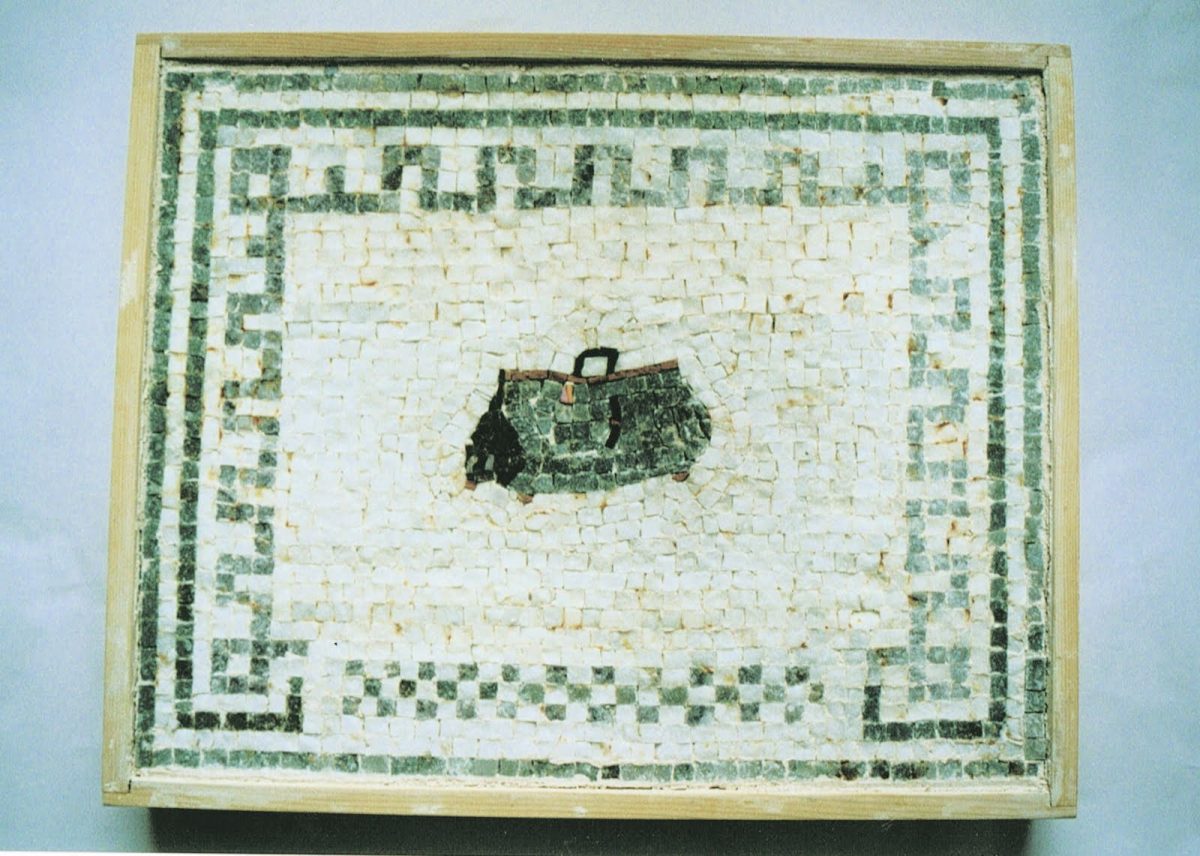
    I’ve been continuing my project of uploading a LOT of images to Google Photos and some of these are scans or photos of drawings and artworks I made (Google isn’t great at recognising what the drawings depict but I am not entirely sure whether this is due to my inexpert drawing or insufficiently sophisticated algorithms). Before I started working in Learning Technology and before I did my PhD in Anthropology I trained and practiced as a sculptor – and drawing is a big part of making things. Learning how to draw and sketch shaped how I think and solve problems. Whether in Art or Anthropology or Learning Technology my professional practice has many threads that run through the last two decades. I’ve always been interested in time, change and how we as human beings shape the world around us.

    There’s a slideshow of a selection of images in the archive of this blog.

  • Sharing my approach to leadership as an open practice

    photo 2It’s been nearly a year since I wrote my first post on leadership as an open practice, inspired by the 2015 OER conference. So in this post I want to reflect on how my experiment is going, what progress I have made and what’s next.

    Where it all began…
    In April last year, I wrote : “I’d like to try and adopt open practice in my role and connect with others who do the same. Like teachers, researchers or developers who share their practice and resources openly, I’ll try to follow their example. To make my work, which is mostly about leadership, governance and management in Learning Technology, an open practice.”

    Putting the experiment to the test
    Since then, I took part in the #rhizo15 course/community and the #blimage challenge, I have shared a number of conference presentations and blog posts about CPD, policy and current issues. I have been building and sharing my CMALT portfolio (specialist area: leadership as an open practice) and reflected on different aspects of open practice.  This blog has become a really helpful tool for engaging with different aspects of the work I do, share my thoughts and reflect openly. It’s certainly prompted me to do more thinking in the open and has resulted in many conversations and comments that have been helpful and stimulating (thank you!). It’s also motivated me to engage with others’ blogs and outlets, reading and commenting or contributing in turn. Sharing the template for how I built my CMALT portfolio with Google Apps is another example of this approach in action. My original aim was to share, connect and engage more openly and I think that aspect of my open practice has definitely developed.

    Difficult aspects of leadership as an open practice
    Although it has been hugely rewarding, leadership as an open practice has also been quite challenging. While I have certainly started to find more like-minded professionals in similar roles there have been many more false leads, e.g. blogs that are more marketing than sharing, open-sounding practice that leads to pay-walls and a definite reluctance to connect beyond networking for fear of loosing some sense of being ahead, of having the edge over others in leadership roles. At times when political or economic turmoil threatens funding or jobs open practice seems to become a lot more difficult and far less popular for people in similar roles to mine.

    It has also been difficult at times to manage different aspects of my practice when my ‘day job’ as a CEO comes into contact with other work I do. When I contribute to a discussion or a twitter chat I try and make it clear whether I am representing the organisation I work for or whether I am participating in a less formal capacity, but it’s not always easy to make these distinctions. On the other hand there are real advantages to having the chance to get involved with research or practice in a more hands on way and it helps me be better at the work I do as a CEO.

    With managing different identities also comes being a woman and a leader in Learning Technology and this is probably where my experiment has delivered the most rewarding examples and connections. Through a wealth of media I have become more familiar with the work other women do to drive forward technology in learning and teaching, from writers and IT Directors to CEOs and teachers both younger or more experienced than me. While in my  experiences day to day there is still a long way to go to achieve equality for women decision makers in government, industry or funding bodies my growing network makes me feel hopeful.

    Take away’s
    So, one year on, what are my take away’s from this experiment in leadership as an open practice? Here goes:

    1. Will I continue? Yes! It’s been such a rewarding experience, stimulating and challenging that I will definitely keep going;
    2. What’s the best bit? The freedom that an open approach help me establish, the prompts to follow whatever I was curious about and the generous feedback from peers;
    3. What’s the worst bit? For me at times lack of peers in comparable job roles who are interested in open practice;
    4. What’s next? On a practical front, more #rhizo16 this year, some opportunities to speak at events or contribute to other projects, making more of an effort to communicate and connect with others… and hopefully to become better at leadership as an open practice.

    Your thoughts?
    Over the past year I have had many comments/conversations prompted by blog posts or tweets and it’s been extremely helpful. So if you have any comments or feedback on my approach to leadership as an open practice or your own experience, share it below or tweet me @marendeepwell.

  • Feedback, milestones, reflection: appraisal in a leadership position

    This is the time of year for reviewing personal and professional development, for reflecting on achievements and set goals for the following year. In short, it’s time for my annual appraisal process.

    This will be my fourth in a leadership position and each year the process has evolved depending on the needs of the organisation and myself. What we have found works consistently:

    • 360 degree feedback: that includes everyone who reports to me, those whom I report to, colleagues whom I work with and external reviewers;
    • Clear assessment of goals set and progress made, milestones reached and key deliverables – in my case that encompasses most of what the organisation does or doesn’t do as my role carries overall responsibility for strategy and operations. This is where individual appraisals for others feed into my own which is really helpful;
    • Reflection on personal and professional development, often in relationship to what we had planned 12 and 6 months ago, but also anything else that has developed in response to changes in circumstance;
    • Written feedback and face to face conversation. My appraisal process is a blended process which involves a distributed group of individuals and culminates in a face to face meeting, led by the current Chair of the organisation I serve which changes annually.

    Variations from year to year:

    • Emphasis on performance, support, development… depends on the context and provides some flexibility in a process which can at times become a long list of colour coded milestones;
    • Openness also varies. Some years have been very open and I have shared many parts of my appraisal feedback with colleagues, while some years are more personal and less easy to share;
    • Scale and perspective, from the proverbial helicopter view to the detailed analysis of a specific situation. That again seems to change from year to year.

    As I am compiling this year’s appraisal documents I find that now in its fourth year I have more expectations, a clearer idea of what I’d like to get out of the process. And one of my aims for this year is to use the process as a way to continue my open practice. In my experience colleagues in leadership roles can find it difficult to get effective feedback and appraisals. For some, it becomes about performance management and if there are no concerns, then it’s just a formality. Others focus on providing feedback and thus get little in return. Some colleagues feel that at a certain level of seniority you should be able to do without, to reflect sufficiently on your own. And to some degree I agree with all of these perspectives. But there are some reasons why I really value taking a more in depth approach to my own appraisal:

    • Giving constructive negative feedback takes time and focus. I value honest praise but I feel it’s important to give opportunities for negative feedback, too;
    • Ongoing reflection is an essential part of my practice, but when a period of time is particularly busy I can still loose perspective. Being forced to take a step back and collect a whole year together in one place gives me an annual perspective that opens up new vistas;
    • Having a deadline makes me do things like (finally) submitting my CMALT portfolio, write a submission or review an article;
    • Writing my appraisal is a chance to not only set achievable goals, but to dream up new visions of the future and what that may hold.

    All in all I think you can see why I feel this is such a valuable process. Particularly in a leadership role I think it’s a privilege to hear from others what they feel you could do better, how you might achieve more.