Category: drawing

  • Drawing 2020 – a bit of strategic ‘visual thinkery’

    Earlier this year, I blogged about that I feel I am starting a ‘new job’ as things have changed so much over the past year… so this week on Friday I am having a strategy away day, pandemic style.

    CEOs often get asked what success will look like in 3, 12 and 36 months. Asking yourself that question is a useful way to get your own thoughts in order and prioritising short, medium and long term goals.

    Often, the kind of success measures or KPIs you’d include range from internal to the organisation to external stakeholder groups, from local to national to international. That’s the kind of thing an Impact Report is made for and that is important – but not helpful for me just now.

    I am looking to re-imagine, to re-assess and to start from a blank page. Cue a bit of drawing and colouring…

    Putting pen (and brush) to paper

    I find it helpful to start with a blank page and the first thing I drew was a little flag, planted at the start of the year. It marks the launch of ALT’s (then) new strategy for 2020-25 (…best laid plans etc).

    From there, it was a story of firsts… the first pivot online… our first ever fully online OER conference… the first time that we ran an event with 1,000+ registered participants, and the first ever time that we had to fully refund hundreds of paying delegates AND the first time those participants donated nearly £10,000 to help cover the losses we were making.

    The first time that we drew up an emergency budget and plan just two months after setting the first ones… the first time we made an emergency strategy and held an emergency Board meeting.

    In June we held our first ever fully online AGM with in-house voting. And in July, ‘business as usual’ included open calls for volunteers, editors, committee members – all for activities which were changing continuously.

    Our first ever online Summer Summit took place in August, the first ever fully online awards short-listing process in September and the start of term saw us provide a second wave of support webinars, resources and care for an increasingly exhausted membership, preparing for an academic year that would be like… no one knew.

    In November we launched our first ever CMALT Accelerator workshops and in December the Winter Conference saw our first ever online Awards Ceremony and first ever Community Award to every Learning Technologist.

    By the end of the year, we had also published 49 new research papers, double the average number and the first time that we reached such a high number of publications.

    A year of firsts – pandemic style.

    Doing this drawing, sitting and thinking, letting my pen guide my thoughts, is incredibly helpful. It allows me to see beyond the KPIs and budget columns – and these don’t feel terribly meaningful anyway in a global pandemic context.

    What does feel meaningful to me is the picture I have in my head of the past year. A picture of an agile, learning organisation where everyone contributed to us achieving a lot of successful firsts.

    I also see thousands of professionals whom we have supported through the ups and downs of 2020… from sharing open resources and offering full scholarships to running support webinars and providing much needed CPD.

    I like the idea of last year being a year of firsts and as well as all the bad stuff, there are a lot of positives to take with us.

    The next blank piece of paper is going to be for 2021. A year of… ?

    What success for ALT looked like… in 2020
  • From marble to MOOCs… snapshots from my path to Learning Technology

    From marble to MOOCs… snapshots from my path to Learning Technology

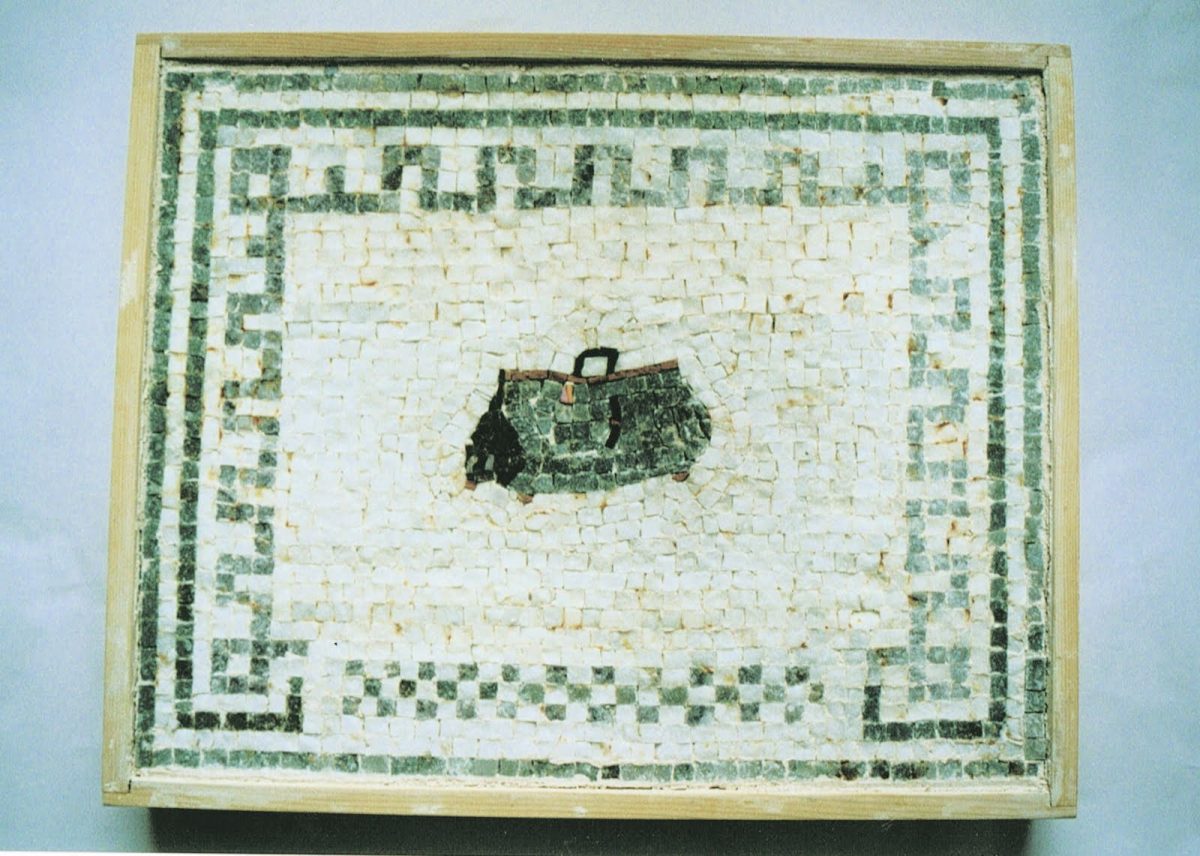
    I’ve been continuing my project of uploading a LOT of images to Google Photos and some of these are scans or photos of drawings and artworks I made (Google isn’t great at recognising what the drawings depict but I am not entirely sure whether this is due to my inexpert drawing or insufficiently sophisticated algorithms). Before I started working in Learning Technology and before I did my PhD in Anthropology I trained and practiced as a sculptor – and drawing is a big part of making things. Learning how to draw and sketch shaped how I think and solve problems. Whether in Art or Anthropology or Learning Technology my professional practice has many threads that run through the last two decades. I’ve always been interested in time, change and how we as human beings shape the world around us.

    There’s a slideshow of a selection of images in the archive of this blog.

  • Drawing my way through my #cmalt portfolio

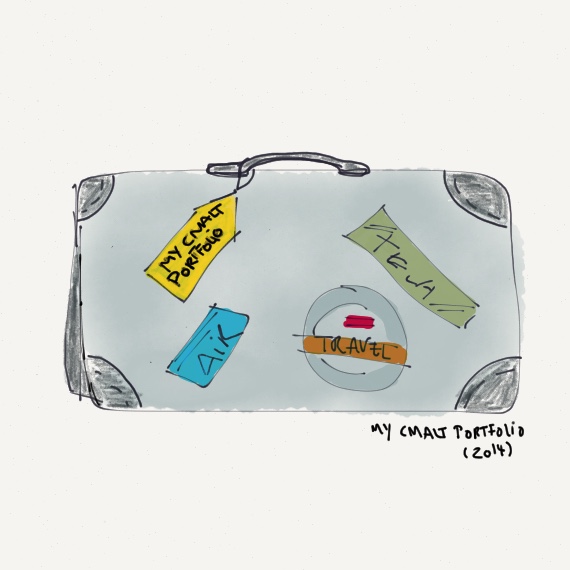
    IMG_1010Compiling my portfolio for submission for CMALT,  ALT’s peer-based accreditation scheme, has been a long term project. Originally I started in 2011, but I didn’t complete it. Now I am close to finishing and planning to submit my portfolio (finally). As part of the process, I have made drawings for each section of the portfolio, usually one per section. The first few drawings I made close to a year ago, but I am still adding new ones. Some are illustrations based on CMALT criteria or headings, others are from my work and blog posts. Most of the drawings start life with pen and paper, but many end up being re-drawn on the paper app on an iPad and later edited again with more apps to add text, adjust colours and so forth. This kind of professional development definitely doesn’t require you to get your colour pencils out and start drawing things, so why? Here are my thoughts:

    IMG_1014First, drawing is something that’s been a key part of my practice, of the way I think, long before I started working in Learning Technology and I still find it an invaluable part of my work today. Whether it’s designing open badges or trying to figure out a complex network of use-cases, I often find drawing things down helps with problem solving and communication.

    Second, drawings are a good way for me to express different parts of my vision, my personality. I like using them as part of my approach because they can be more eloquent than words and allow me to contribute something more. When I contributed #rhizo15 earlier this year, I found that drawings were a great tool for participating either together with text posts or as stand alone posts. There is something about using colour and images that really connects wit the way I think about things. In the case of my #cmalt portfolio, adding drawings helped to make it feel more like me, help me focus on what I wanted to communicate about my work.

    FullSizeRenderFinally, and importantly in this context, drawing takes time and focus. For me it is an excellent way to reflect and reflecting on your practice is a key part of the #cmalt framework. I often started a section with a drawing and by the time it was finished, I would be ready to start writing, having laid out the ideas in my head. The reflection is probably the most rewarding part of the process for me.

    It’s not really about the drawing in itself, more about the process as a way of giving myself time and space to really think about things, figure out how I feel about something and sometimes, it ends up surprising me with unexpected ideas. That’s the best part for me.

  • How do you learn #rhizo15?

    This week I am not going to write much on community/conformity. Instead I’ve decided to read, comment and reflect on what is being contributed across the community – to help me think and draw about my own question for this week: ‘How do you learn #rhizo15?’ . image