Category: CPD

  • Finishing another year at Oxford

    Finishing another year at Oxford

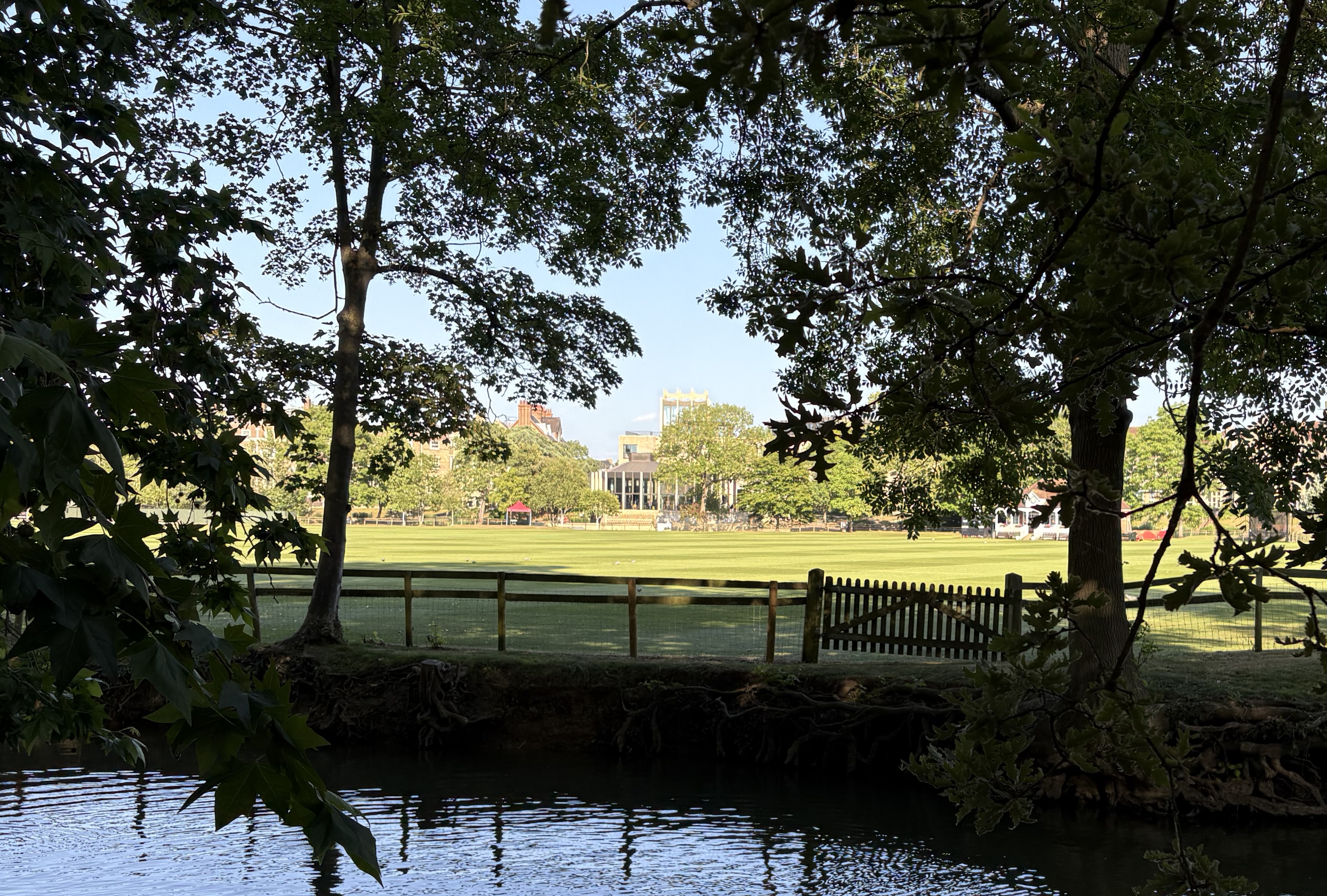
    This week wraps up another year of teaching at the University of Oxford. Summer is here, and my work with the Digital Capabilities team takes a break over the summer, before Michaelmas Term starts again in autumn.

    For the first time since I started this year had more in person components, including two days of fully in person sessions with cohorts from across the university. Getting to work with such a diverse range of people in a unique institutional context whilst exploring all aspects of hybrid working is great fun.

    Last year, I was focused mostly on Digital Wellbeing in my reflection at the end of the academic year, and although this remains relevant there are now other dimensions of hybrid working that have come to the forefront:

    AI in the workplace: AI-enabled tools and platforms have spread widely and quickly in the workplace. With such a strong commercial motivation, every major tech player has quickly incorporated enhancements designed to improve digital productivity for the user, whilst collecting data and increasing prices for providers. Across the range of responses to the arrival of this type of technology, from enthusiastic early adopters to skeptically cautious users, I have yet to meet the professional who feels less busy, less time-poor or less stressed as a result of using AI. Instead what I have observed is that the pace of digital productivity, increased by time-saving AI applications in particular, is causing overwhelm, burnout and a frantic sense of having to keep up with the pace set by technology.

    Medium term consequences: Also emerging are the now medium term consequences of hybrid working at scale. With the pandemic moving further away and workplace practices and policies becoming more stable, we are able to observe what the impact of hybrid working at scale is for the first time. Even across just one institution, the picture is mixed: some groups have mostly gone back to the office, offering flexibility on certain days, whilst others have gone mostly remote, with a common anchor day to be present on campus. Some groups of staff love working from home, whilst many struggle with overwork and lack of work/life balance. A common complaint is that it now feels like one is “living at work” (instead of working from home) and the accompanying (perceived or actual) expectation of having to be available all of the time.

    Hybrid leadership capabilities: More and more institutions identify staff (and also student) hybrid working capabilities as a strategic priority, and quickly realise that leaders have little capabilities to effective manage and support staff in such a context. This is the area I am most interested in, and where my work is most focused at the moment.

    It’s been a joy to work with Emma Procter-Legg and her colleagues for another year, and I am excited to pick things back up for the start of the next academic year.

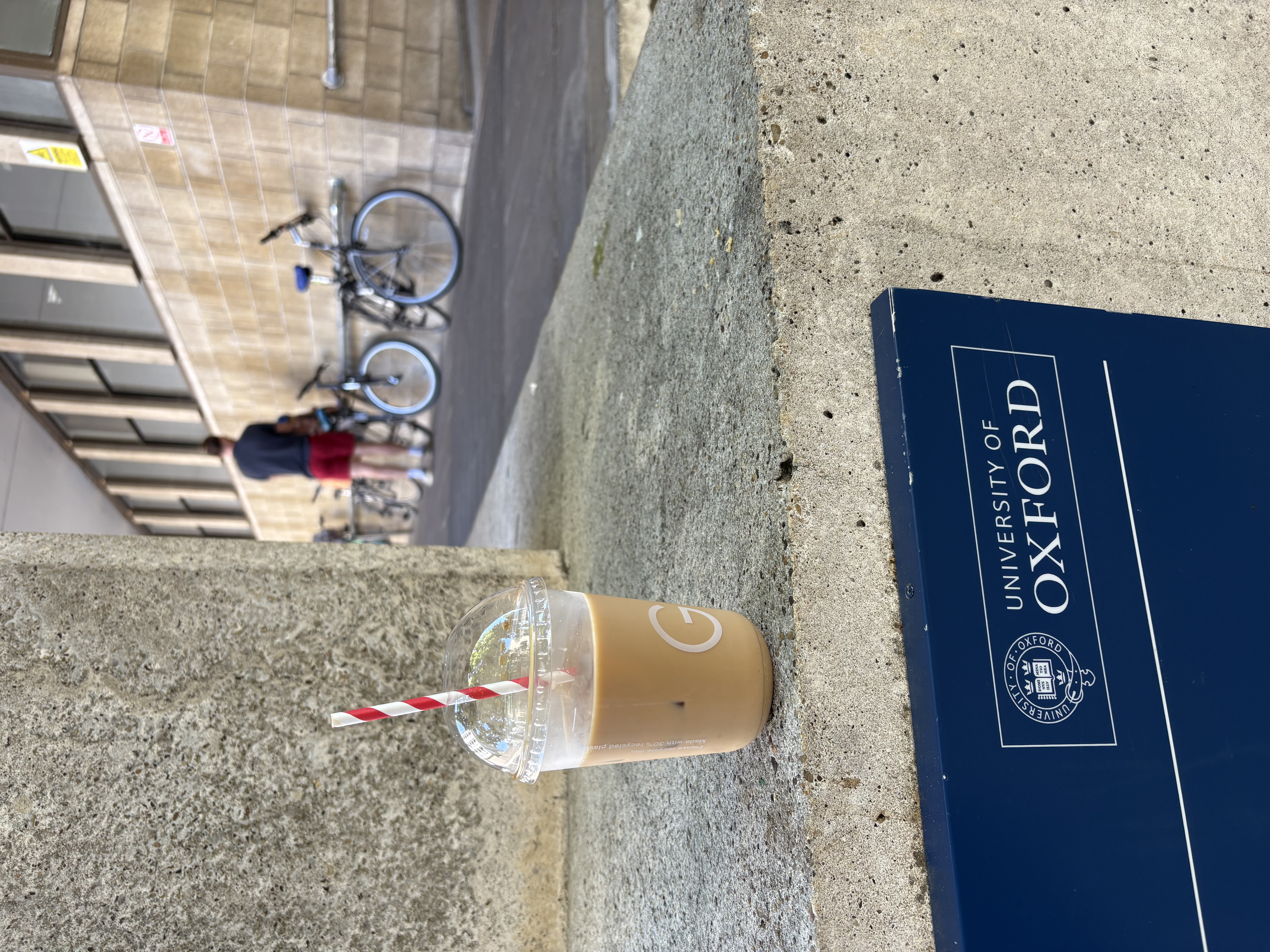
    A photo of a cup of coffee, with a unviersity sign and bikes in the background
  • Critical Digital Capabilities for Leaders in Hybrid Higher Education  

    Critical Digital Capabilities for Leaders in Hybrid Higher Education  

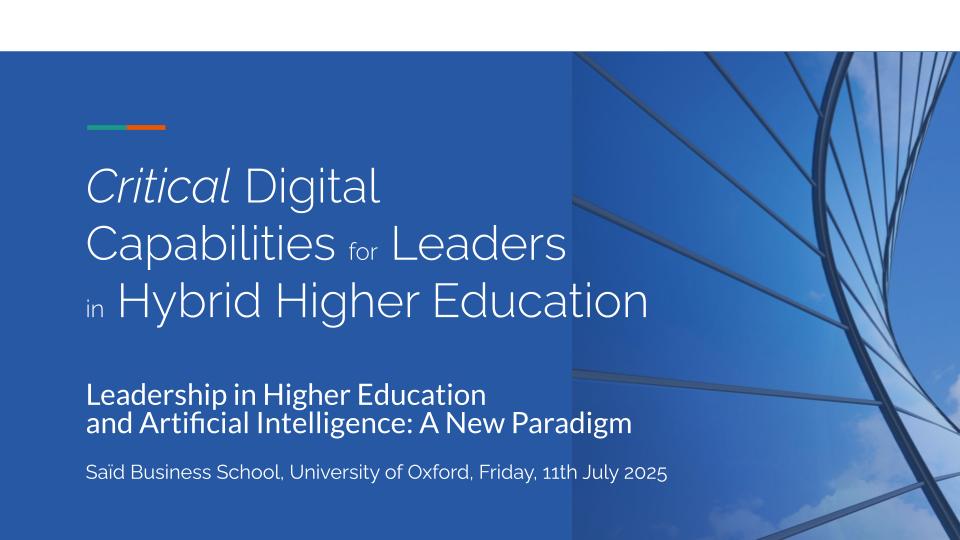
    I recently took part in a leadership development programme, Leadership in Higher Education and Artificial Intelligence: A New Paradigm. The programme was designed with an international cohort in mind, and it was great fun to work with leaders from across different countries and from a whole range of Higher Education institutions.

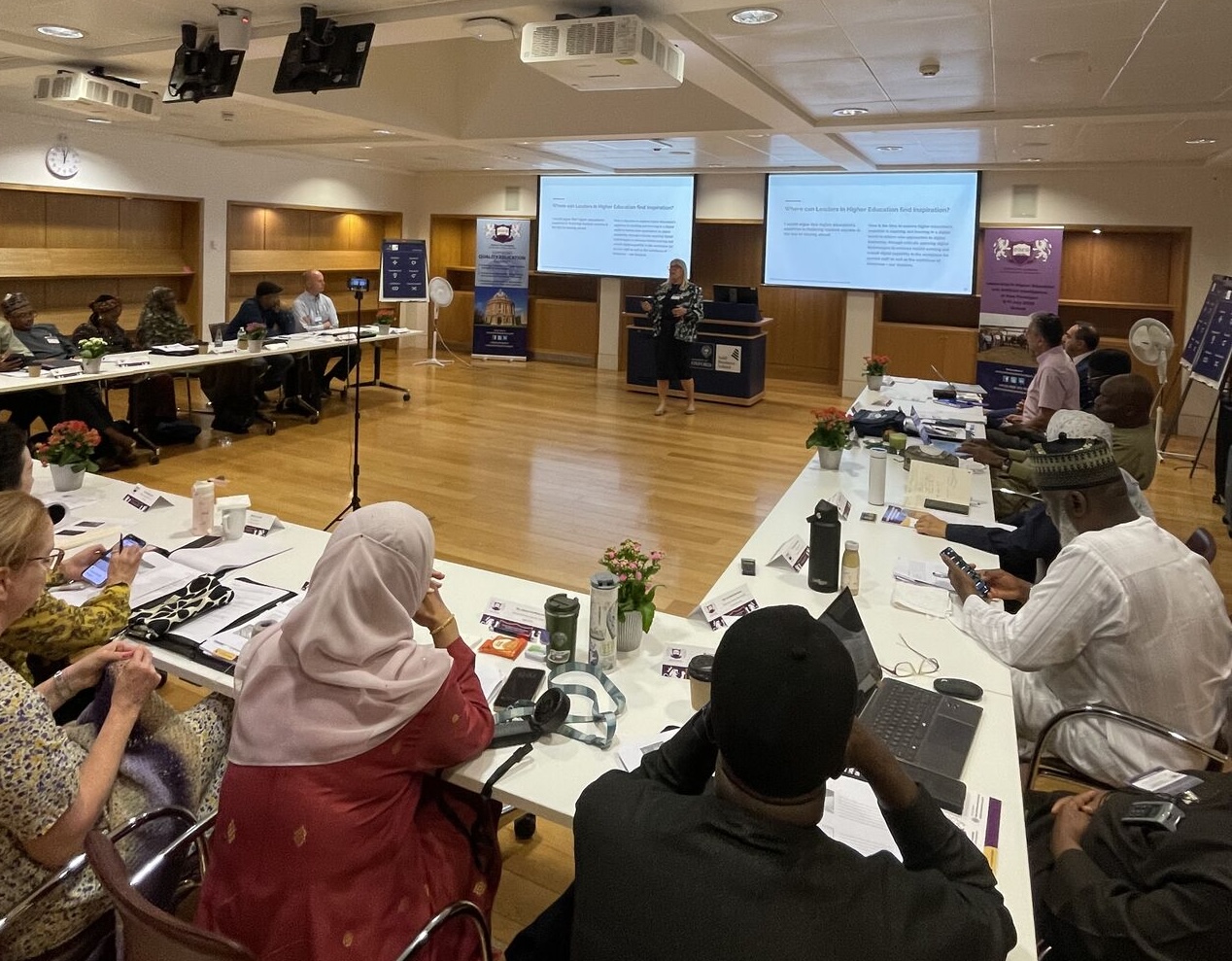
    Photo of the presentation and audience
    Snapshot of me during the presentation and the audience (Source: LinkedIn Post)

    My session was inspired by Global Trends Towards Flexible, Hybrid Working and its Impact for Digital Leadership in Higher Education, a report commissioned by the N-TUTORR National Digital Leadership Network, and which was just publisher earlier this year. It was a great opportunity to share some of the key recommendations that came out of this work and to begin to unpack how these may be implemented.

    This is a complex topic, and there was a lot packed into the talk, so I broke it down into three sections:

    • developing leadership capabilities in critical digital and date literacies, with a focus on frameworks that reflect changing practices in the AI-enabled workplace (or classroom);
    • enhancing leadership skills for hybrid working (and learning) in Higher Education, emphasising the central importance of building trust and balancing the overlap between professional and personal;
    • finding inspiration at a time when everyone is already overworked and under-resourced, opening up a perspective beyond the current hype cycle.

    Given that we ourselves were experiencing Oxford’s city centre in heatwave conditions, I can only applaud the delegation’s energy and interest in engaging with these topics on the final day of their busy programme’s week and before lunch, as well. We had lively discussions which only served to highlight to me how widely our experiences, practices and policies around hybrid working futures vary. And it gave me much food for thought about what else I would like to include in the research for the book I’m writing on.

    A big thank you also to the organisers for making me feel so welcome, and for bringing together a really interesting group of people! If you’d like to learn more, explore my session slides.

  • Fun. In the Sun. In Dublin. OR Education after the algorithm

    Fun. In the Sun. In Dublin. OR Education after the algorithm

    Recently, I took part in Education after the algorithm: Co-designing critical and creative futures, 20-21 February 2025, in Dublin, Ireland. It was a fantastic event for for thinking otherwise about critical AI and post-AI pedagogies of higher education as part of the Erasmus+ Hacking Innovative Pedagogies: Digital Learning Rewilded (opens in a new tab) project.

    More about my talk is at the bottom of this post, but for now, I’d like to share some reflections from a fabulous few days, which left me feeling both uplifted and inspired. And that in itself is quite a tall order these days.

    I didn’t get to attend much of the online day due to still being on route to Dublin, so I doubly appreciated the opportunity to meet up with some conference participants informally in the evening and catch up on the days events. Many hugs were exchanged 🙂

    This was definitely one of those events at which the whole list of participants could have keynoted, and I found much inspiration in the GASTA, chaired by the one and only Tom Farrelly as only he can; the Invited Speaker Talks, which introduced me to new speakers and topics and offered so much new research (Rob Lowney’s thoughtful research into student digital literacies was a personal highlight); and the keynotes, which were rich and articulated some really complex thinking in new and beautiful ways.

    The most fun (for me) was had during the hours of zine making, first with Kate Molloy and Clare Thomson in Embedding Sustainability Literacies in Postdigital Learning Design and then with Bryan Mathers in Heroes & Villains Zine Workshop. It got me thinking and drawing and having fun whilst grappling with some weighty topics.

    And there was that meticulously informal touch of the conference organisation committee, represented on stage on the day by Eamon Costello, in word and song and heartfelt hugs. The conference badge design, including four activities on the back, was pure genius and I must admit that I had a lot of fun “re-wilding” my conference badge.

    The day flew by, and the next morning dawn bright and sunny over Dublin, gifting us a perfect, mild spring day for a bit of sightseeing before returning home.

    Thank you to everyone involved in making it happen. What a fabulous event that walked the walk, and gave me a taste of what can be achieved with a bit of intentionality, hard work and heart. It certainly gave me a little bit of hope for what’s ahead, and for education after the algorithm.

    My talk: Critical Cadence: Reclaiming the Pace of Digital Productivity

    I’ve created an audio resource to listen to whilst moving through a landscape, by for example walking. In this recording I expand on strategies and practical ideas to use movement in contemplative pedagogies and outdoor learning, and to notice how the pace of thinking and doing changes in motion.

    I’d love to hear from you, so get in touch and explore more of my work on walking.

  • Jolly Holidays on the Open Web

    Jolly Holidays on the Open Web

    It’s the time of year again… and as someone who works remotely with clients across different timezones, most of my ‘festive’ moments at work are unceremonious video calls that end abruptly as everyone rushes off to their next meeting. Meanwhile, across the various social media spaces I take part in, corporate messages of (apparent) goodwill mix uneasily with cheery commercial overload, making it hard to find the actual updates from actual people I care about. Jolly Holidays on the interwebs this isn’t!

    Fortunately we can breathe a little easier, as there is still real fun to be head online for those of us working in education and edtech, in the form of Reclaim’s Rewind 2024 series of free and open events on the radio, tv and social activities! I am really excited to be part of this, and to have a group of wonderful people to share the run up to the holidays with.

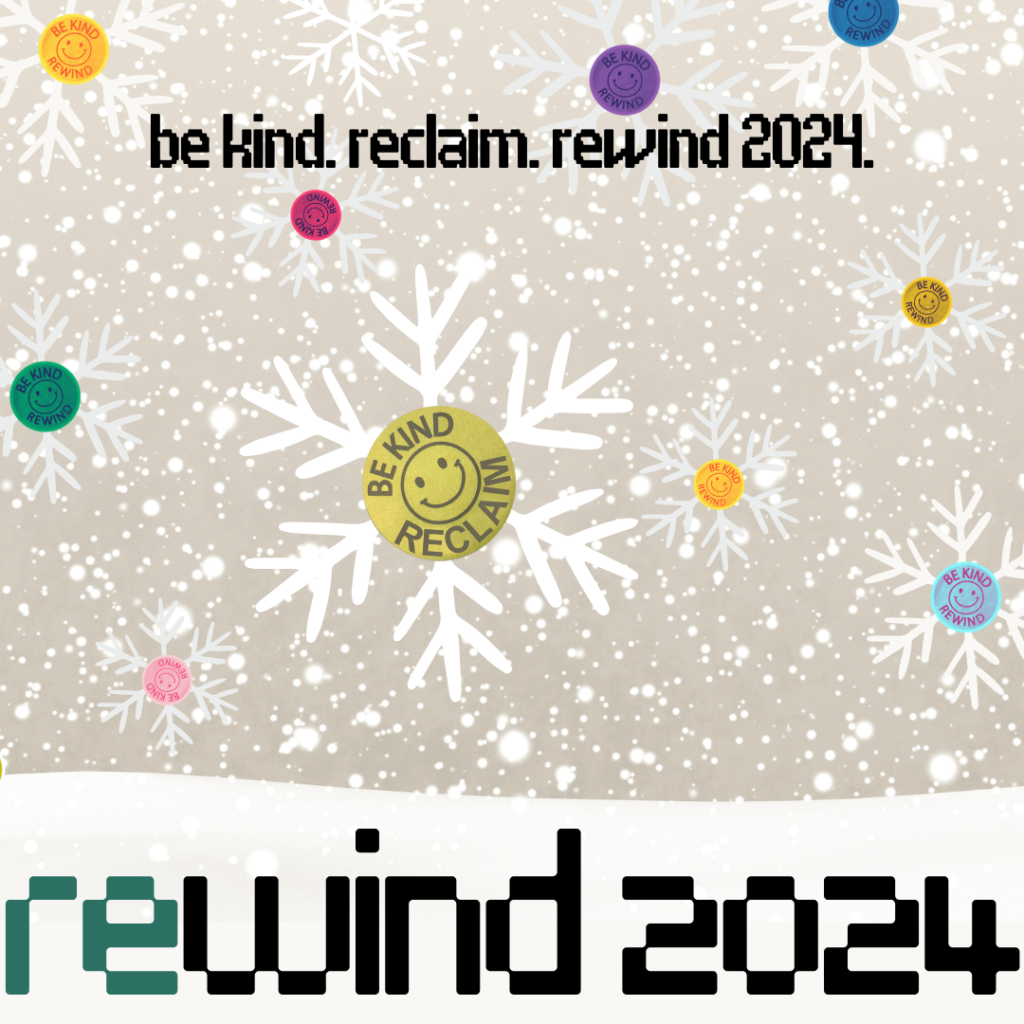
    Event logo

    It’s precious to me to take some time to celebrate community and have the opportunity to connect with colleagues, reflecting together on the highs (and lows!) of the year that’s been, and gather our strength and find some renewed inspiration before the new year starts.

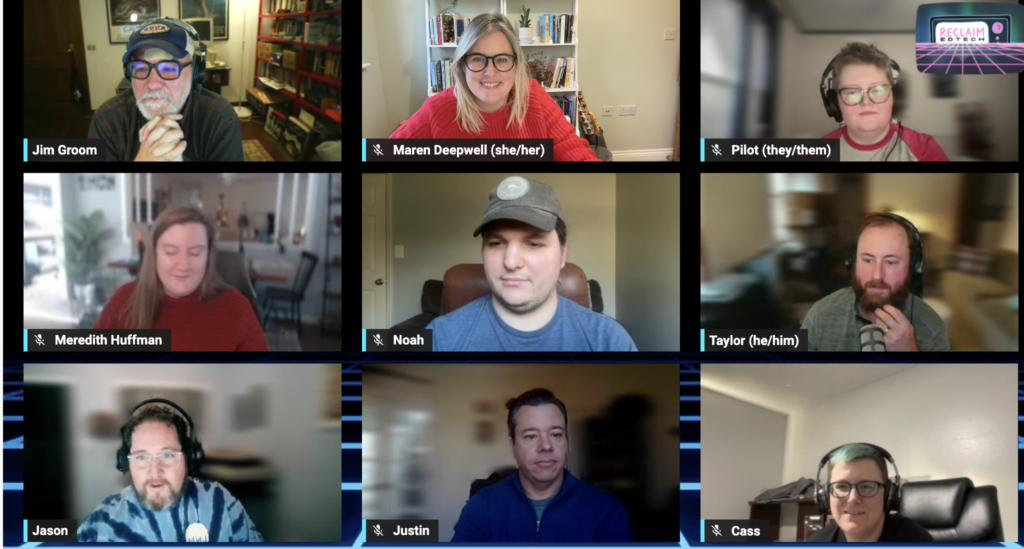
    Kicking off the whole series was a team outing on Reclaim TV, sharing some of the best bits of 2024, the drama that shook the (edtech) world (hello, WordPress bros) and how the team have come out fighting the “good fight for indie edtech” on the other side. 

    Next up was what we called a “Case Study Bonanza”, featuring special guests from a number of schools that work closely with the team and the one and only Bryan Mathers:

    But… the best is yet to come! This week, there are the two biggest events coming up and I hope that you will join us, so here are all the details:

    Community Chat: Rewind 2024

    December 18th 
    For this final community chat of the year we are inviting ALL our special guests from 2024 to come together. You will hear updates of the exciting work happening across our community and have a chance to share your own highs and lows of 2024. This is our time to come together to say thank you and acknowledge and appreciate everyone who works in open edtech in Higher Education. 
    Event info

    Reclaim Rewind 2024: Live on DS106 Radio. It’s the HOLIDAY SPECIAL

    December 20th
    We are inviting you to join us for the one and only edtech radio holiday special, featuring guests from the legendary DS106 Radio Summer Camp. There is going to be story telling, holiday tunes and, if you are very lucky, even a bit of festive KaraOERke. The elves are working hard on that one. So listen in and play along as we ROCK the airwaves and ring in the holidays. 
    Event info

    There are also a couple of DS106 Radio hosts, myself included, who will be jumping on the airwaves to play music and chat, so follow the #ds106radio on Mastadon to find out what’s on, and tune in to DS106 Radio.

    It’s such a joy to be able to have some actual time together with folk without the clock ticking on yet another meeting, and to be able to dip in and out of the festive fun as I sit at my desk finishing off my work for the year.

    During the pandemic edtech folk became an educational emergency service, and everyone suddenly wanted to learn about how to use technology at scale, fast. Those days are fortunately behind us, and these days hype headlines about AI are more likely to pull focus. But for me, it’s definitely the human beings (not the technology) that made this year, and it’s all the unsung (edtech) heroes, grinding away at keeping the open web a possibility for future generations of students and educators, that I’ll be celebrating with this year!

    Wishing you, and yours, Jolly Holidays on the Open Web!

  • Event preview: ALT CPD webinar – 25th September

    Event preview: ALT CPD webinar – 25th September

    This month I am excited to join my former home institution for a lunchtime CPD session! I was really glad to be invited back and looking forward to working with the community of learning technology professionals for this free event.

    What’s in store

    During International Week of Happiness at Work, this webinar offers a session specifically designed for Learning Technologists looking to increase wellbeing at work. We’ll explore how increased use of digital technologies for communication and collaboration, alongside learning, teaching and assessment, impacts on our physical and mental wellbeing.

    If issues such as tired eyes from long hours spent in front of screens, to digital overwhelm and lack of movement during days of meetings sound familiar to you, then this session will offer practical approaches to adopt healthier working habits for hybrid teams.

    Using practical tools and interactive activities the session will support you in reflecting on your current practice and identifying what actions to take next in your wellbeing journey for the new academic year.

    This workshop is a follow up to my first book, Leading Virtual Teams, which was published by ALT in 2022. Work is now underway in a second Open Access book, with a focus on long term hybrid working, how it impacts our senses and the relationship between human beings and technology, in the context of the radical shifts in the balance of power in the workplace (as in the classroom) with the advent of AI and surveillance technologies. This new book won’t be a solo project, but a wider collaboration with case studies and interviews with leaders and experts. If you are interested in contributing, get in touch

    Register for free

    • When: 25 Sep 2024 from 12:30 PM to  1:30 PM
    • Where: Online
    • Price: Free
    • Register: Via the ALT Website

    Don’t miss out on future events. Subscribe to my free monthly newsletter!

    [newsletter_form type=”minimal”]
  • WiAL Webinar: My Leadership Journey

    WiAL Webinar: My Leadership Journey

    The ASCILITE’s Women in Academic Leadership Initiative aims to provide mentoring opportunities for academics and brings together its members via a community approach to support each other to progress in academia. Thanks to a recent invitation to speak at an upcoming WiAL webinar, I have started to think about my journey as a leader and what I could usefully share with this group of inspiring and aspiring academic leaders.

    My story, like so many of us who work at the intersection of education, technology and more, is not a straight line from degree to equally distributed career arc. My academic background in art and anthropology is not a natural stepping stone into non-profit leadership or project management even though to me it all makes sense (at least in retrospect). So when I share with people that I spent my PhD research in a cemetery and somehow less than ten years later I was the CEO of an edtech organisation there are definitely some curious glances.

    To bring some kind of order to the messy madness I have decided to present a couple of snapshots, rather than try to present a coherent narrative. From the beginnings of my undergraduate studies in the 90s, to my PhD years and even much of my early career a lot of my (paid) work involved bookshops, cafes, cinemas and market research. In short, any job that you could do as a young, foreign worker in the UK whilst still attending lectures sufficiently to pass my studies.

    Slide with the text: 90s Beginnings 
I moved to the UK in 1997, and went to art school. 

I trained as a sculptor in London, UK and spent a year at the Fine Art School in Athens, Greece, before started post-graduate studies in Anthropology at UCL, London, UK in 2003.

    When I think about what is important to me in my leadership practice, I think about my values and how what I do and the approach I use align with and reflect those values. Alongside my values, there is what motivates and drives me. Leadership roles can often feel quite lonely and isolated, and the more senior you are the more others look to you for encouragement and vision. Which brings me to the third aspect: developing my own voice.

    For me, that process didn’t happen in isolation. I had invaluable support from my long-term mentor as well as allies from the Board I was working with and other senior colleagues external to the organisation. They helped me build confidence, not just capability, and encouraged me to find things I am passionate about. They also helped me step into larger stages, to develop my presence for giving keynotes and writing opinion pieces.

    Slide with the text: 2015 - 2019 My Voice. Together with my long term mentor and allies from the board and other senior colleagues I found my voice as a leader.

    Looking back at that list of keynotes and articles brings back a lot of good memories for me. In those years prior to the pandemic my perspective had begun to expand, and I started to enjoy being part of a wider dialogue. I had found a good balance between having experience and still being new enough in my sector to see opportunity for change. I was excited to be doing what I was doing, and I made connections with people who really opened up my mind to new (to me) ways of thinking, writing and working.

    These relationships provided a very valuable network of support and inspiration when the pandemic hit and I entered my first years of permanent crisis as a leader. All risk registers were RED, all of the time. Everyone I knew and worked with was constantly fire fighting. The world had been turned upside down, and education with it.

    My voice as a leader during those years of crisis had to become one of clarity and decision. We had to get through it, and eventually, we did. Relationships were both strong in solidarity and fraught by lack of sleep, energy, rest and hope. Like many, the pandemic prompted me to re-evaluate things and having reached a point of organisational recovery I was proud of, my energy was spent and I decided to embark on a period of transition to a new chapter in my career.

    2023 was focused on that process of transition, of letting go for a lot of relationships I had built over a period of 15 years, and starting to lay the foundation for my next chapter and a new way of working. What I discovered during that period is that being a leader is part of who I am rather than something I do, or a job title. It’s stayed with me, even though the only person I manage is myself and I run my own little enterprise rather than an organisation for thousands of members.

    At this stage in my career I feel I have less to prove and more power. Now I am looking to leverage my expertise and experience to achieve the kind of work life balance that works best for me, to be creative and have fun and to follow where my curiosity may lead me.

    Slide screenshot with the words: Next? What I've discovered this year is that being a leader is part of who I am rather than something I do, or a job title. At this stage in my career I feel I have less to prove and more power. Now I am looking to leverage my expertise and experience to achieve the kind of work life balance that works best for me, to be creative and have fun and to follow where my curiosity may lead me.