Category: Uncategorized

  • My March ’21 in 10 Tweets

    March has been full of adventure and as we near the end of the month lockdown rules here in Wales have been relaxed and I look forward to slightly more options to venture away from home… safely. Cause of (cautious) celebration. So this is my March in ten tweets:

    FemEdTech Curation and International Women’s Day 2021

    It was my privilege to reflect on my fourth year of volunteering as a guest curator for 2 weeks for @FemEdTech. If you haven’t come across it before, I encourage you to:

    The last time I curated the account was just over a year ago, in February 2020. In this post, I wrote about my experience, and the humanity I found in our hashtag, our network. Things had changed enormously since May 2018 when I first volunteered, and also March 2019, my second time as a guest curator.

    Each year, I used my time as a guest curator to reflect on how much our community had developed and grown and it is no different this year – and yet everything is different.

    My curation slot also coincided with this year’s International Women’s Day and it was fantastic to connect with so many of the colleagues in the network.

    Dog Days of a different kind

    At the start of the month this young lady arrived in my life and this is my first experience of bringing up a puppy. That’s been a completely different kind of adventure, and a welcome one for sure (although not sleeping much to begin with didn’t make work or any other part of life any easier!). Thankfully, she’d settled in beautifully and with the help of a very good dog trainer we are making a LOT of progress (#CEOdogInTheMaking).

    Podcasts and articles published this month

    It’s been a super busy month recording podcasts and writing articles, and I had a lot of really interesting conversations which I am grateful for!

    New beginnings… and an anniversary

    I have been blogging more about leading a virtual team this month:

    What’s best?

    Getting ‘back to the office’?

    Staying with working from home?

    Who decides and what should we base this decision on?

    Having led my team from being office based to working from home with in person elements to working entirely from home for 12+ months with no in person contact, I’ve had a lot of experience with the different options.

    https://marendeepwell.com/?p=2947

    It’s been timely to reflect more on our team, as we have been welcoming new colleagues this month, including another PhD researcher, which means that more than half of the team I lead is currently undertaking research. I am really proud to have such an actively learning organisation!

    The last weekend of this year brought a very special moment as Anne-Marie and Tannis and I marked one year of broadcasting our Sunday Specials on ds106radio. It’s been quite a year… !

    Quick links

  • Re-post: HUMANITY OF DATA.. #ALTC

    This post was originally published here http://femedtech.net/published/humanity-of-data-altc/ .

    Nice to CC you by Dr Maren Deepwell CC-BY-SA

    Inspired by this post by Frances Bell and the upcoming ALT Annual Conference I have been reading up on a this approach for “aspirational metrics” D’Ignazio & Klein (2018) use for their forthcoming book Data Feminism, and in particular their thoughts on the humanity of data, which I’m quoting below:

    We acknowledge the humanity of data

    We recognize that the transformation of human experience into data often entails a reduction in complexity and context. We further acknowledge that there is a long history of data being “all too often wielded as an instrument of oppression, reinforcing inequality and perpetuating injustice,” as the group Data for Black Lives explains. We keep these inherent constraints in mind as we write, attempting to introduce context and complexity whenever possible, and acknowledge the limits of the methods we discuss as well as their strengths.

    It’s of particular interest to me as I’ve talked a lot about gender equality in the last six months and ever since I have added graphs and tables to the talk, people have listened a lot more closely. There’s a lot to be said for having tangible, measurable indicators of progress or even lack thereof when it comes to talking about topics like gender inequality in the workplace, but I also worry that by focusing on the charts and graphs, on the data, we don’t do enough to acknowledge what’s being lost in the analysis. At least I don’t feel like I’m succeeding at putting something like the approach outlined above into practice the way I think it should.

    Partly, I believe, that is because it’s much easier to create a dialogue when the conversation is less personal and as a result less confrontational. It’s much more possible for most people, in this case for most men, to talk about recruitment targets or percentage point increases than it is to witness the narratives that in this context women may share about their everyday experience of discrimination or harassment.

    When we create visual representations of our human experience, in this case of women working in learning technology, much of what the authors call the complexity and context is reduced to commonality. In order to communicate the scale of the challenges we face we must reduce our individual stories to let’s say a single headline. A headline that grabs your attention, that conveys urgency and relevance.

    And yet…

    Whilst I know that there are big advantages to using data and data visualisations to tell this kind of story, and I am an avid reader of work that helps us chart and address the gender data gap, I think that it also helps to depersonalise the problem. Charts are rarely labelled ‘me and you’ if you know what I mean and it’s far easier to feel that the problem is somewhere else, someone else’s responsibility… rather than right here in this room and cause for personal action.

    That then is my hope for our conversation at the conference this year and for the values we share: that we will use whatever communication methods are at our disposal  to make more people feel that they have a role to play in fighting for gender equality (in learning technology), and further, that it is each and every one of us that needs to take some personal responsibility to make that change happen.

  • Reading, writing – and a budget line for time

    Like many, I have been inspired by posts and a conversation about writing, in particular these posts:

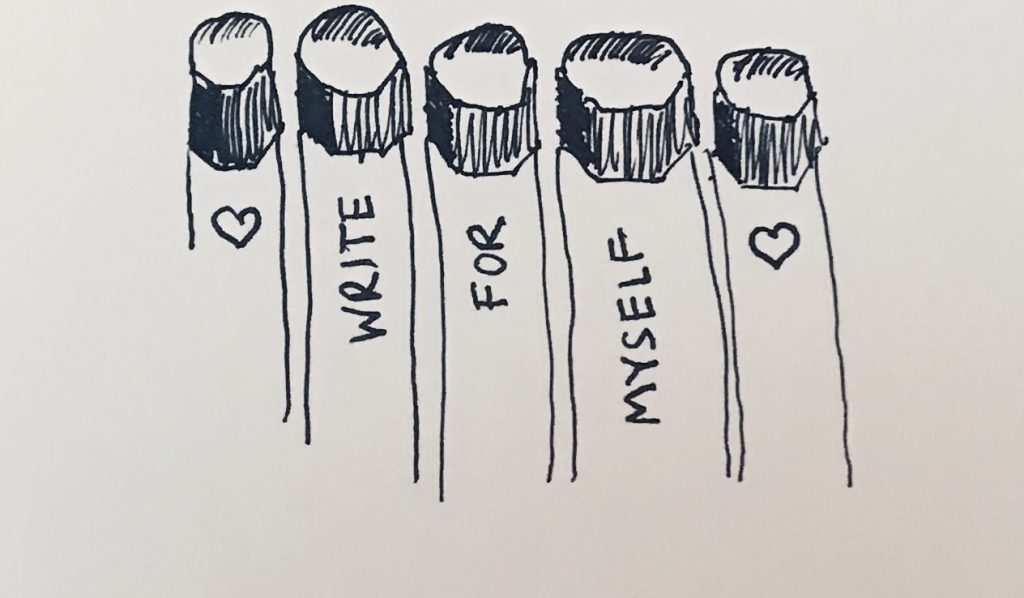
    I find it resonates with me because I, too, write all day and most of the time my audience is a folder or an upload bar. But I also have the privilege of having a voice and a platform to be heard, in my professional practice, and alongside that I have cultivated spaces (and time) in my life that allow me to write and think out loud on my own domain, in my journals, both in the open and in private.

    I think and reflect much through conversations, conversational writing and writing and I find without the discipline to keep articulating what’s in my head and in my heart, I am left with nothing to say. Like Kate writes in her post:

    This sense of being choked is spreading around a community of good writers I know, like ocean plastics. It’s as if we’re in an extinction-level event, even as we mostly work in universities, and we are also drowning in words.

    I had that post at the back of my mind during a conversation this week about the value of time, the value of creativity in professional practice. We were looking at a table charting progress and I was wondering about where on that particular spreadsheet we had a budget line for time to think. Time, as the poem says, “… and instantly there is space and the radiance of each bright galaxy”.

    I value what time to think, time to be creative, to have ideas and reflect, bring to my own professional practice and in my day job I likewise value that in others and for others. But even with those values, it’s hard to carve out space and time and give priority in amidst everything else that shouts much louder. In the matrix of urgent and important things I feel I need another axis for those things which are fundamental to long term well being and inspiration, things that mean something to us, that make what we do and say feel worthwhile. We need a budget line for time.

    In his post, Martin writes:

    Thinking of writing similarly as a finite resource may not be a bad mental trick to deploy for yourself. Where are you going to use that allocation up today? Is that what you want to do?

    So this morning, I woke up and with my coffee the cat and I read the Twitter conversation and instead of getting things done and start being productive, I started the day doing what I want to do and write this post.

  • Love letter: envelopes, postcards, stationary

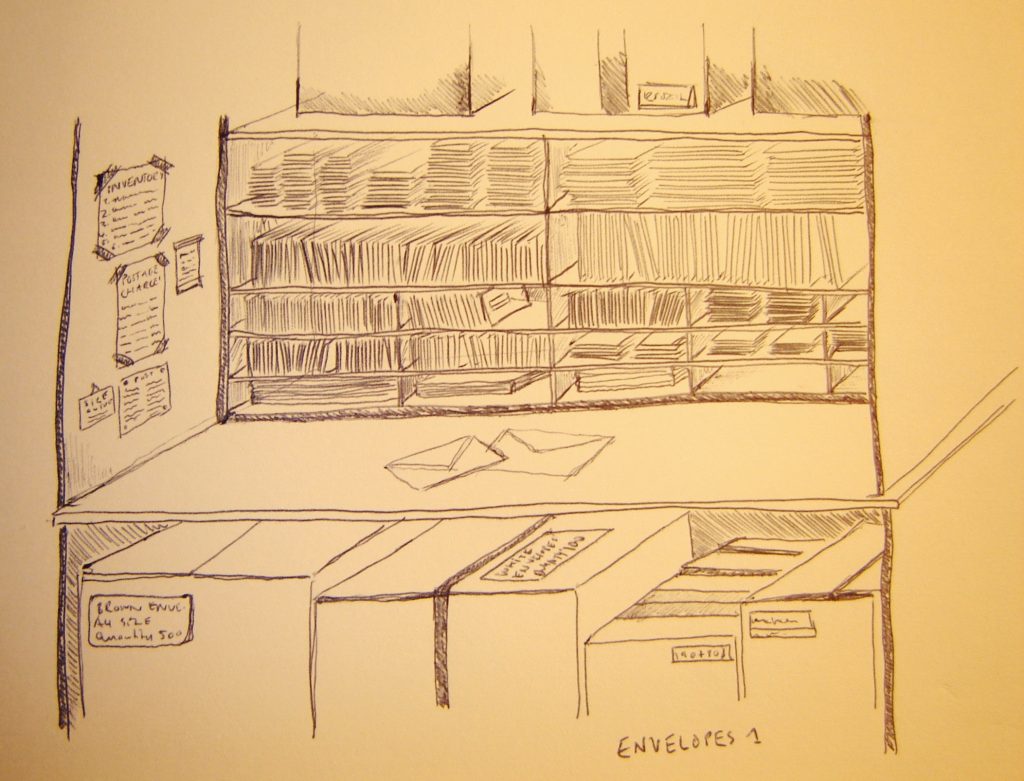
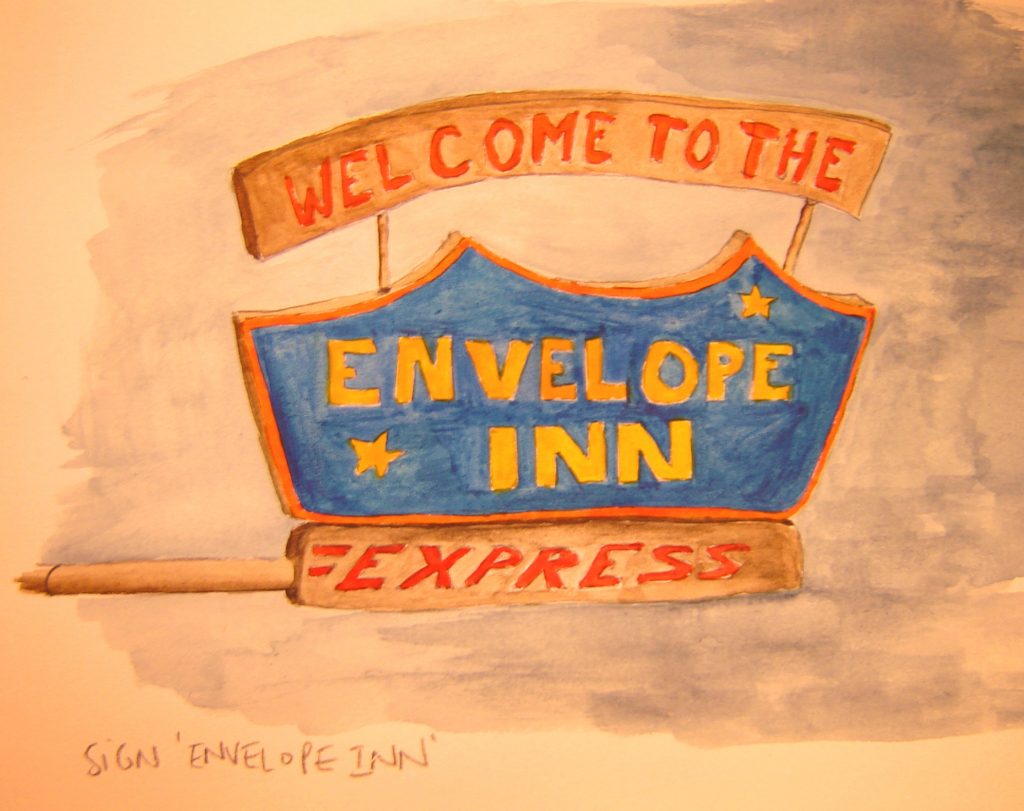
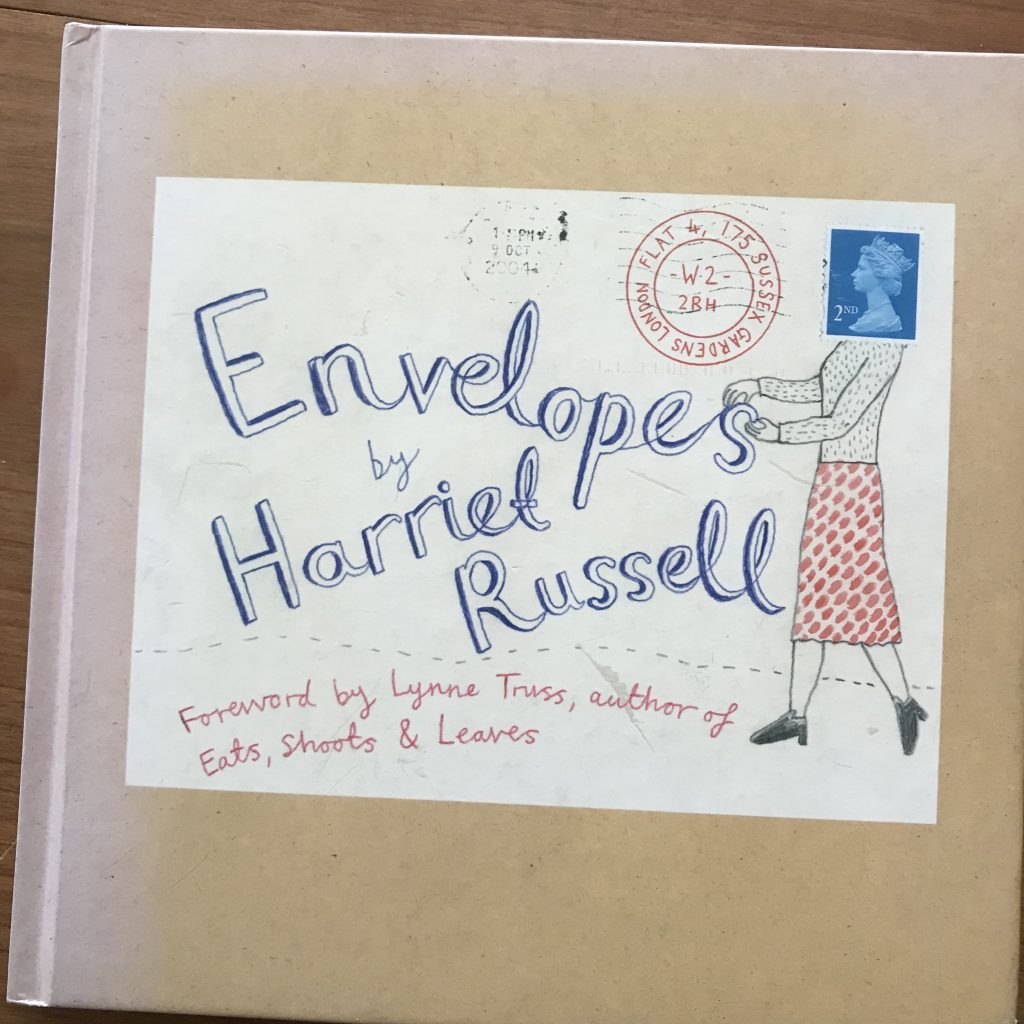
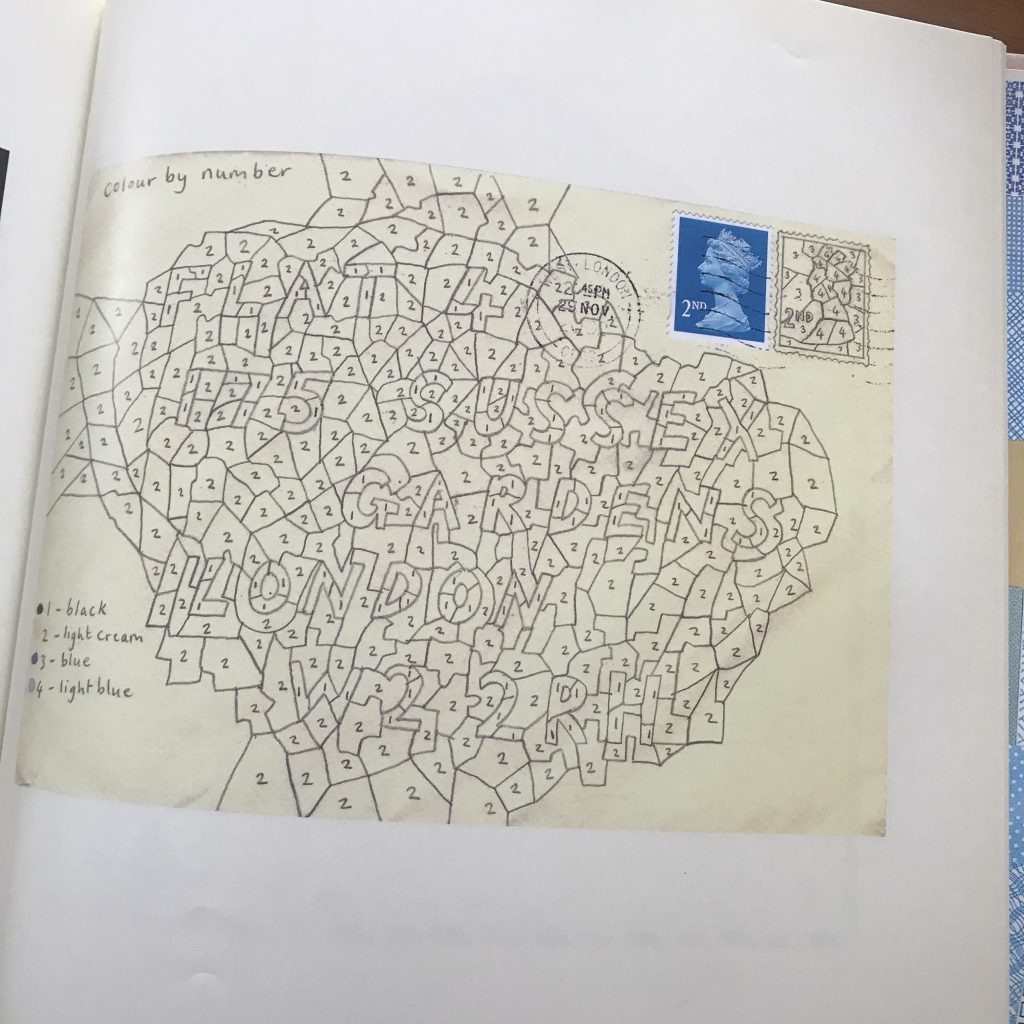
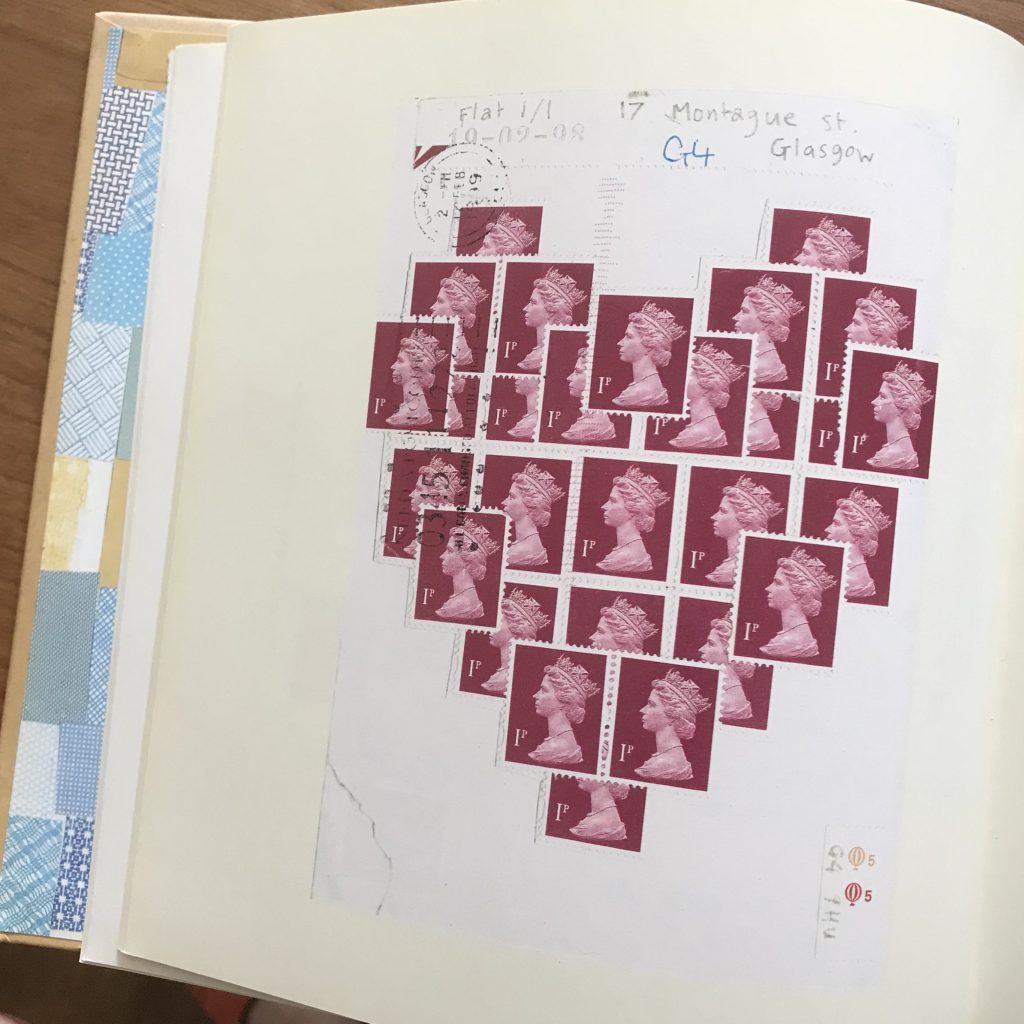
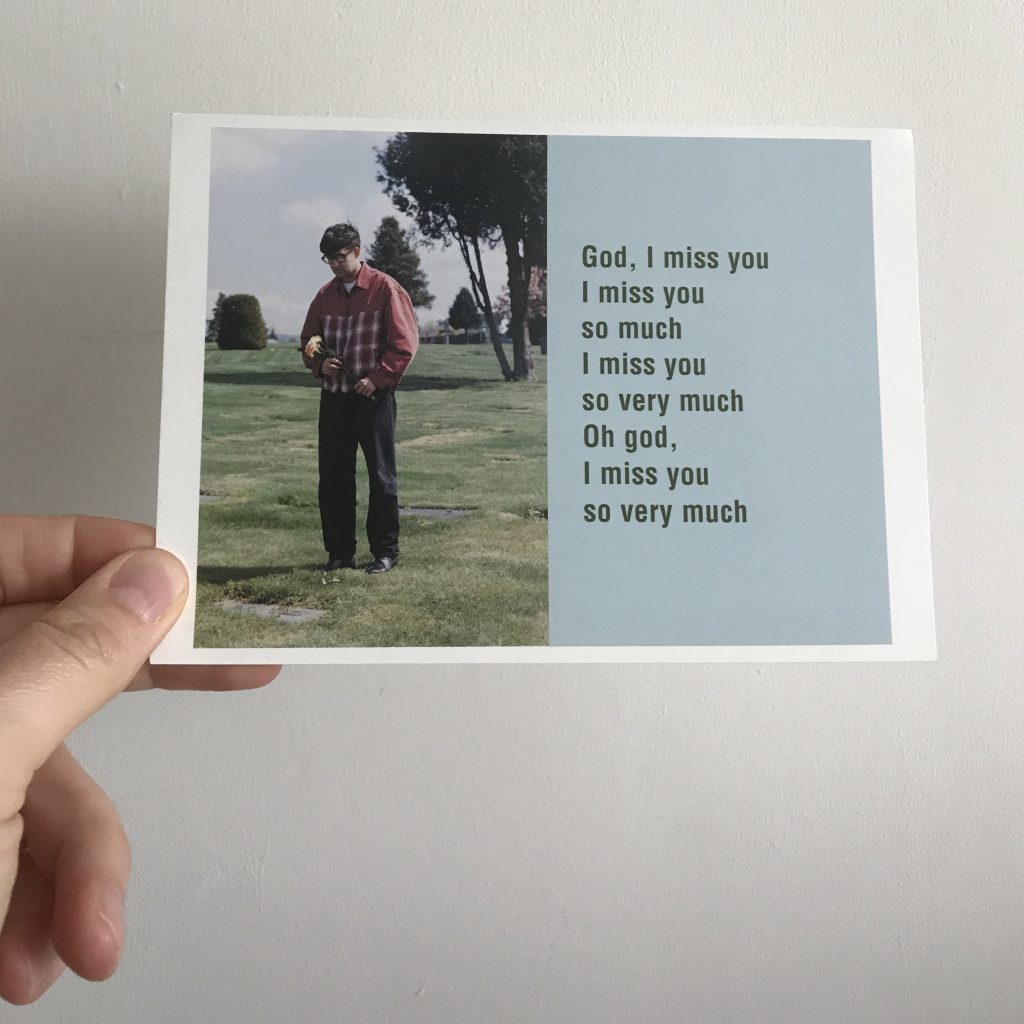
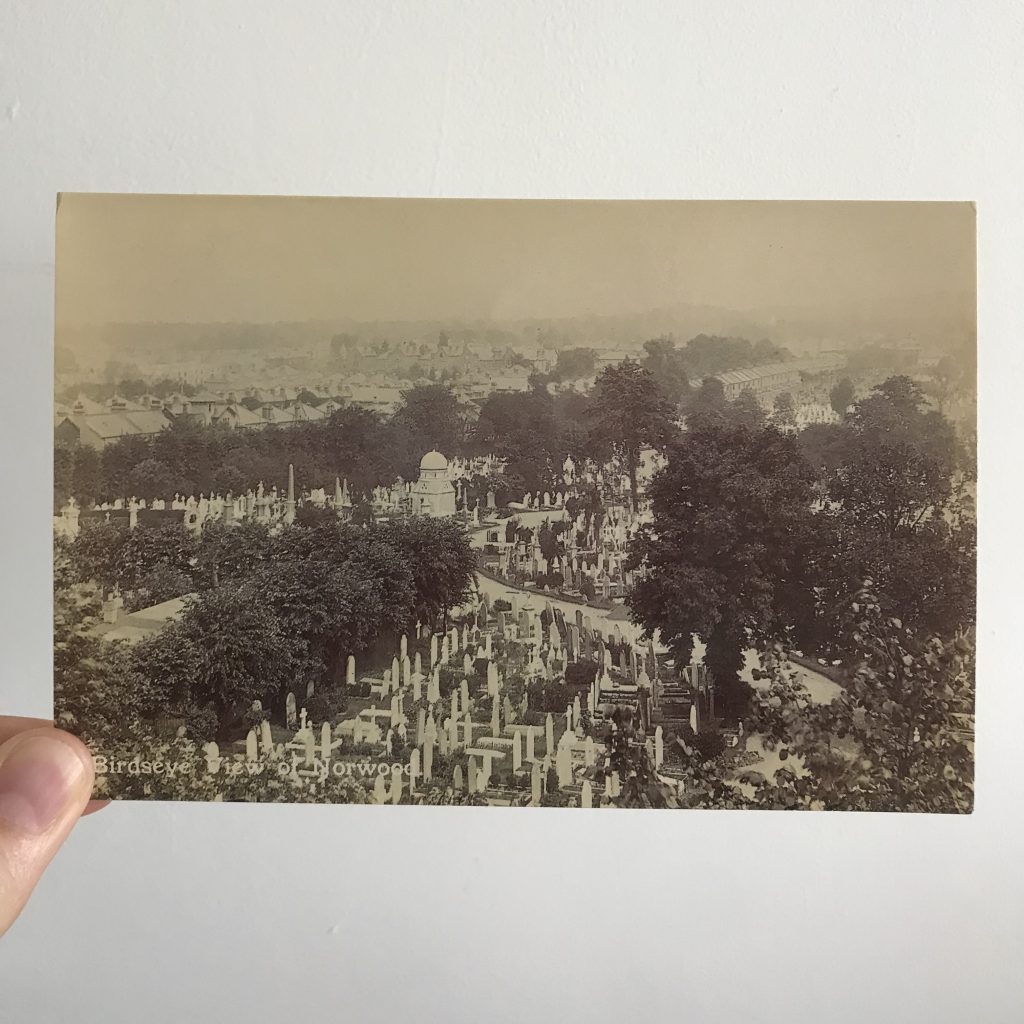
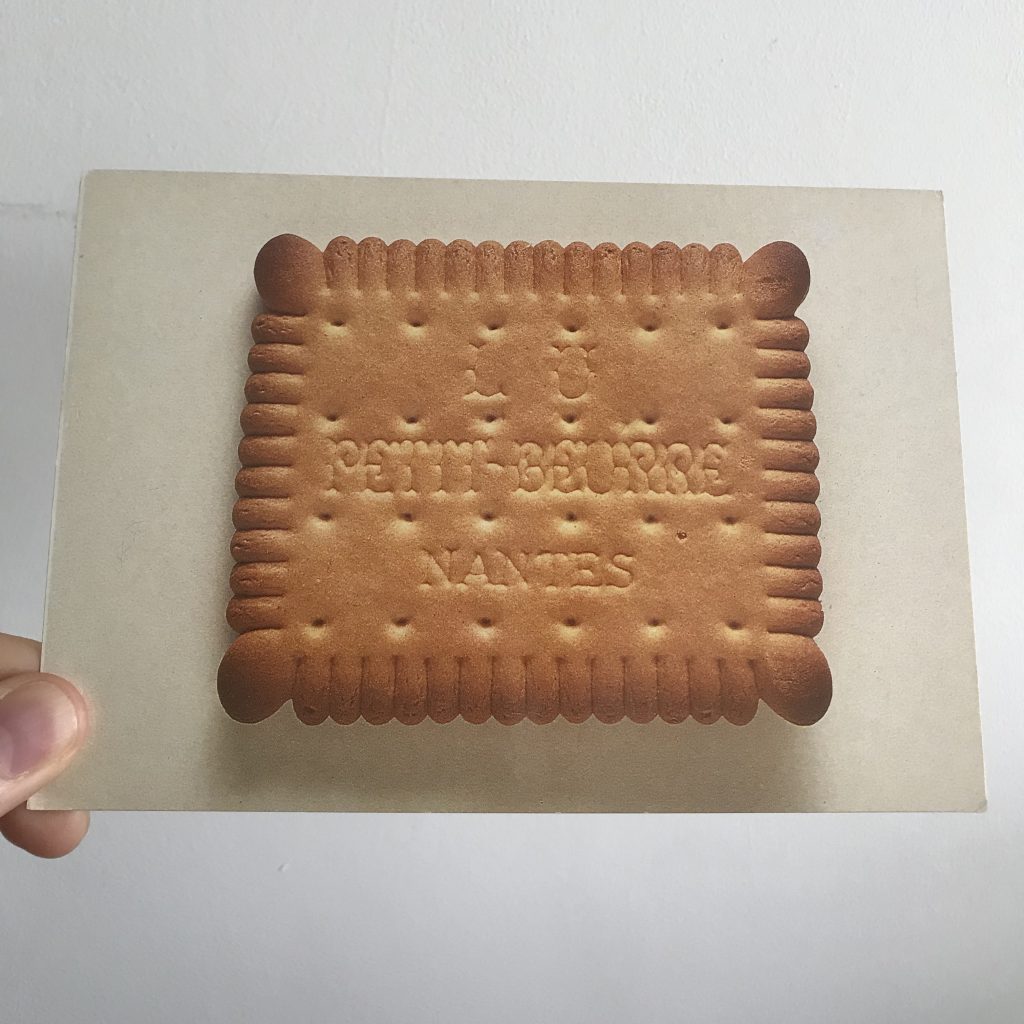
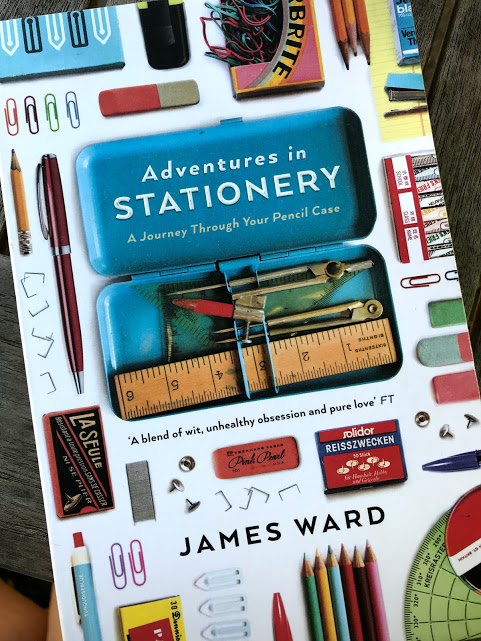
    I have collected all kinds of stationary, envelopes and postcards for about three decades and recently I have returned to my habit of sending mail, sending letters more often. I collect books about it, I have folders of postcards that I started collecting in the 1990s, a few that I love, a few that are souvenirs, a few that are waiting for just the right moment, just the right person, just the right occasion to be sent.

    And there is so much interesting history in the development of reading and writing tools, in the history of postal delivery, the postcard and the letter. In a world where handwritten messages, physical letters and postcards become rarer each year, it’s good to pause and reflect on the joy of these material things.

    Nice to CC you by @visualthinkery is licenced under CC-BY-SA.
  • Virtual teams: a special podcast edition

    Cover image: Special Podcast Edition: Reflecting on the first year leading a virtual team

    This post continues the series on openly sharing our approach to leading a virtual team – a joint project with Martin Hawksey (cross-posted here) for which we write a monthly blog post and this time recorded a podcast for you, too.

    What a year…

    With the transition to becoming a distributed organisation and one year of leading our virtual team under our belt, we reflect on the highs and lows, the good and the bad and most importantly on what’s ahead as we continue to develop this project in open practice.

    Maren: There’s so much I’d like to talk about that it’s hard to know where to start. First, I’m excited about how a transition plan on a spreadsheet has turned into reality, how the organisation we lead has changed over the past 18 months. Second, there’re 101 things I’ve learnt along the way, from how to set up a PO Box when you are a distributed organisation (harder than you think) to how to manage a virtual team and all that that entails. And then there are all the things I’ve discovered about being a home worker… during summer holidays, family emergencies and when things go wrong. It’s never been boring, that’s for sure!

    How about how? What’s been most surprising and rewarding this past year? What are you most keen to develop next? This time next year… will we be millionaires?

    Martin: Time has really flown by, it only seemed like yesterday that we started putting in place some of the operational changes for moving to a distributed organisation. It’s only the fact that I’ve started to receive renewal notifications for annual licences for things we didn’t require before in a host institution that I’m reminded of the realities of the changes we had to put in place. In some ways I have to say that the most rewarding thing in the past year has been the shared monthly posts we are doing. When we started I thought it would be useful to share with others the journey we as an organisation were on. I’ll let others decided whether it has been useful or not, but regardless I’ve personally greatly benefited from the opportunity to reflect on progress and consider where we go next. Reflecting on December something that stood out for me was in September’s post on the ‘serious upsides of working in pyjamas’, we discussed remote worker wellbeing. In December as the cold has set in it’s been noticeable how we’ve swapped pyjamas for thick jumpers and blankets. As a remote worker you’ve the benefit of having more control over your working environment. The downside I find, particularly if you are a skinflint like me, is you are reluctant to put the heating on if you are the only one in the property. As an employer our organisation is limited in what we can do. We all get a home working allowance but that is limited and it is up to us individually to decide how it is used. Seasonal variations in remote teams wasn’t something I had anticipated. Do you have any standout unanticipated moments?    

    Maren: It often feels to me like this whole year has been one long unanticipated moment. There’s definitely a lot we could talk about in that whole area of remote working and wellbeing. Writing these posts has helped us both become more aware of the complex issues involved and it’s interesting just how much there is to unpack here, both from the perspective of a small employer and ourselves as individuals.
    Another question you touch upon is whom this kind of open leadership practice is for. Our readers include our own team, the Board of Trustees whom we report to, Members of ALT and our professional networks. On Twitter, LinkedIn and our own blogs as well as at events we’ve been getting comments, questions & feedback – and many of them are about open practice rather than the virtual org transition. Senior staff don’t often adopt the approach we are taking, to discuss the inner workings of their organisation as they happen. Bringing our Learning Technology open practice into how we lead the team and managed the transition feels like an important step forward. It’s prompted me to think differently about innovating, about improving things even if they are new/in progress. No one gets to start new things on a blank slate or with everything in steady state very often. There’s usually legacy issues, deadlines, risks etc from the outset. By making time to focus on how we run the organisation we’ve been able to innovate much more in that area and that’s been exciting.

    Martin: You touched upon space in terms of time and locations such as various social networks. Something I’ve been thinking about more is mental space. This is an area we’ve talked about a couple of times, but a recent experience reminded me how important I find it to compartmentalize my workspace and personal space as part of being a remote worker and also how difficult it can be sometimes for others to understand this. Recently my parents were staying with us for the holidays. At home my ‘office’ is also the spare bedroom. Having a dedicated space for me to work is very important, not least it means I can just go to work each morning and not have to set up anything, I just switch on and go. This year my parents wanted to stay a little longer which meant they’d still need the spare room while I went back to work. As part of this they said they would make sure they would be out of the spare room/my office by 9am each day. Initially I didn’t say anything but in the end had to say to them it wasn’t going to work for me. The issue I had in my own mind is going to the office as a remote worker is more than just being at your desk at 9am. With suitcases and clothes lying around I was worried it was going to feel less like an office. Knowing my parents were in the house I was worried it was going to feel less like being at work. I appreciate for many these things sound trivial, but for me they are very important. If I worked in a traditional office in my own mind I knew it was going to feel like having my parents sitting in reception all day. I think this aspect of remote working can be hard for others to appreciate. Have you had any similar experiences?

    Maren: I’ve not worked from home for as long as you have and regular travel is a big part of my role, so I come to this from a different angle: I have created a mental work space that I can function in properly on a train, hotel room or at an event. I feel comfortable in that space. And it’s probably why I have a strong attachment to my chromebook, stickers and all. That said, creating that space in my head at my home has been tricky! Trickier than I had anticipated especially given how rarely I was desk based before working from home. And like you I prefer having physical space that’s ‘mine’ for that – but limited space, my cat, family etc really challenge that at times. I hated strongly disliked working in an office and I feel working from home is a hard won privilege. I love working from home and it suits me really well. Still, I have had to rearrange my set up at least 5 times in the first year, moving furniture, changing equipment, adjusting to how the sun comes in through the window and so forth. I have ended up with a yoga bolster as a footrest and using the windowsill as a temporary standing desk. I’m also a carer for my parents so my work/family lines are already blurry, but working from home has made that more… prominent in my mind. I may have also come to the conclusion that I would ideally need a bigger house! My work space is adjacent to the family bathroom and the main space to dry laundry as well as the notional spare room. Like you, I have to try and articulate my workspace not only in my own mind but to family, friends, guests & my cat. It reminds me of a Seinfeld episode in which George is talking to Jerry about his new girlfriend making friends with his other friends, how those two parts of his life are starting to mesh and he feels panic because he fears losing space to be ‘Independent George’ and end up being ‘Relationship George’ all of the time he shouts: ‘worlds are colliding, Jerry!’ I feel similarly about working from home – sometimes it seems like worlds are colliding.

  • 2018: my year in open practice and collaboration

    Snapshots of collaborations in 2018

    It’s been interesting to reflect on the year in Learning Technology (previous post) and that has brought about the realisation that much of what I have done this year has been in open practice and collaboration (and all the better for it!). It’s also brought about another blog post… 🙂

    Some of the work has been around governance and policy, for example in collaboration with Lorna Campbell, Martin Weller and Joe Wilson we produced a policy paper for ALT on openness in education. Since the paper was published I have been working to disseminate this call to action and one such effort was a recent post on Wonke, entitled Openness in education: a call to action for policy makers, with Lorna Campbell which was published on International Women’s Day. In the post, we examine the practical recommendations from the policy paper, how they could be implemented and discuss what policy makers could do to realise the benefits of openness in education in different sectors in the UK. 

    2017: What we have been up to [Image credit: Bryan Mathers]
    2017: What we have been up to [Image credit: Bryan Mathers]

    Or together with the Chair of ALT, Sheila MacNeill,  I wrote a Joint Report on strategic progress, 1 Feb 2018 – and we continue to publish minutes from Board meetings alongside all our governance information.  Open governance is one of the most interesting areas of work and I have been particularly enjoying talking to other membership bodies like UCISA, ILTA and ETUG about their approach or sharing expertise in groups like ALT’s strategic working group for our journal Research in Learning Technology (some of which I shared in this Gasta at EdTech2018). 

    Collaboration beyond my #altc colleagues led to this collaborative project, about how Learning Technology professionals and start-ups can work together. It started with a blog post call to action written jointly by Anders Krohn, CEO of Aula and myself, and led to a series of consultation sessions with academics, technologists and innovators, resulting in contributions to the first version of the Edtech start up guide, which was published early in 2018. Anders and I then followed up with a second blog post on the altc blog, including a contribution from Peter Bryant, LSE, to launch the guide, share some of the case studies and lessons learnt we collated and to look ahead at future work with start ups on the guide and in the community.

    My mentor, Margaret, and me, 2016

    And also, later this year, as part of my commitment to an open approach to leadership, I’ve asked my mentor Margaret to collaborate with me on a three part series to share our insights into being a mentor and what it’s like to have one. This project turned out to be much more intense than I had first anticipated and reminded me that even with experience sharing practice openly can be really challenging. We focused on different aspects of mentoring, reflecting on what it takes to get through tough times, how we built a blended approach to mentoring and the real benefits of having a mentor

    One of my favourite networks to collaborate with this year has been the growing #femedtech community and I have been advocating for the network at every opportunity at events  as well as volunteering as a guest curator of the @femedtech Twitter account. Promoting equality in all its forms in Learning Technology is one of the most rewarding aspects of my work and there is always SO MUCH more to do. 
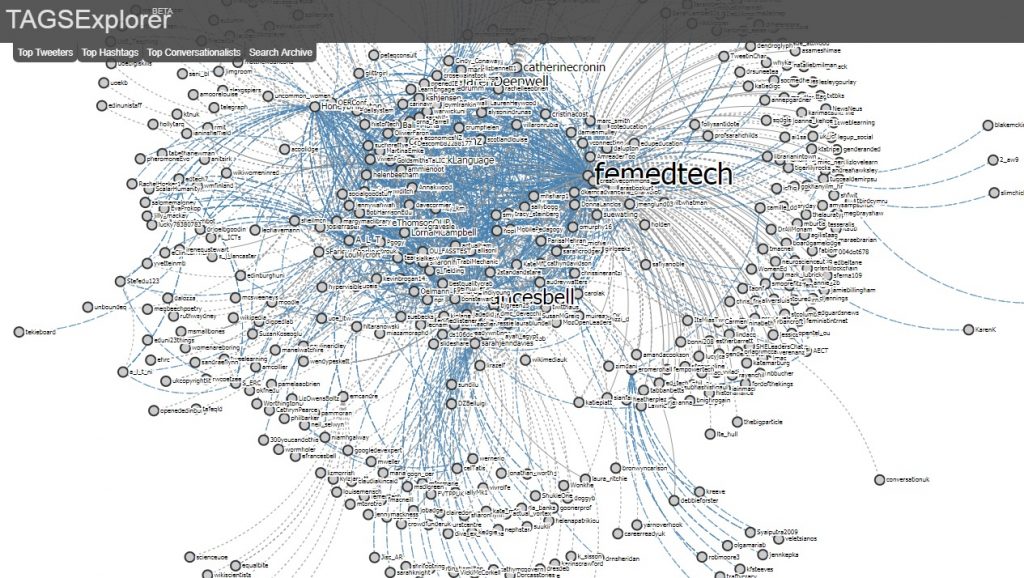
    I also set up a TAGS Twitter archive and TAGSExplorer for the #femedtech hashtag, to help chart and visualise the conversation as it evolves:

    TAGSExplorer #femedtech

    This year I have published 30 blog posts on my blog and about half of these this year have been chronicling how my colleague Martin Hawksey and I have led ALT through its transition to becoming a distributed organisation and establishing a new working culture as a virtual staff team. Our monthly series of posts has been at the heart of all my work this year, touching on everything from people management and well being at work to the technical challenges of remote working and the nuances of working in the open. Writing these posts whilst everything is actually happening, rather than sharing output from work that is in the past, felt far more scary than similar kinds of work I had done before. 

    There is much of what I do day to day that I hadn’t managed to make part of my open practice before this collaboration – leadership, management… these are not the most straight forward topics to share (especially when you are everyone’s ‘boss’). It feels easier to share ideas, innovations, practical things others can use or read up on. Sharing how we lead a team is a completely different proposition and I am glad that following Martin’s initial prompt I have taken up the challenge to create an open approach to share and reflect regularly. In previous years I have blogged about it… this year it feels like I am actually DOING it. 

    It’s also taught me much about the value of collaboration itself, about really leveraging what each person brings to the table and to create something that goes beyond anything that could have been created on an individual basis – and that, I am particularly grateful for. 

    On that note of gratitude to ALL of my collaborators this year, I am going to end this post and make plans for 2019… .