Author: Maren Deepwell

  • The One Percent

    The One Percent

    What will it take to make your day 1% more… of what you need?

    Working life for is busy and keeping a grip on things takes a lot of energy and focus. So what do you do when you grip on so tightly that you can’t see beyond what’s in front of you?

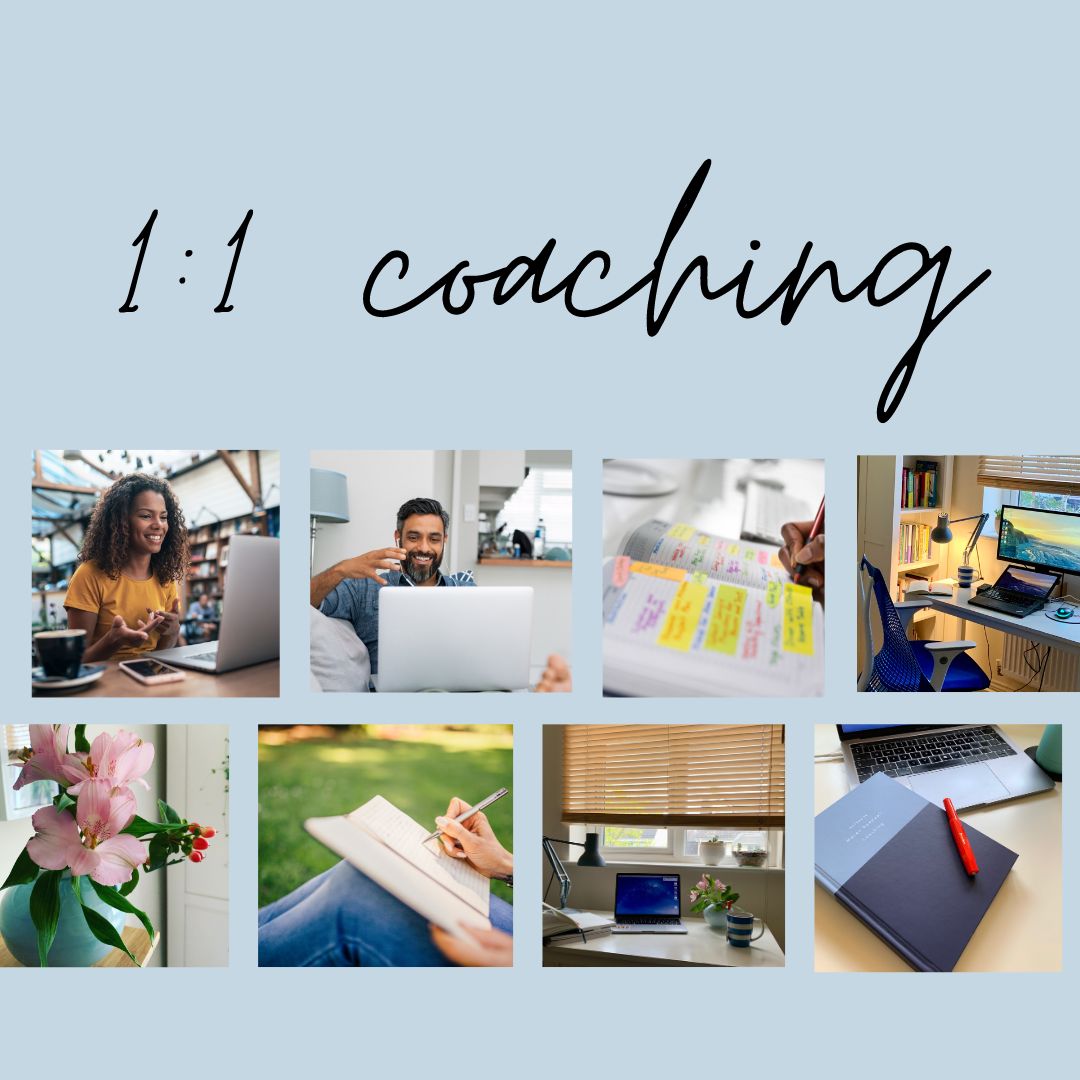
    This post is inspired by some recent coaching sessions which prompted me to reflect on how you can make small, incremental changes when adopting a new healthy habit or tackling a big change may seem out of reach. What would make a real difference to my clients, either in the way they work or how to disconnect from work?

    Listen to the podcast episode

    Starting with very small increments, even just 1%, can lead to quick wins and solve niggling issues along the way. Whether you feel like trying out a playful or pragmatic approach, you can always find ways to make yourself 1% more comfortable, even on a bad day. And along the way, you might gain a little more awareness and distance from being lost in digital productivity curves.

    Getting started

    Here is a little inspiration to get you started. Make a small change, or maybe two, and see how things shift:

    Add a sprinkling of analogue…

    • a plant
    • a nice coaster
    • photos/pictures/art
    • a rock or shell from somewhere you like
    • record player
    • scented candle or a diffuser for aromatherapy oils
    • music
    • new flavour hot (or cold) drinks to try such as new herbal teas or coffees
    • a secret snack stash (healthy or not)
    • something tactile like a soft throw or a fidget toy

    Get 1% more comfortable…

    • a new mouse mat or a mouse you like
    • wrist rest/mouse rest
    • glare protector
    • foot rest (cushion or yoga bolster can work, too)
    • headphones that suit your ears
    • eye mist and glasses that help filter blue light
    • a water bottle
    • cleaning products for your workspace, i.e. eco wipes, disinfectant, screen cleaner
    • find a window sill or high shelf you can use as a place to have meetings with your laptop or a sit stand desk or desk shelf

    Step away from your screens

    • an alarm or similar that reminds you to take regular screen breaks
    • a physical reminder to go to a different room/downstairs/outside
    • cushioned slippers or shoes (particularly handy for standing desks)
    • a paper planner/diary you can use away from the screen to think/plan
    • a lunch date/appointment with someone away from your desk
    • plant care
    • play with your pet
  • The Power of (the right) Prompts (Part 2)

    The Power of (the right) Prompts (Part 2)

    In my last post I explored how a journal of professional practice can easily turn into a superpower at work. Whether you are writing by hand, typing away on your laptop, dictating into your phone or sketching with pen and paper, I am a BIG fan of journalling (and after over 30 years of journalling for both work and in my personal life, I have tried every which way to make it work).

    As a coach, I often work with clients who just need to find the right way to articulate their thoughts, and once they’ve unlocked that, they are good to go. You know it’s working when you are able to sustain a reflective journal when you need it, and over time it becomes a habit that turns into a superpower: for example, I find it helps me enormously with gaining perspective, making a big decision or finding my path forward that I can revisit the pages I wrote on my first day as a CEO or the day I got my PhD. I can also revisit times when things were tough, like during the pandemic.

    But… what if the thoughts don’t come?

    Some of my clients find that regardless of the approach they use, words don’t flow. It can be hard at times to know where to start or what to reflect on. Instead of finding clarity or deep reflection, you end up narrating days, or making lists of things to do. Or maybe you are just staring at a blank page, and your mind goes blank.

    If you find that a particular method doesn’t unlock things for you, I would suggest you leverage the power of prompts, or rather, the right prompt for you. Prompts are powerful and can be transformative to our thinking (which is why so called “powerful questions” are the foundational tool in coaching and coaching leadership).

    A few years ago I struggled to effectively reflect. Finding the right prompts for your context can be difficult, so I looked for inspiration in Warren Berger’s The Book of Beautiful Questions, Hermina Ibarra’s Working Identity and Elizabeth Gilbert’s Big Magic.

    I found three types of prompts that helped me and subsequently many of my clients through this kind of block: first, prompts that related to the physical self, next prompts that help identify tangible examples and last, prompts that helped us understand our reactions to situations.

    Example prompts and why they work

    Prompts that help you get out of your own head

    In much of the work I do I coach and train highly skilled professionals who spend a lot of time in their head. I can empathise, as it’s one of my favourite places to be as well. That said, being in one’s head isn’t always conduce to reflective journalling or finding clarity. Which is why when I am stuck, I find prompts that relate to my senses or focus on my physical self super helpful.

    Example prompts to try:

    • What physical signals do you perceive when you contemplate this decision?
    • How does it feel to be in this place [i.e. an office, a lecture hall, a stage]?
    • What activities give you energy?

    Prompts that help calm overwhelm

    Another common reason why reflection can feel hard is a sense of overwhelm. I often work with clients facing big decisions or very high workloads, or juggling A LOT. In situations like that, everything feels… too much, too difficult, too complicated. That’s when prompts that focus on specific examples can help.

    Example prompts to try:

    • Describe a recent positive interaction?
    • What has boosted your mood or encouraged you?
    • When did you find yourself enjoying an activity or experience?

    Prompts to think through reactions

    One of the things my clients tell me they value the most about coaching with me is to have a trusted thinking partner to think through difficult situations with. To talk about awkward or emotional encounters, and to reflect on how they reacted in the moment. This is a difficult thing to do on your own, as usually the focus is on how it feels. My role is to offer prompts that shift that perspective from how it feels to why, and to help us understand the reactions.

    Example prompts to try:

    • How did it feel?
    • How did those feelings manifest themselves?
    • How did you react?
    • What would you do differently in future?
    • What can you learn from the situation?

    I’m always curious about how the power of the right prompts unlocks reflection and opens up new perspectives. If you have different prompts you use in situations like this, I’d love to learn about them, so get in touch.

  • More than words (Part 1)

    More than words (Part 1)

    A journal of professional practice can easily turn into a superpower at work.

    One of the things I know to be true is that there’s hardly ever a perfect moment when everything is done, your inbox is empty and the ocean of professional life is lies calm and still in front of you; giving you space and time to reset.

    The closest I ever got to the ideal blank slate day is the start of a new academic year, the season of new pencil cases and school starts. It’s my favourite time of year, and I love making plans for the year ahead… which usually turn out to be busy, ambitious and a lot to accomplish.

    I love the perspective it gives me, looking at the year ahead, and planning for all the things I’d like to do, at work and in my personal life. What I’d ideally like is moments of that “blank slate’ feeling or that start of term vibe throughout the year, prompting me to pause and reflect.

    For over two decades, I have used different forms of professional journalling to create just those moments for myself, and post is an invitation to try out some new approaches to this fundamental practice.

    If you’re not a fan of writing, read on, as I have included some approaches below that use voice recording, conversational reflection and drawing, too and I talk more about this on the podcast episode about this leadership superpower.

    Listen on Apple Podcasts

    Keep a journal your way

    Writing Journals

    There is no shortage of journalling inspiration out there: beautiful paper journals complete with prompts and templates, journalling techniques designed to help you reflect, develop gratitude or promote mindfulness and a plethora of apps designed to help you stick with the habits.

    I don’t think it matters how you journal, and any way that works for you is valid.

    Over the years I have come to value:

    • handwriting because it slows down my thinking and helps me focus;
    • being open and honest with myself, no matter what I end up writing and not giving into the temptation to self-edit;
    • changing formats to suit what’s on my mind, i.e. from completely private to sharing with specific colleagues to publishing openly.

    Voice Journals

    f you’re curious about using your voice for professional journalling, this activity is for you: use your phone or another device to make a voice recording (you don’t even need to transcribe or save the recording for it to be useful. It’s the recording practice that’s important).

    Dictation can help you practice articulating your thoughts to someone else as well as to yourself. It also improves self realisation in my case. For example, the other day I felt angry about something and when I said it out loud I realised how angry I really was. It helped me reflect and understand more fully how I felt. The feelings dissipated quickly, but the realisation stayed with me.

    Check out this blog post in which I have given further examples and ideas.

    Visual Journals

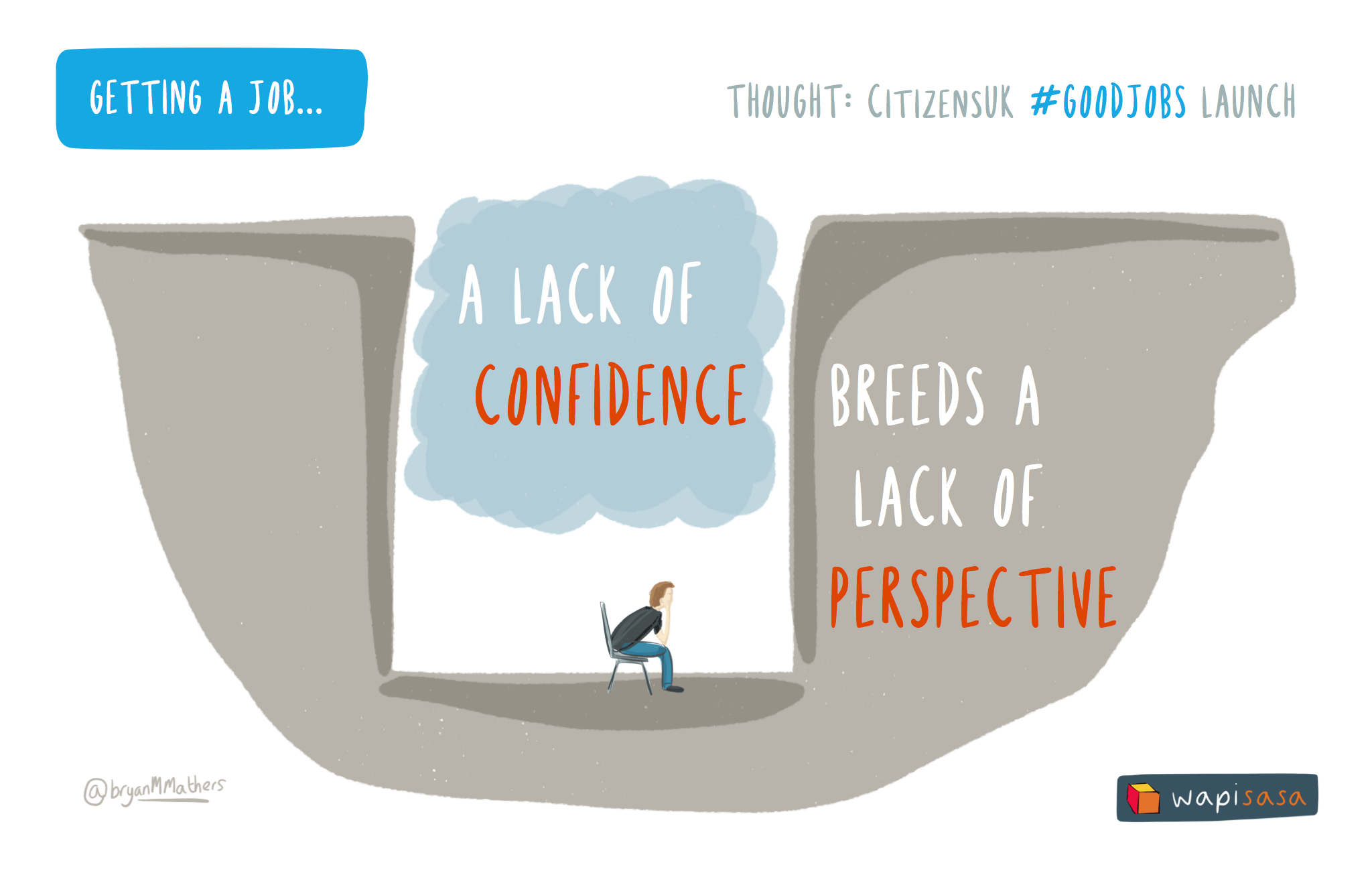
    I love the idea of visual journals, and for a couple of years I used little notebooks to make a simple black and white drawing every day. If doodling, sketching, or visually journalling about your days appeals to you, you might like to take a look at Bryan Mather’s approach using REFLECTO-GLYPHS 🙂 .

  • Newsletter, July 2026

    Newsletter, July 2026

    Hello!

    It’s been a busy and highly enjoyable month of travel and conferences for me, and this week I am wrapping up my teaching at Oxford for this academic year and also recording new interviews for the next Reclaim case study. Next week new projects are getting underway for the next few months including work my second book.

    It was not all work however as I also celebrated my birthday, and went to see The Cure play 35,000 people at Blackweir Live in Cardiff in the middle of the recent heatwave. It was an awesome evening and this month’s cover photo is one of my snaps of the show.

    If you are looking for some summer inspiration, take a look at my recent post on making your day 1% more… of what you need. In John Naughton’s recent newsletter I came across this AI Compass and gave it a try, which was a fun experiment.

    New on the podcast

    I am excited that this week we’ve released episode 150! It’s a summer special with the theme “Into the Green” and it’s been fun to revisit some of my favourite moments of this season of the podcast in the process. Enjoy!

    Listen to the podcast on Amazon Music, Apple Podcasts, Spotify, Overcast, Pocket Castsor via RSS Feed .

    Recent blog posts

    Thanks for reading!

    If you are reading this edition of the newsletter, you have successfully moved to one of the new formats. Yay! Just as a reminder, you can also Subscribe via LinkedIn and continue to read via the blog (and subscribe via RSS and follow me on Bluesky or Mastodon where I post links to the newsletter on a monthly basis.

    If you’re thinking of working with me get in touch to talk about new projects, strategy days or leadership coaching.

    See you next month and I enjoy the summer 🙂

  • OER26: The Future is Open.

    OER26: The Future is Open.

    In true OER-style the weather in Milton Keynes was super sunny. Walking across the campus of the Open University, with its green laws, shady trees and sun drenched buildings felt like joining a particularly educational summer holiday camp. Regular readers will know that the OER Conference holds a special place in my heart, and the beautiful weather and setting only added to a sense of joyful anticipation.

    I am deeply sensible of the privilege to be here, which is thanks to my work with Jim Groom and Reclaim Hosting, and delighted to come along with stickers and two talks (one for Reclaim and one for my next book). It’s a strong week for Open Education in Europe with Jim, keynoting across the channel at the OERCamp’s Future University Conference.

    Day 1

    (In some ways OER26 started the day before the conference proper, with an invitation to visit Bletchley Park and a social get together for the GO-GN network, which I attended. Rarely has a rooftop terrace in Milton Keynes looked as Mediterranean as it did in nearly 30 degrees Celsius that evening, and many hugs were exchanged as we toasted freshly minted Dr Leo Havemann.)

    Now, back to the actual conference day. After a warm welcome, the opening keynote was delivered by Prof. Eileen Scanlon, both deeply grounded in the subject and engagingly personal. It was amazing to hear someone with so many decades of experience speak on open and technology in education. We often bemoan the lack of historical context in current discourse, what we might term “predicting the future of education by press release” and the opening keynote provided an important counter narrative for just that.

    During the coffee break a fellow delegate and I got talking about how inspiring we both found it to see many Open University colleagues stay put for decades, resulting in a remarkable level of institutional knowledge and collaboration. At a time when having a long term career in a single job or even a single institution feels like it’s becoming more and more rare, that feels inspiring. “If people are staying here for decades they must be doing something right.”

    Speaking of people who seem to be doing more than something right, OER26 brought me a special moment of joy when meeting Robin DeRosa and her colleagues from the Open Education Network and also meeting colleagues from TRU. A packed room for my session on “From Experiment to Enterprise” was still blissfully cool, and I nearly ran out of Reclaim laptop stickers before the end 🙂

    Other highlights from Day 1 for me were:

    • Sustainability Words of Wisdom: Exploring the first year of a pan-university project curating effective sustainability practice examples at the Open University by Catriona Matthews, Paul Astles;
    • Open Educational Practices as Digital Public Goods: Promoting Resilience, Equity and Innovation in Higher Education Ecosystems by Javiera Atenas, Leo Havemann, Fabio Nascimbeni;
    • Celebrating 20 Years of OpenLearn with Andy Lane, Simon Ashby, Cathy Casserley and Glenda Cox.

    To end the day, I was fortunate to chair two research papers, including Dr Leo Havemann’s doctoral research on Valuing OEP: Community, Care and Scholarship. It was lovely to be able to congratulate a newly minted GO-GN PhD in person.

    Day 2

    After a heavy downpour the night before the sun returned for the second day. The keynote on OER, Sustainability, and AI in Open, Distance, and Digital Education (ODDE) delivered by Prof. Dr. Olaf Zawacki-Richter was fascinating (and on a side note, that was the second keynote this month delivered by someone based at the University of Oldenburg, the first being Prof. Felicitas Macgilchrist whom I saw keynote in Dublin at the start of this month. I wonder whether in these complex and uncertain time the precision and clarity of a German approach to academic rigour has become more attractive to conference conveners).

    Digital Sustainability was a big theme at the conference and the second keynote was very insightful on that topic. It was interesting to me how digital sustainability, in the widest sense, relates to the quality of OERs produced, both technically and pedagogically. Much of the research that informed the keynote originated at the OU, especially the Journal of Interactive Media in Education, or JIME. Which in turn celebrated a big milestone at OER26: Thirty Years of the Journal of Interactive Media in Education: Open Scholarship as Intellectual Practice.

    I chaired a great session by Lorna Campbell (we missed you, my friend!) and Joe Wilson later that morning: Exploring Institutional Barriers to Open Practice – a Scottish Case Study. We had a critical discussion around degrees of open, the context of AI and wider change and the impact on open infrastructure that increased bot traffic has.

    Other highlights for me were:

    • Rebuilding the Case for Open Education: Rethinking Advocacy Foundations in the U.S. by Nicole Allen
    • Developing an Undergraduate Certificate in Publishing and Editing by Kathy Essmiller, Aimee Parkison
    • From Fragmentation to Federation: Building a National OER Platform in Sweden by Jörg Pareigis, Axel Klinger

    I’ll blog more links to the resources in due course, and you can head to the OER website itself to explore more in the meantime.

    As the heatwave continued and it got warmer and warmer throughout the event, the library’s informal and free deckchair lending scheme caught my eye. In the foyer were colourful deckchairs you could take outside to a shady spot. Ready to relax in the shade (the only ask is to return the deckchairs when finished). Hats off to the Open University library that hosted us for two days for such a fun and fab initiative!

    These sunny, hopeful days filled to the brim with Open Education goodness left me thoroughly inspired. The programme was both varied and challenging, focusing on some of the biggest questions in open education today. It made me think, reflect and discover lots of new ideas. OER26 also reminded me that even though the noise of the world might be louder than ever, the voices of Open Education are stronger, too, and set out new visions and approaches to make sense of AI, sustainability and change. Bravo!

    Big congrats to Beck and Rob, the Conference Co-Chairs, and the many volunteers and colleagues who played their part in making OER26 such a joy!

  • Helloooooo OER26

    Helloooooo OER26

    It’s that time once again: time to blog about this year’s OER Conference! This year I got started early, and submitted a guest post to the altc blog: Openness Reimagined… from How to Who.

    I missed last year’s event unfortunately, so I am doubly glad to be heading to Milton Keynes this year, and the programme looks amazing, kudos to the conference committee led by Dr. Robert Farrow and Dr Beck Pitt under the theme Openness Reimagined: Continuity, Change and Shared Vision and OER26 will also celebrate several anniversaries, including 20 years of OpenLearn and 30 years of the Journal of Interactive Media in Education.

    I volunteered as a member of the Conference Committee, taking part in the peer review process and planning sessions in the months running up to the event, which has only heightened my anticipation. And so, with a bag full of stickers I am heading to the Open University, proud to have two sessions in the programme.

    First up, I’m VERY excited to give a session about the case studies I have been working on with Reclaim Hosting. As I blogged on the Reclaim Blog:

    Reclaim has long been a supporter of this wonderful conference and in 2021 we even joined forces for OERxDomains21. We took part in 2023 in Scotland, and in 2024 in Ireland, and this year we are heading to the UK’s Open University for much open education goodness!

    Looking back at these conferences I have fond memories of my talk in 2024 together with Meredith Huffman, and all the fun we had hanging out with Alan Levine and Bryan Mathers, which led to the now legendary DS106 Radio Summer Camp. So what’s in store for this year, I hear you wonder:

    From Experiment to Enterprise: Open EdTech Case Studies

    Inspired by the conference theme “Open Practices and Pedagogical Innovation” our talk will showcase key points from several new Open EdTech case studies that show who and how institutions who are at the forefront of Open EdTech adoption develop, scale and deploy open source educational services.  As well as showcasing how open source technologies move from experiment to enterprise service, we will highlight just how important such work is for developing digital capabilities, for faculty and for students.

    I’m really proud of this piece of work and feeling privileged indeed that I’ll get to showcase this work which is very much a collaborative effort with Jim Groom, the whole Reclaim Team and of course the amazing educators and technologists that have kindly given their time and told their stories.

    At the recent ILTA Conference I talked about a different case study, and although it landed very well indeed and there was a lot of interest in how to build digital capabilities with Domain of One’s Own for example, I am looking forward to taking this project to a dedicated Open Education event, and take a deeper dive into the open aspects of the work.

    Session slides & resources

    Walking the walk…

    I also submitted an experimental session about the research for my second book, a session which is part podcast, part walk and a whole lot of storytelling. Although it’s a different part of my practice, it is conceptually aligned with the Reclaim case study, as it is also about open practice and how to use technology to navigate today’s uncertain and fast moving Higher Education landscape.

    If you’d like to take a closer look, check out the dedicated podcast episode below.

    OER26, I can’t wait!