It’s hot! Even for home-workers. So in this post, which is an ‘outtake’ from my regular series of Virtual Teams posts with Martin Hawksey, I share some of our experiences and tips for home-working during a heatwave…
When I was still office-based hot days were always a challenge. Fans were going on all the desks, commuting was a nightmare (if the trains were running at all) and everyone was trying to schedule as much time away from their desk, taking calls outside, having meetings in the cafe and taking frequent trips to the water cooler to fill up their bottles. Working when the weather is really saying “you should be on a beach… in the park… or in the pub with a cold pint” is always hard.
Dressing for the weather: one of the key advantages of being a home-worker during the heatwave is that you don’t have to leave the house, get on a train or sit in a meeting. You can wear shorts and t-shirts or loose clothing that would not adapt well to commuting or an office environment. For me, sleeveless silk blouses are a friend for formal meetings, but most days shorts and running gear makes work in hot temperatures much more productive!
Cooling your work-space: Airing your work space as much as you can in the early morning or late in the evening is key and I also find drying large sheets/laundry near an open window is a great way to cool air as far as possible. I have a south-facing window in my work space at home, so the blinds come down by about 10am in order to keep the sun at bay during the hottest hours of the day.
Fan yourself: Personally, I don’t like electrical fans, but having recently received a very useful hand fan from a friend I have found that to be an absolute life saver. It’s a great accessory not just during hot weather and will be firmly established in my travel bag.
Care & check-in: Especially during hot weather frequent check ins are important and in our team we use instant chat for that as well as daily video contact. It’s important to check in with each other’s well being and acknowledge the unusual conditions as you would if you were co-located.
Head outside: in my case the proximity of a road and a railway line and a building site makes working outside or in the garden a poor option, but some of my colleagues enjoy taking a laptop and heading outside at least for part of the day.
The fridge is your friend…: One of the things I find much easier at home is keeping hydrated and eating well during the hot weather.
Last week I was invited to contributed to a symposium organised by Policy Connect for the Further Education Trust for Leadership (FETL), an independent FE think tank.
The symposium was chaired by Lord Chris Holmes, Chair of the EdTech Leadership Group and APPG for Assistive Technology; and fellow panellists included Paul McKean, Head of Further Education and Skills, Jisc, Deborah Millar, Group Director of Digital Learning Technology, Grimsby Institute of Further and Higher Education and Dick Palmer, Former Chief Executive, TEN Group, and Adviser to FELTAG. The symposium was closed by Dame Ruth Silver, President, FETL.
I enjoyed contributing to the event and the conversations before and afterwards, which included many inspiring examples of outstanding practice and innovation from different colleges and other providers. Having benefited from formative years in an FE College myself when I had few other ways forward these passionate and authentic perspectives always chime with me. Two things really stuck with me from the event:
First, in the closing remarks, Dame Ruth Silver reflected on the policy landscape and the need to galvanise individual initiatives and bodies into joint action. I picked up one of FETL’s publications (which are CC-licenced and freely available here) entitled ‘Possibility thinking: Reimagining the future of further education and skills‘ published in this edition in 2017 together with the RSA. In it, Dame Ruth Silver writes:
… while the sector must understand where it has come from and where it is now, the very nature of our changing context means that we must be prepared to learn continuously and to look ‘elsewhere and everywhere’ in forging a future for ourselves. … the sector must be cognisant of what has gone before, particularly in a sector in whcih policy memory is notoriously short. But, more than anything else, it must be loyal to the future; bold, creative and unapologetic in claiming its place in this emering terrioty.
A Script for the Future, Dame Ruth Silver, President, FETL
I agree with that perspective and having spent the last 10 years engaging with successive ministerial advisory groups from FELTAG to ETAG up to the current Edtech Strategy, it is only too clear to me that not only is the policy memory in the sector short – but also seemingly little political will to invest in stability, staff development and structures that would enable many of the recommendations made in that period to be implemented beyond pilot schemes or showcase colleges. So often calls for change to inspection frameworks, funding mechanisms and staff training have gone unheard and the resulting patchy development has spread the already broad spectrum of innovation further still.
Which brings me to reflect on the new shores of edtech in FE which we discussed on the day. As I said, there were many examples of great things happening all across the country, teachers learning from other teachers, students leading change, governors and senior leaders seeing the possibilities. But Dame Ruth Silver was right to ask us how so many different strands could come together to make a whole, how (in my words) wider collaboration instead of competition could be fostered between providers, industry, government agencies and sector bodies. In this context, the conversation felt very much like the exchanges which led to the original FELTAG recommendations published in 2013.
True, there is more talk now of AIs, VR and AR, of machine learning and automation. But beyond the tools that keep changing, the issues at the hear of the matter remain the same.
However, whilst the policy makers may not be moving on much, staff and learners are. Change is happening all across the system and whilst it is underfunded and under pressure, life doesn’t stop because policy progress is slow. I felt the perspective from ALT that I contributed was really relevant as it emphasised the need to empower staff through professional recognition and development to engage critically with Learning Technology, to ask difficult questions about ethical implications of technology, of inherent biases and inequality, and to encourage organisations to invest in their own expertise and experience (including the experience of things going wrong) as they approach the new shoes of edtech.
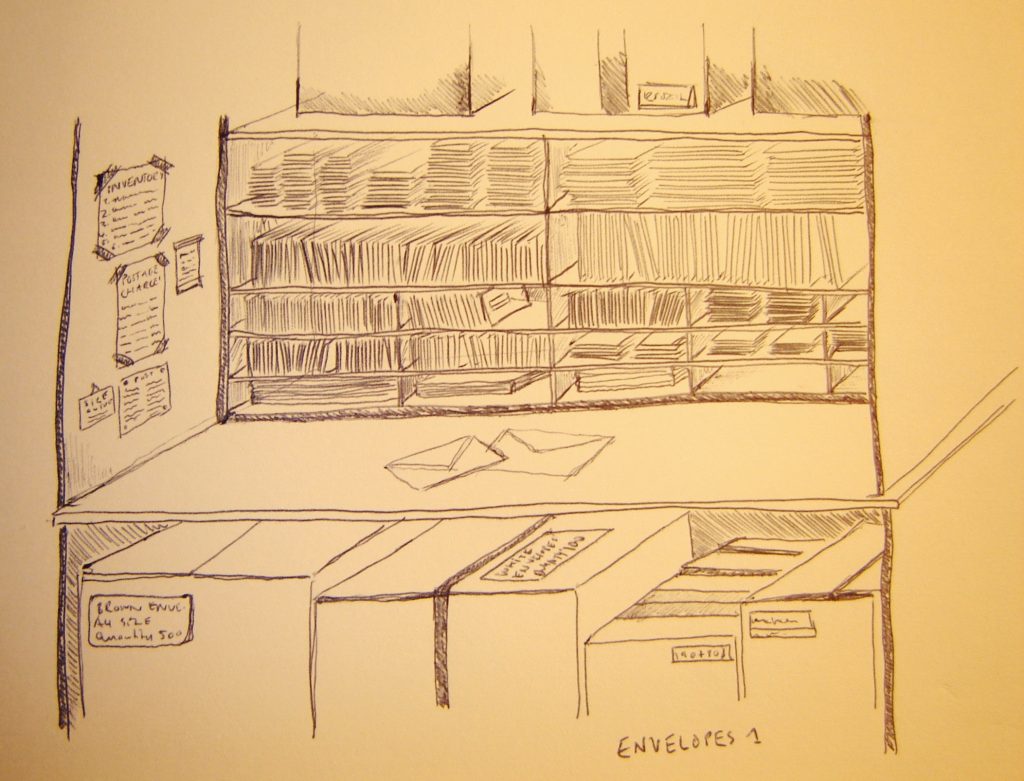
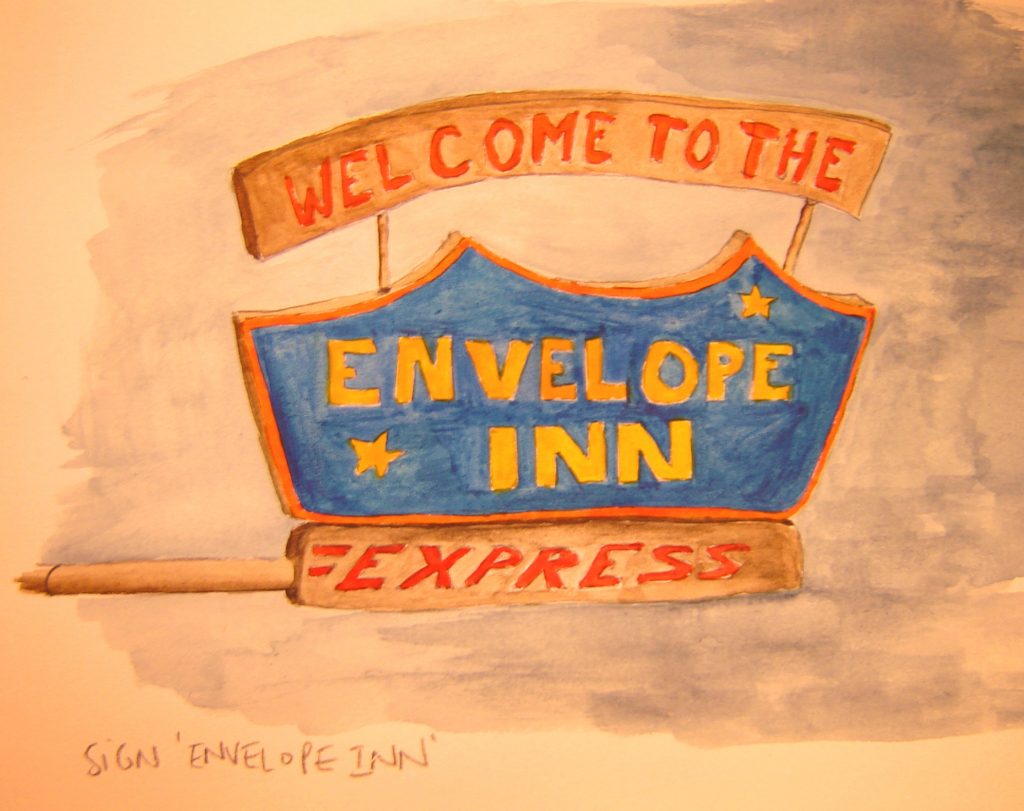
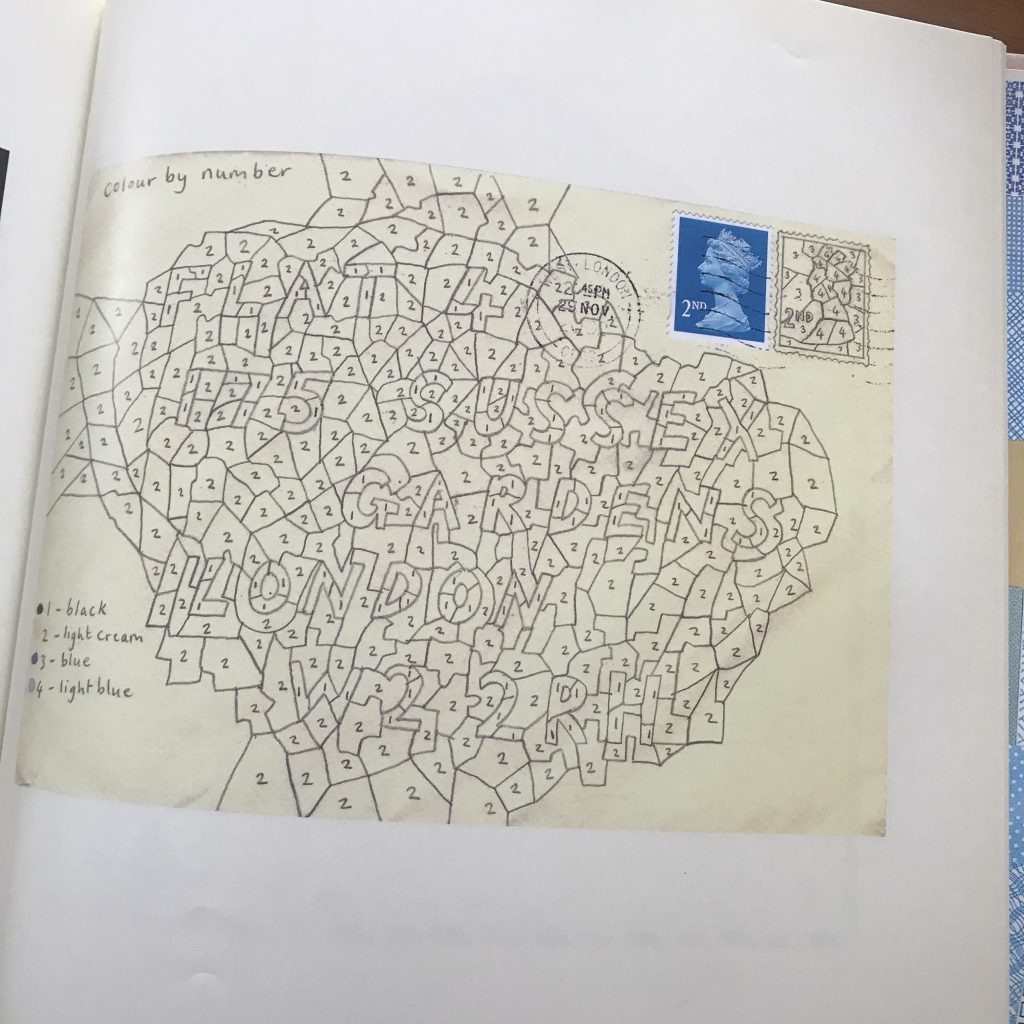
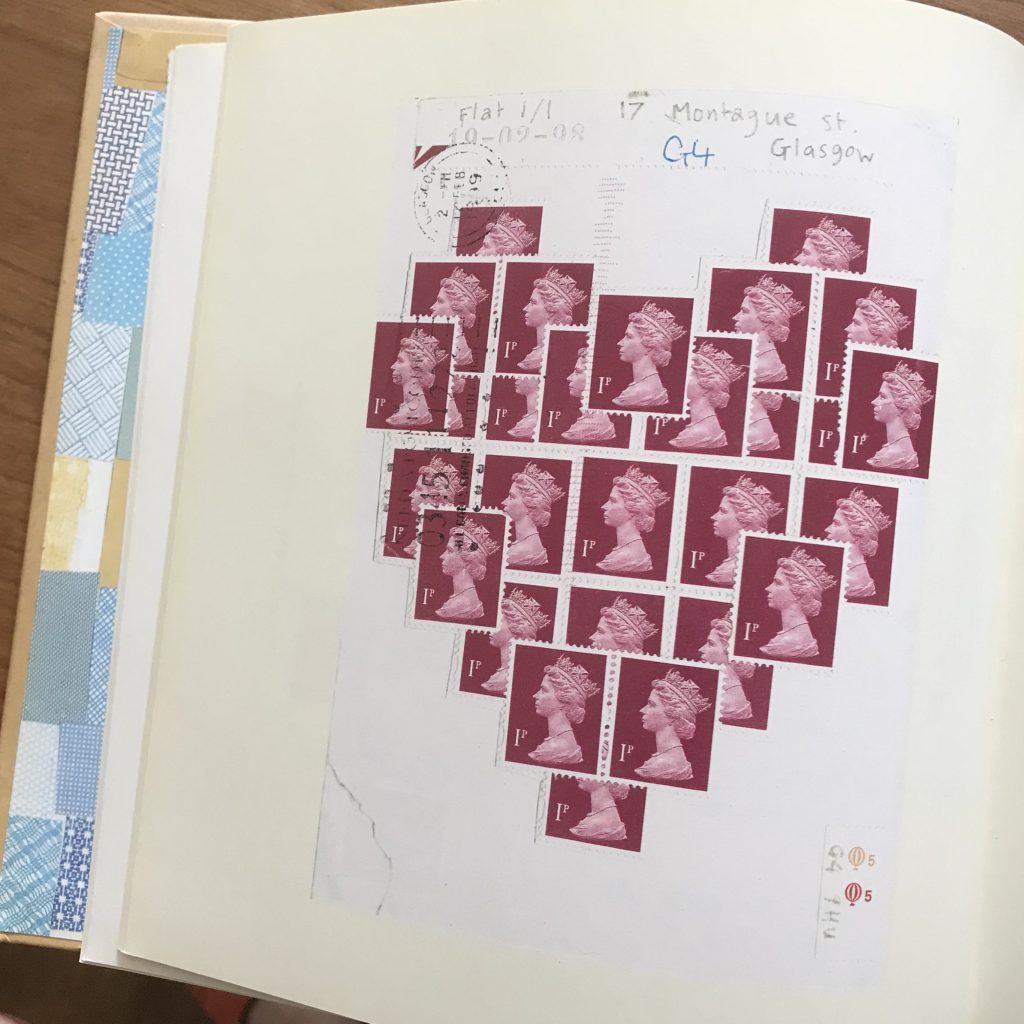
I have collected all kinds of stationary, envelopes and postcards for about three decades and recently I have returned to my habit of sending mail, sending letters more often. I collect books about it, I have folders of postcards that I started collecting in the 1990s, a few that I love, a few that are souvenirs, a few that are waiting for just the right moment, just the right person, just the right occasion to be sent.
Envelopes (sketch)
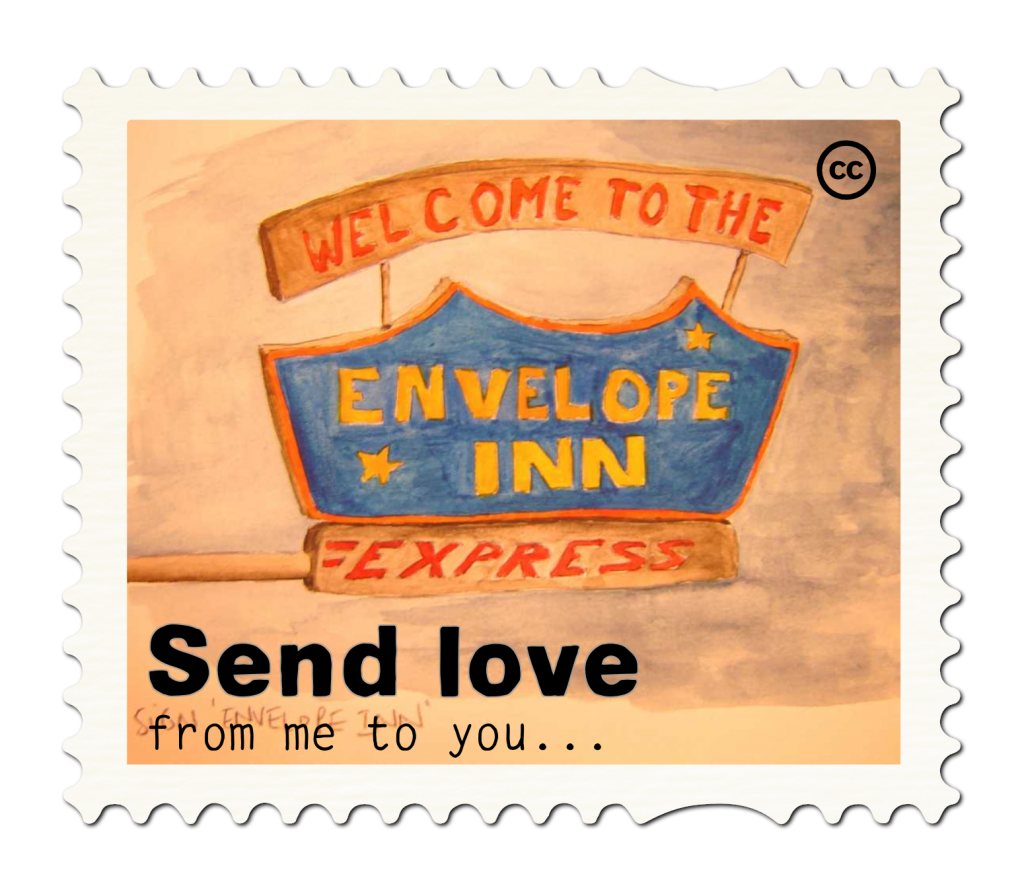
Welcome to the Envelope Inn
Envelopes (book cover)
Envelopes (book page)
Envelopes (book page)
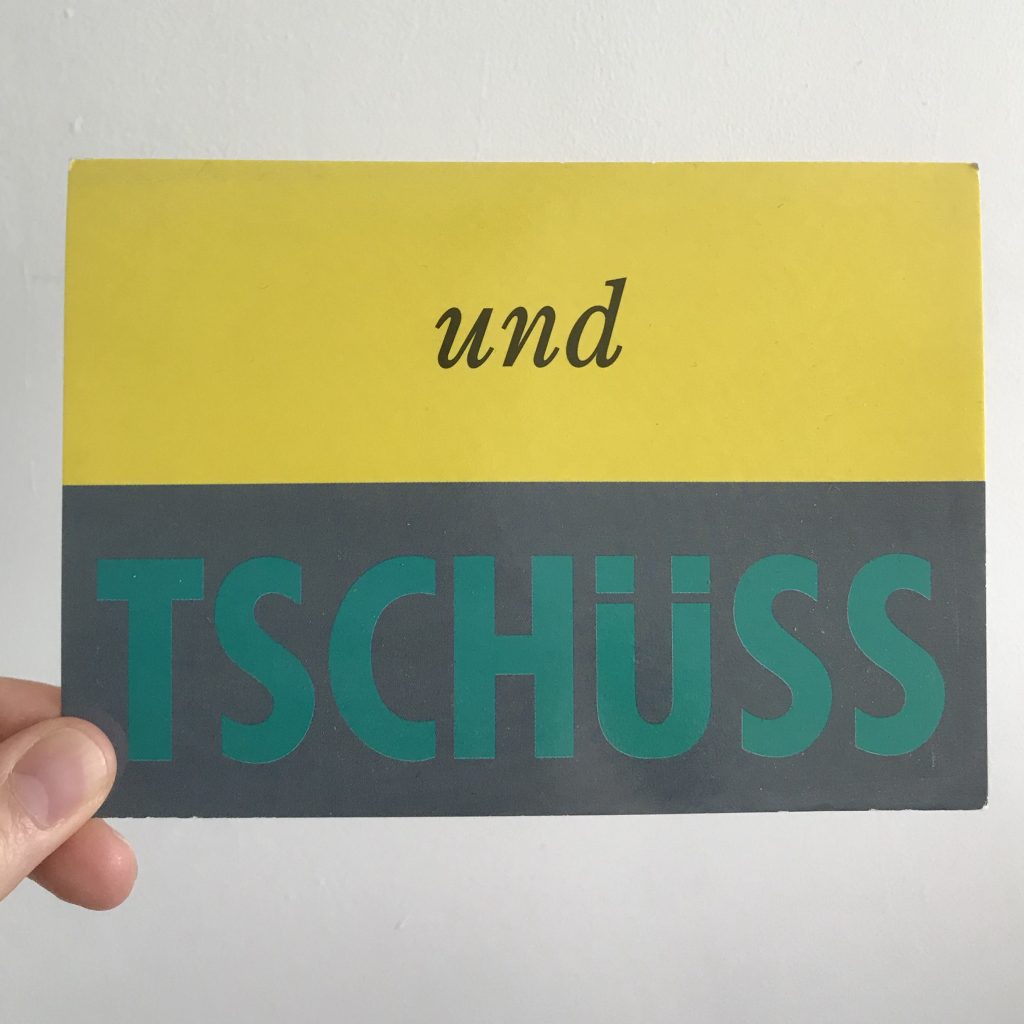
… und Tschuss (postcard)
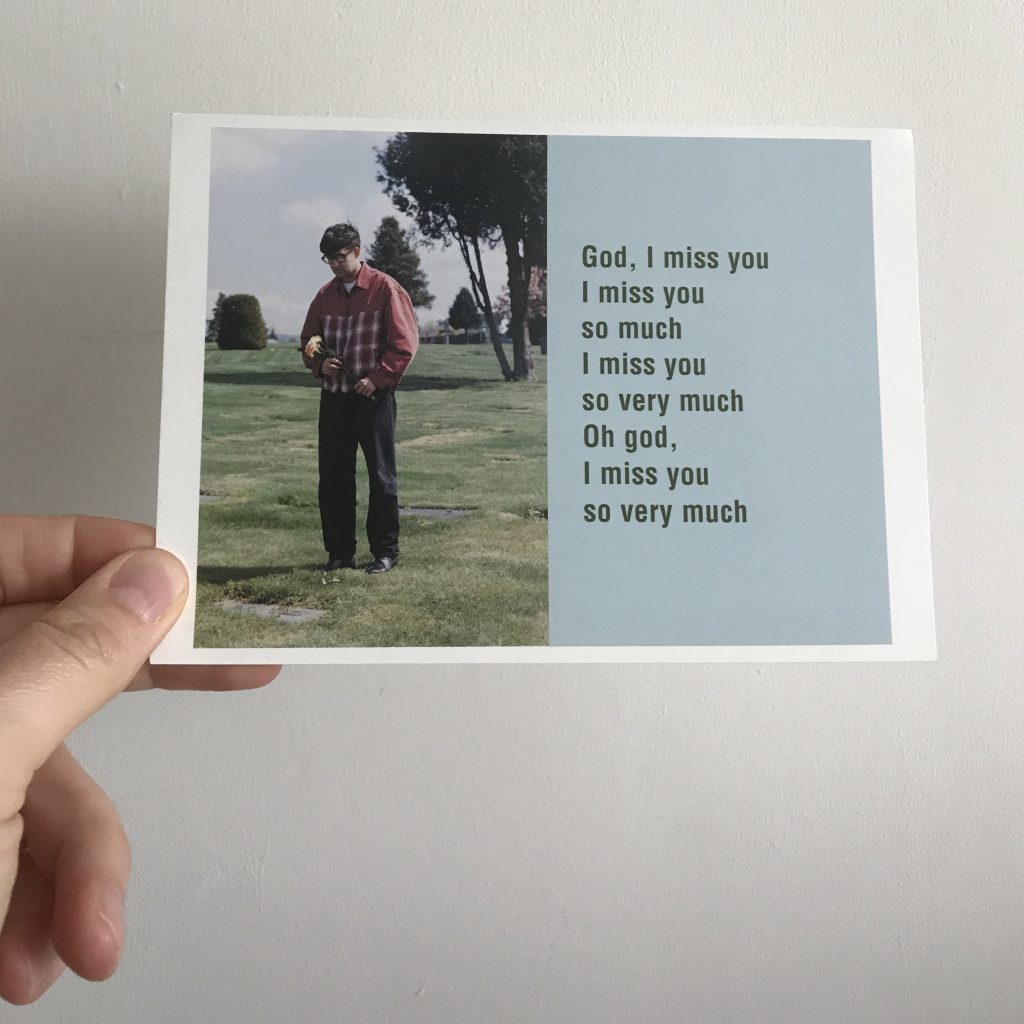
Miss you (postcard)
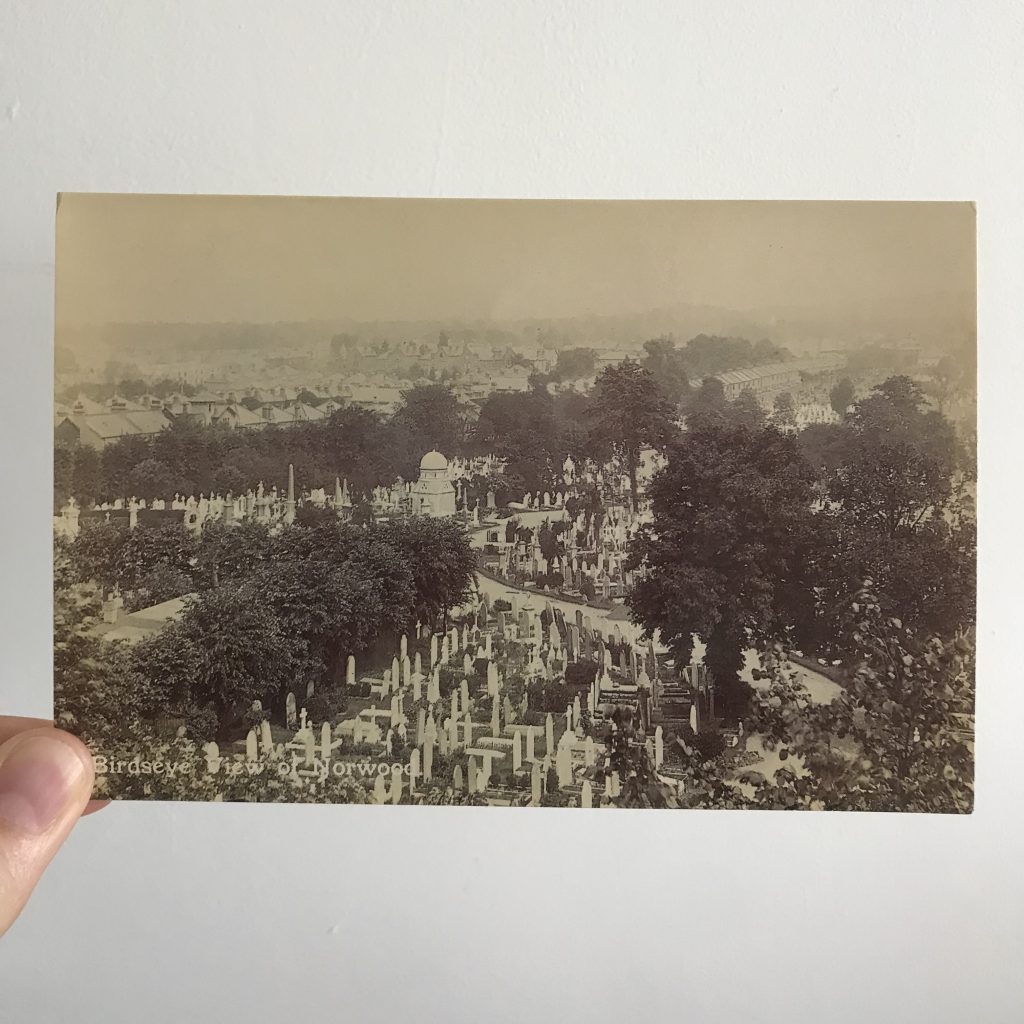
Norwood Cemetery (postcard)
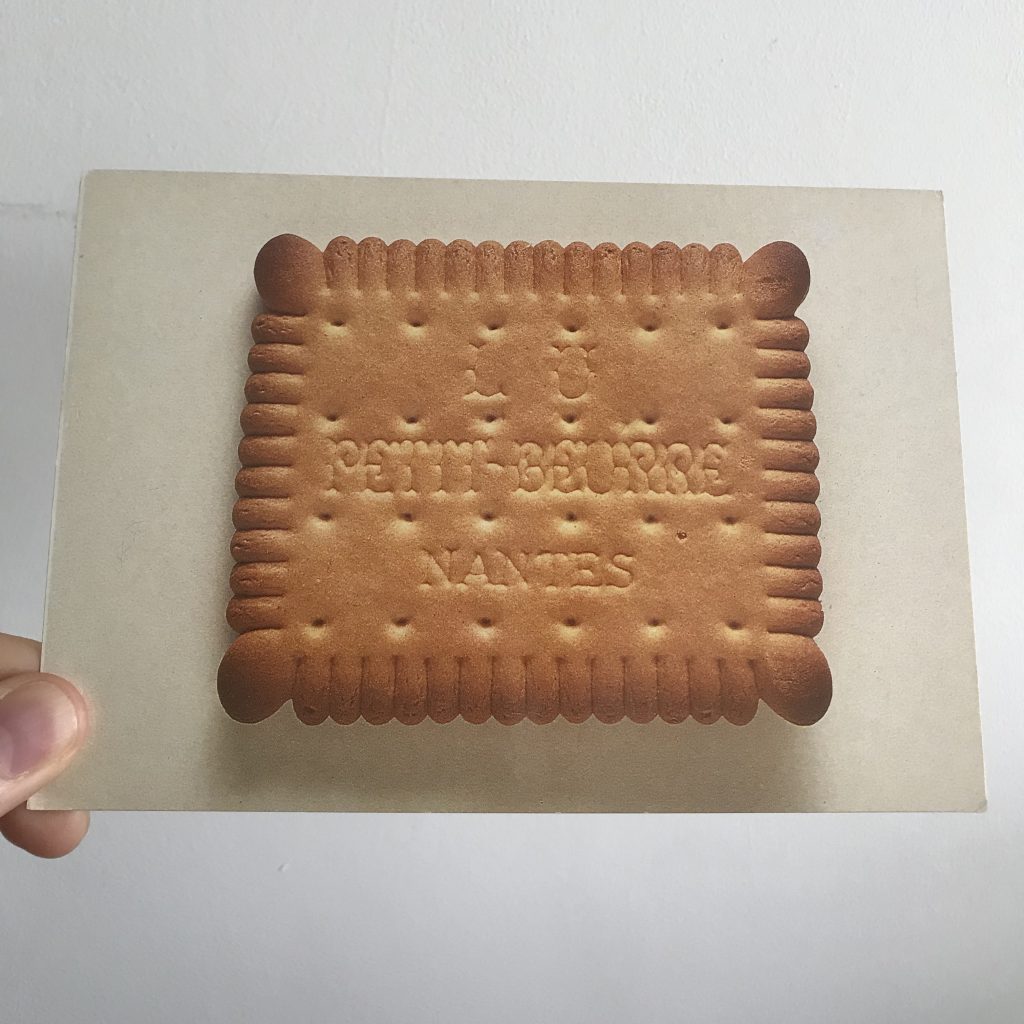
Biscuit (postcard)
The Cure (postcard)
Athens exhibition (postcards)
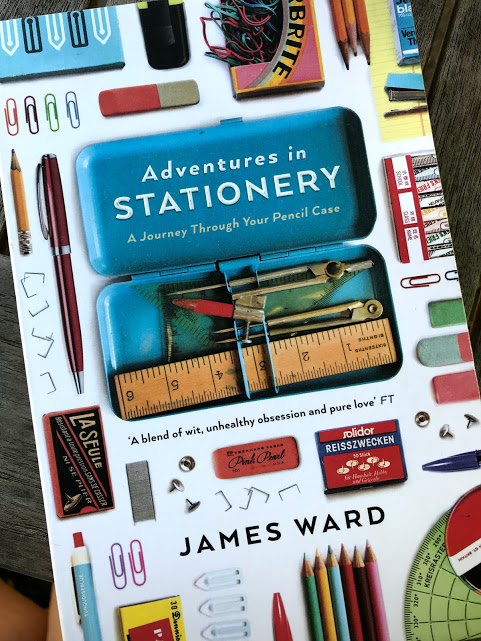
Adventures in Stationary (book cover)
And there is so much interesting history in the development of reading and writing tools, in the history of postal delivery, the postcard and the letter. In a world where handwritten messages, physical letters and postcards become rarer each year, it’s good to pause and reflect on the joy of these material things.
Nice to CC you by @visualthinkery is licenced under CC-BY-SA.
Hello and welcome to this month’s post on leading a virtual team. In this post (cross-posted here) the two of us, that is Martin Hawksey (@mhawksey) and Maren Deepwell (@marendeepwell), continue our series of openly sharing our approach to leadership.
If you are new here, you can catch up on earlier posts and podcasts or find out more about ALT, the organisation we work for as senior staff. We really appreciate comments and feedback and welcome questions or suggestions for future posts.
This time we touch base after both being on international duty for ALT and discuss how our use of social networks often gets blurred between personal and professional. We also think about the role of social media in virtual teams and how social media can be useful for bridging work and social lives, including the challenges this brings to striking the right balance.
June
Maren: I feel like I need to wave hello to start off this post, as the last month has involved a lot of travel for each of us and working together in different time zones and across continents has made our virtual team feel even more distributed. It’s rare for us to travel internationally as most of our work is in the UK, so this past month has been unusual in that we have both given keynotes in other communities, you spoke at Domains19 and I at the ETUG conference. One of the things my visit to a different conference and a new community made me reflect on is how much of my professional practice is about keeping connected. We have often talked about what we do to combat cabin fever or the loneliness of home working, but we haven’t talked much about all that we do to keep in touch and the networks we connect with or how important that is especially for remote workers like us.
Martin: As you mentioned we don’t get much opportunity for international travel and at Domains19 it was a great opportunity to meet a number of people I’ve been connected with for a long time but never met in person. Domains was quite a unique event for me in the fact that it’s probably the first event I’ve been to which overlapped two of my communities, EdTech and Google Apps Script. Events like Domains continue to be a very important way for me to make personal and professional connections, both old and new. There are a lot of benefits of being physically located in the same space but it’s also worth remembering that events like Domains end up being blurred temporally and spatially. In terms of time our communities will no doubt be familiar with how blogging provides opportunities before and after events to make connections and we’ve both blogged about Domains and ETUG. Spatially social media, live streaming and initiatives like VConnecting mean you can get part of a conference experience without physically being there. In the case of Domains there was also some telepresence with Bryan Mathers virtually attending as a Double:
Maren: I met a number of #femedtech activists in Canada whom I have been in contact with only via Twitter before now. I find that particular network is a useful way to expand my horizons and helps me make connections at events, too. Twitter is still my primary social network for work, and I had some interesting conversations with colleagues such as Clint Lalonde about how they manage the overlap between personal and professional lives. I don’t maintain separate profiles for work/non work stuff, but recently I have been more tempted to do so. I try to use different platforms for different aspects of my life but that isn’t really working. Whenever I meet someone new at a conference and they are on first name basis with my cat it’s clear that my work/private divide on social media is blurry at best. Also, being in a different time zone had a big impact on the social media feeds I follow. It gave me a new sense of momentum in a number of conversations I hadn’t followed closely before. I subscribe to some mailing lists and newsletters and there is a certain fellowship in discussing what’s been picked up in a recent edition of OLDaily for example. Blogs are my preferred way of keeping connected, both with what others are thinking about and sharing my own ideas. My blog, my domain, is a constant wherever I am, however distributed the work I do or the people I work with may be.
Martin: Similarly Twitter is my main social network but I’ve got a slightly different approach in that I limit personal posts. You’ll see the occasional tweet with a picture of my latest DIY project, runs I’ve completed but unless you know me as a friend or colleague I choose to never do things like mention my 11yo by name, say where I live or wish myself or other people happy birthday. My approach is in part informed by knowing how much data is shared in a tweet and the subsequent profiling that can be done by Twitter but also knowing anyone else with access to the data, aka everyone, can do something similar. Within our team we are the only two who tweet from a personal account about ALT. Something I hadn’t really considered before is in a virtual team setting following your personal account on Twitter is incredibly useful in terms of getting a sense of what is currently interesting you both personally and professionally as well as eavesdropping in on some of the conversations you are having with our community and beyond. There is a fine balance however and I often find I’m censoring myself and I’m always mindful that anything I share in the public domain could be used by someone else. I was recently reminded of this reading the BBC article on The firm with 900 staff and no office which highlights how the company Automatic has an international workforce and no permanent offices. As part of the news item the story features what looks like to me is a personal image taken by one of their staff of a team meet in Thailand. Whilst this is quite a benign example I’ve had friends who have had Twitter conversations become the basis of tabloid journalism.
Maren: I know what you mean. It is tricky to find a balance. I, too, try to stick with that rule never to post anything public that I would not want to see in the press. But the people I care about are so distributed, so many of my relationships, including with family, are mediated by social media in one way or another, that I would miss out on many important moments if I stopped posting anything personal anywhere. When it comes to immediate work colleagues, I ask permission: ‘do you want me to follow you’, ‘do you feel comfortable for me to ‘@‘ you’, ‘are you happy for our official account to mention you by name…’ those kind of questions I ask new colleagues. If I am not completely sure, I won’t post it and sometimes that makes my feeds a bit boring. Where it gets more tricky are social networks I use more for personal things like Instagram. So my Instagram bio for my private account reads: ‘Pictures of my cat, running, things I like. This is just my personal account – no work here :)’. Overall, and particularly on Twitter, I try to strike a balance to contribute as much as I gain by being part of the network and to share what I can that may be useful to others.. like this post! It’s a curated, carefully considered collaboration, sure, but it is also open leadership in practice and that in itself should speak volumes about what we value and how we work.
Next week is the week! Mum & I are going to complete 5k to mark a big family milestone – 3 years of mum being cancer free! Grateful to have another year we didn’t think we’d have together as a family & for all the care and kindness that got us here. https://t.co/tec8TNIf9jpic.twitter.com/MkfxVIK93p
We are raising money to say thank you and give back to those who have saved my mum’s life and give us more time together as a family. I started running for a Race for Life in 2016 when we were uncertain how much time we would have together. Since then, I’ve run many miles, and this year I’m participating in three half marathons, but this is the only race we are fundraising for as this marks a big milestone. We participate to share hope and support for everyone affected by cancer and to add our thanks for all the kindness we have met with. After a lot of illness this year we will won’t be setting any new mother & daughter PBs but we are going to participate and keep going 🙂
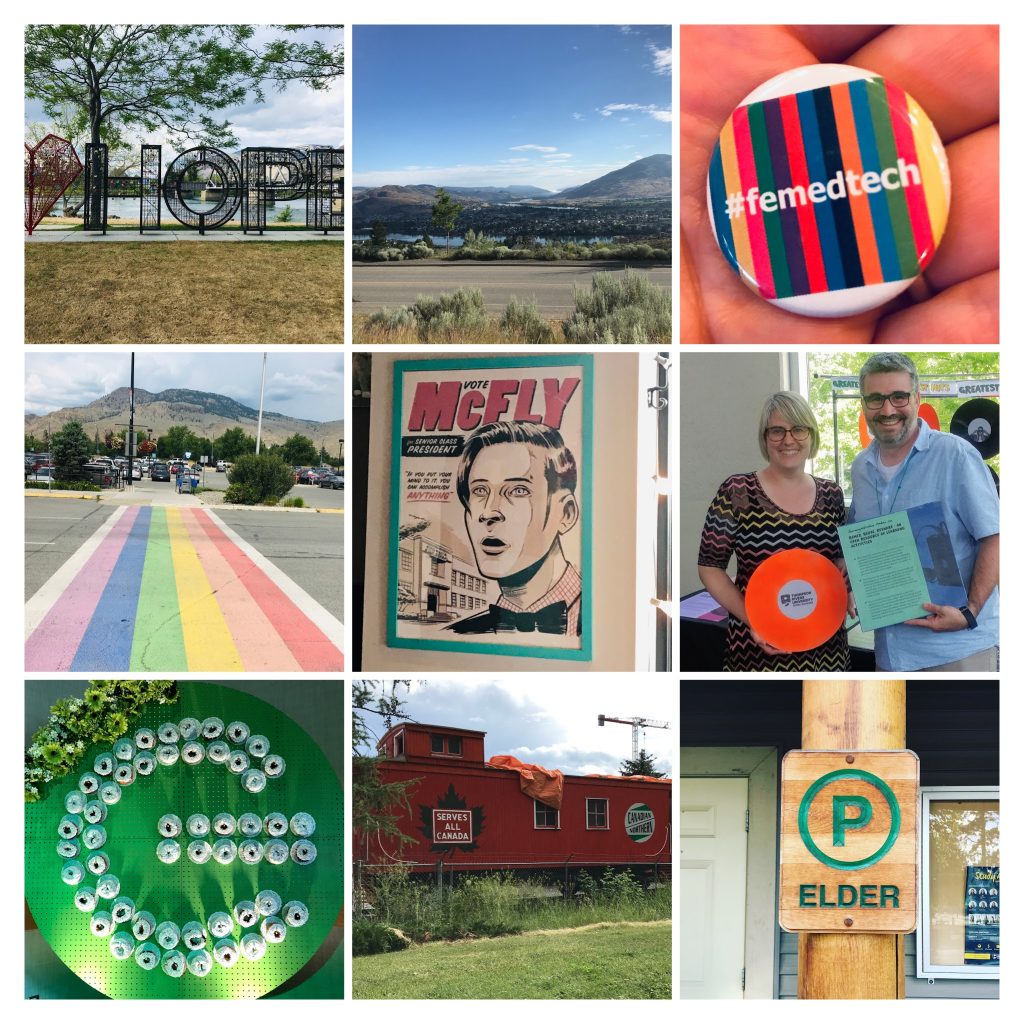
Last week I had the pleasure of participating in the ETUG conference in Kamloops, Canada. It was a real privilege for me to be there, to have been invited to contribute a keynote to ETUG’s 25th Anniversary Conference, and also to have the honour of taking part in National Indigenous Peoples Day. I learnt a lot from my time in Kamloops and I want to share a few reflections in this post:
The event had strong sessions about openness, including a great workshop on ‘Fostering a culture of openness: a work in progress’ which was about: “factors including institutional norms, leadership, relationships, humility and criticality that were identified as being instrumental in fostering a culture of openness at the school, faculty, and university levels. It will share the tensions and conceptual, practical and technical challenges experienced in developing a culture of openness in a higher education institution that to date has no formal institutional open education strategy or open policy in place” and I found the tool and questions we explored extremely helpful. It was a great session that resonated strongly with work explored at the OER19 conference in April.
Also on the theme of open education I really enjoyed Amanda Coolidge’s talk on ‘$3 million, now what?‘ in which Amanda talked about how on “on April 17, 2019 the Ministry of Advanced Education Skills and Training announced their continued commitment to open education with the funding of $3.26 million toward open education in British Columbia and then outlined what the strategy looks like for the next three years of open education development and disbursement.” Coming from a UK perspective, I found this really inspiring and much food for thought when working with policy makers here.
The day before the conference I was invited to take part in a workshop hosted by Brian Lamb around the work of the OpenETC project, which launched a collaborative WordPress platform, with hundreds of new users from institutions across the province. At the conference, this work was further explored in this session. Closely focused on education technology and collaboration, this project really chimes with a lot of priorities we have in the ALT community.
There were many more sessions I found inspiring including a wonderful presentation from Tony Bates, who was sharing findings from the annual survey of online and distance learning in Canadian post-secondary institutions (and whom I very much enjoyed meeting in person for the first time), an unforgettable Gasta session which included not only Clint Lalonde but also the musical John Churchley (whom you should immediately look up online), a presentation about the ETUG Community Survey and a very engaging session on LightBoards for teaching.
I felt very much at home at the ETUG conference because just like the ALT community it is all about collaboration, reflection and sharing of best practice. After 25 years of working together (celebrated with a great donut birthday cake) this community has come to hold dear very much the same values as I do, recognising the power of sharing practice and research and working together to make change happen for students and staff alike.
And you could tell that this event was very much organised with heart. Little touches everywhere made participants and speakers feel welcome from the start and created a space in which the moving narrative from Elder Mike on National Indigenous Peoples Day found an equally receptive audience as the newest members of the community sharing research findings or #femedtech conversations about equality and women in #edtech.
Many people contributed to making this conference happen and many helped ensure that I had such a great experience – I want to say a BIG thank you to each of you. I hope I can come back to ETUG another time to contribute and take part and continue to build a relationship with this community that has so much in common with us #altc.